
What Does 'Aesthetic' Actually Mean?
The word aesthetic gets tossed around constantly online, but for style beginners it can feel more confusing than clarifying. Simply put, your personal aesthetic is the consistent visual mood that runs through the way you dress and present yourself. It might show up in the colors you're drawn to, the silhouettes you keep reaching for, or the overall feeling an outfit gives you when you look in the mirror.
Here's the freeing part: your aesthetic doesn't need a name. You don't have to decide you're "cottagecore" or "minimalist" or anything else with a tidy social media hashtag. What matters is that your choices feel genuinely you — coherent, intentional, and comfortable.
Personal aesthetic
The consistent visual mood or theme that runs through the way you dress and present yourself — shaped by color, silhouette, texture, and overall feeling rather than trend.
Style archetype
A recognizable style category (such as classic, bohemian, or minimalist) that describes a cluster of related visual preferences and dressing habits.
Mood board
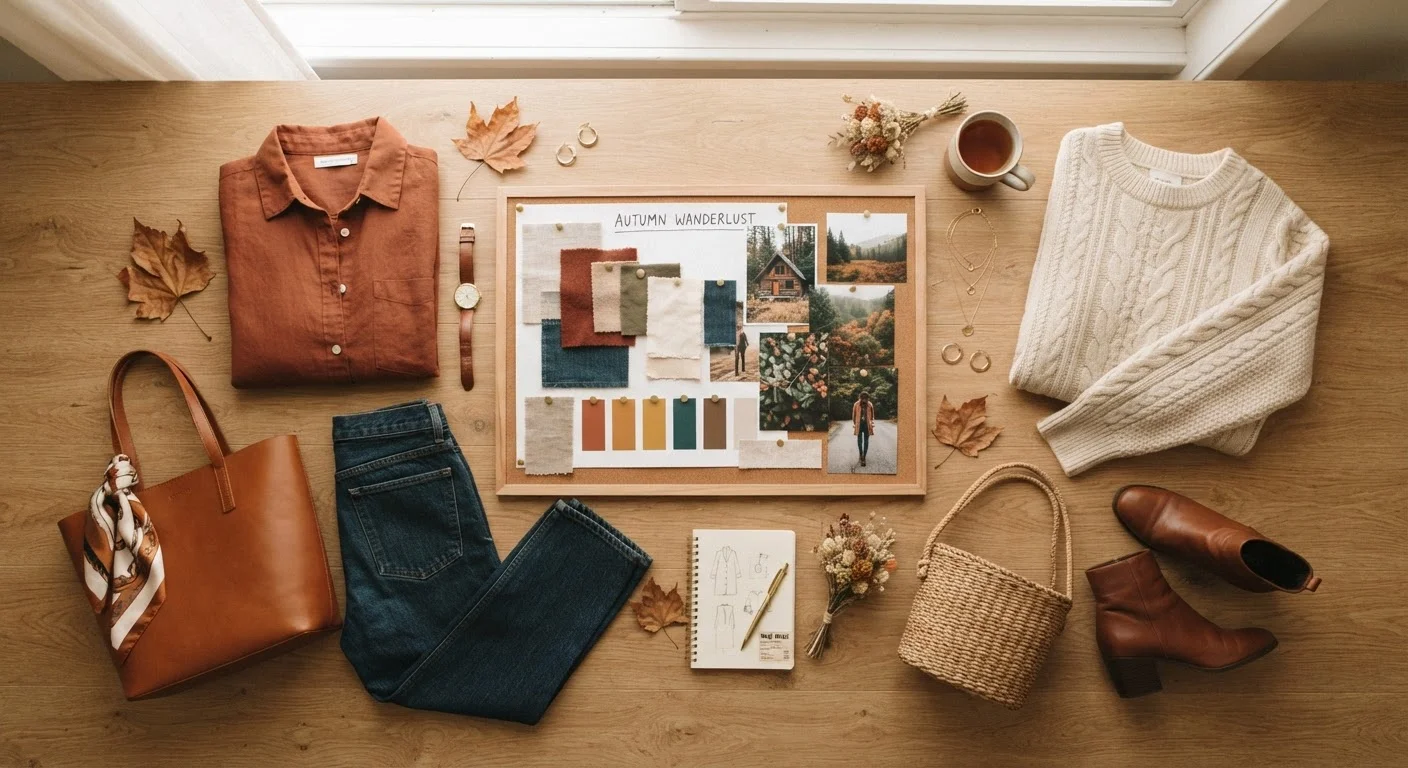
A collection of images, colors, and textures gathered to represent a desired visual feeling or direction — used in fashion and design as an inspiration reference.
Silhouette
The overall shape an outfit creates on the body — such as fitted, relaxed, A-line, or oversized — which is a major element of how a look reads at a glance.
Color palette
A set of colors that work together harmoniously; in personal style, it refers to the recurring hues and tones you tend to reach for across your wardrobe.
For a deeper look at the frameworks some people use, style archetypes can be a useful reference once you've started building your own instincts.
Gathering Inspiration Without Overwhelm
Before you touch your closet or your wallet, spend time collecting images that genuinely appeal to you. Use a saved folder on your phone, a private board, or a physical mood board — whatever feels natural. The key rule: save what you actually love, not what you think you should love.
Cast a wide net at first. Pull from street style, nature, interior design, film, art — not just fashion accounts. Style inspiration lives everywhere, and sourcing it broadly prevents you from accidentally just mirroring what's trending rather than what resonates with you personally.
Save Without Judging
When building your inspiration collection, resist the urge to edit as you go. Save anything that sparks a genuine reaction, even if you can't explain why. The pattern-finding comes later — and unexplained attraction to something is often your most honest signal.
Once you have 30 to 50 images, step back. You're not analyzing yet — just gathering raw material. This collection is your visual vocabulary, and it will do a lot of the hard work for you in the next stage.
Identifying Patterns in What You're Drawn To
Now comes the interesting part. Lay out your collected images — digitally or physically — and look for recurring themes. Ask yourself:
- Do certain colors or palettes keep appearing?
- Are the silhouettes mostly fitted, relaxed, structured, or flowy?
- Does the overall mood feel more polished, casual, dramatic, or understated?
- Are there textures — linen, denim, silk, knit — that show up repeatedly?
These patterns are your style instincts speaking clearly. You're not constructing a persona from scratch; you're recognizing one that was already forming. Color choices are often one of the strongest signals — pay special attention to them.
It's completely normal if your images feel a bit all over the place at first. Look for the feeling more than the specific items. "Effortless," "cozy," "striking," "relaxed" — those mood words often unite a collection that looks visually varied on the surface.
Connecting Your Style to Your Real Life
An aesthetic only works if it's livable. The most common beginner mistake is falling in love with a look that doesn't suit your actual daily routine. If you work outdoors, spend most days in motion, or live somewhere with extreme weather, those realities matter enormously.
Ask yourself honestly: What do I do most days? What environments am I in? What does "getting dressed" actually need to accomplish for me? Aspiring to a tailored office wardrobe when you work from home in a creative studio isn't wrong — but it may mean adapting that inspiration to fit reality rather than adopting it wholesale.
Aesthetic Discovery Isn't a Shopping Trigger
Finding your aesthetic can feel exciting enough to spark an immediate urge to buy — but pause before you do. Most people already own more starting material than they realize. Clarity should come before any new purchases, not the other way around.
This is also a good moment to acknowledge budget. Personal style isn't a spending project; it's a clarity project. Dressing with intention means working thoughtfully with what you have and adding deliberately — not buying everything that fits a mood board at once.
Your Next Steps as a Style Beginner
You now have a starting point: a sense of the visual mood you're drawn to and how it maps to your real life. The next moves are practical ones.
- Audit what you own. Before anything else, see what's already in your closet. Our style audit guide walks you through the process step by step.
- Note what you actually wear. The items you reach for automatically are already your aesthetic in action — they're your best clues.
- Identify one or two anchor pieces that feel most "you" and use those as a reference point when evaluating anything new.
From here, you can begin building a signature look without overhauling everything at once. Style is cumulative — each small, intentional choice adds up. And if you want the full picture, personal style from head to toe covers every dimension in depth when you're ready to go further.
Style Archetypes Explained
A useful breakdown of common style frameworks — from classic to eclectic — that can help you name and articulate the aesthetic direction you're already leaning toward.
The Style Audit Checklist
A structured guide for evaluating everything in your closet so you can spot what already aligns with your emerging aesthetic and identify genuine gaps.
Color Confidence Guide
An accessible look at how color palette shapes your overall appearance and how to identify the tones that work best within your developing personal style.