
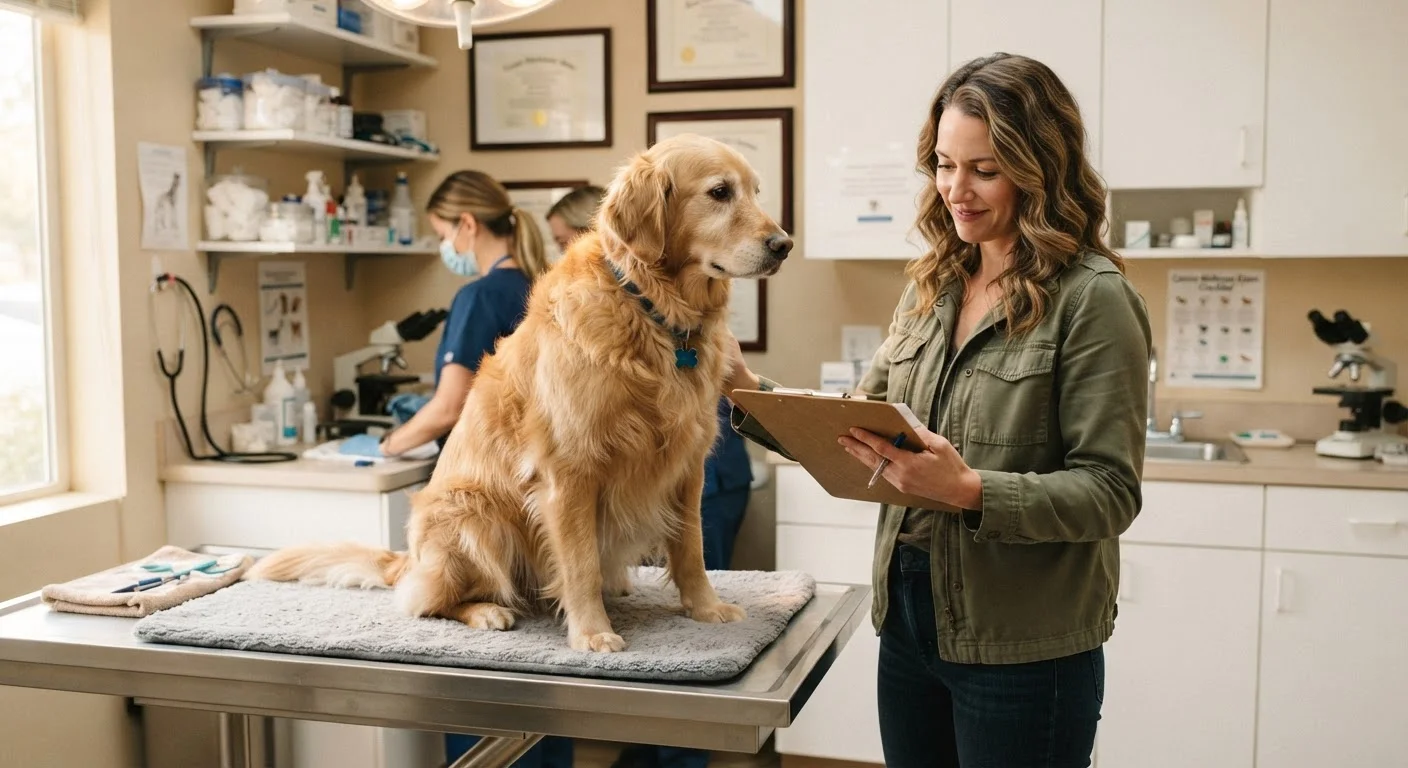
Why Home Monitoring Matters Between Annual Exams
Your annual vet visit is essential — but it covers a single snapshot in time. The other 364 days are largely up to you. Pets can't describe a headache or explain that their joints ache more than last month, which means subtle changes in weight, coat quality, energy, or appetite are easy to miss without a structured approach.
This checklist is designed to be used monthly or quarterly, depending on your pet's age and health history. Completing it consistently gives you a clear baseline — so when something shifts, you'll notice it early rather than in hindsight. For a deeper look at the daily habits that support long-term wellness, see our guide to home care habits vets recommend.
Weight & Body Condition
Coat, Skin & Eyes
Dental & Oral Health
Behavior & Energy
Mobility & Physical Comfort
Preventive Care Records
Tools You'll Use for This Checklist
You don't need a clinic's worth of equipment. Most of these checks rely on close observation and a few basic items you likely already own. Having them ready makes the process quicker and more consistent.
Bathroom or pet scale
Weigh your pet consistently at home; for large dogs, weigh yourself holding the pet then subtract your own weight.
Health log notebook or app
Record observations from each monthly check so you can track trends over time and share them with your vet.
Flashlight or penlight
Illuminate the ear canals, mouth, and skin for a closer look during coat and dental checks.
Vaccination and medication records
Keep a physical or digital folder of your pet's preventive care history to verify what's current and what's due.
Nail clippers or grinder (species-appropriate)
Trim nails if they have grown past the quick as part of the monthly physical check.
How to Use Your Findings Effectively
After each check, write down what you observed — even if everything looks normal. A running log is one of the most useful things you can bring to a vet appointment. It allows your veterinarian to compare current findings against what was typical for your pet months ago, rather than relying on memory.
Don't Wait If Something Feels Urgent
This checklist is a monitoring tool, not a substitute for professional evaluation. If you observe sudden weight loss, labored breathing, persistent vomiting or diarrhea, collapse, or extreme lethargy, contact your veterinarian or an emergency clinic immediately. Our article on when GI symptoms require emergency care can help you gauge urgency.
If your records reveal patterns — gradual weight loss over three months, recurring soft stools, or progressive coat thinning — share them with your vet as a timeline, not just a current concern. For a full picture of what normal looks like versus what warrants a call, the signs your pet is thriving guide is a helpful companion resource.
Dental health, in particular, is easy to overlook at home. Periodontal disease affects the majority of adult pets and can have effects well beyond the mouth. Our article on dental disease in pets explains how it progresses and what prevention actually involves. Similarly, parasite prevention requires year-round attention — not just warm-weather checks. See parasite prevention year-round for a full breakdown of each threat.
Senior Pets Need More Frequent Checks
Dogs and cats are generally considered seniors at around seven years of age, though this varies by species and breed size. Age-related conditions — including joint disease, cognitive changes, and organ function decline — can progress quickly. Many veterinarians recommend bi-annual wellness exams for senior pets rather than annual ones. If your pet is entering their later years, review our guide to senior animal care alongside this checklist.
This article is for general informational purposes only and is not a substitute for professional veterinary advice. Always consult a licensed veterinarian for concerns about your pet's health.