
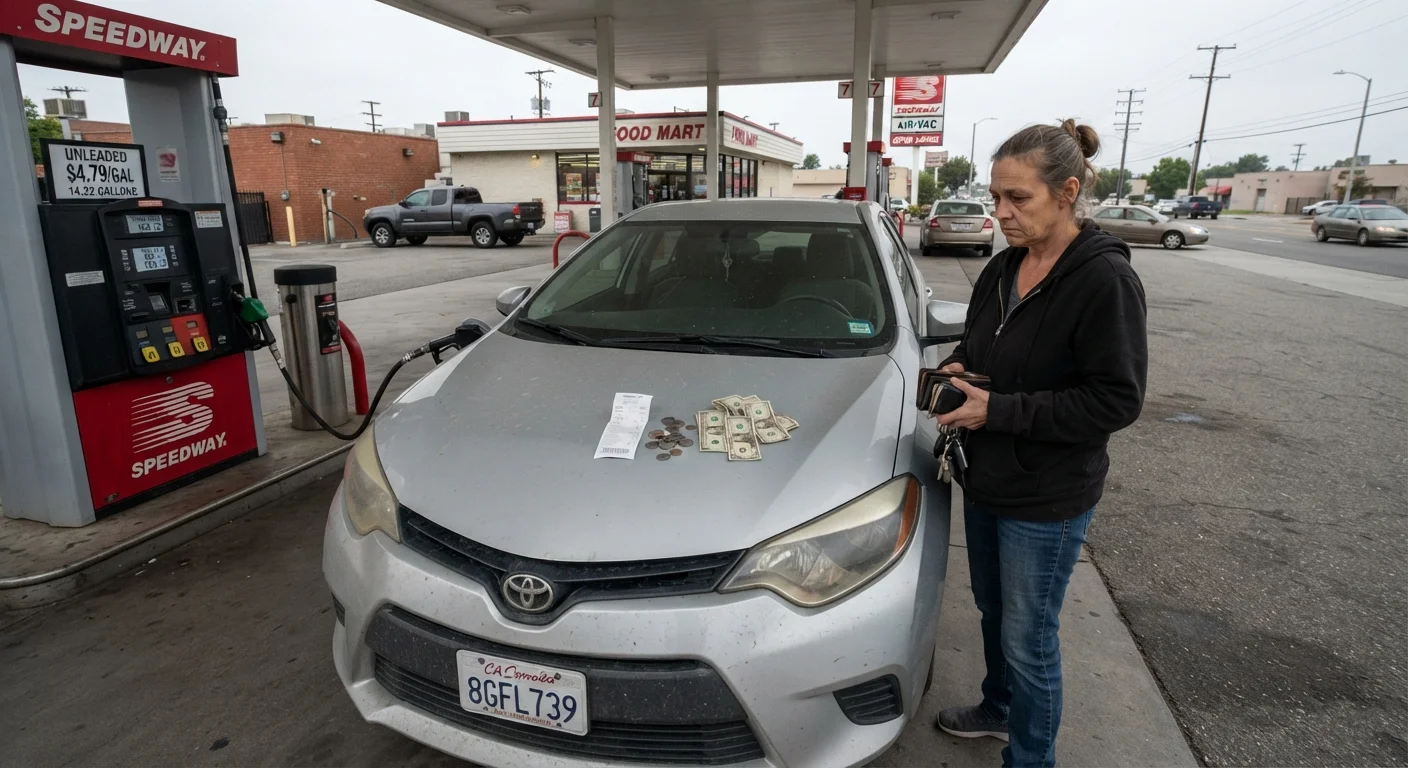
The Gap Between What You Pay and What You Spend
Most people think about car ownership in terms of the monthly payment. That's understandable - it's the most visible number. But the payment covers only the purchase price (and interest). The true annual cost of owning a vehicle includes a roster of recurring expenses that many drivers don't fully account for until they're already in the thick of them.
According to data published by the American Automobile Association (AAA), the average annual cost to own and operate a new vehicle has exceeded $10,000 in recent years when all cost categories are combined. That's a meaningful household budget line, and it affects used vehicle owners too - just in different proportions. Understanding what makes up that number is the first step toward planning for it. See our complete overview of car ownership for a broader look at everything involved.
Depreciation
Depreciation is the loss in a vehicle's market value over time, and it's consistently the largest single cost of ownership - yet it's invisible on any monthly statement. A new car can lose a significant portion of its value in the first few years. Even used vehicles depreciate, just more gradually. When you eventually sell or trade in, that gap between what you paid and what you receive is a real, realized cost.
Depreciation rates vary considerably by make, model, and market conditions, which is one reason vehicle selection - not just price - matters to long-term ownership cost.
Depreciation is the largest ownership cost most drivers never see coming.
Fuel
Fuel is the cost drivers notice most often, since they experience it at the pump every week or two. Annual fuel spending depends on three variables: how many miles you drive, your vehicle's fuel economy rating, and local gas prices - all of which fluctuate. Drivers who commute long distances or live in areas with higher fuel prices can spend substantially more than the national average.
Choosing a vehicle with better fuel economy, or one that runs on a less expensive fuel type, can produce meaningful savings over several years of ownership.
Annual fuel costs vary widely based on your mileage, vehicle, and local prices.
Auto Insurance
Auto insurance is legally required in nearly every U.S. state, and premiums are set based on factors including your driving history, location, age, vehicle type, and the coverage levels you choose. Many drivers underestimate how much coverage can cost, particularly for newer or higher-value vehicles where comprehensive and collision coverage is either required by a lender or sensible to carry.
Premiums can change at renewal based on claims history, local market conditions, and state regulatory changes - so what you pay in year one may not hold in year three. This article provides general information only; actual premiums depend on your individual profile and your insurer's underwriting criteria.
Insurance premiums can shift at every renewal - don't budget assuming the rate stays fixed.
Registration, Taxes, and Fees
Annual vehicle registration is required in every state, and costs vary significantly depending on where you live, the age of your vehicle, and its value. Some states charge a flat fee; others calculate registration costs based on the vehicle's weight, value, or model year. Many states also require periodic emissions or safety inspections that carry their own fees.
These costs are non-negotiable and recurring - they belong in any realistic annual ownership budget.
Registration and inspection fees vary by state and recur every year without exception.
Routine Maintenance
Oil changes, tire rotations, air filter replacements, brake inspections - routine maintenance is easy to defer, but deferring it typically leads to more expensive repairs later. Following the manufacturer's recommended maintenance schedule is the most cost-effective approach over the life of a vehicle.
Annual maintenance costs increase as vehicles age and accumulate mileage. Drivers who buy older vehicles at a lower purchase price often find that maintenance and repair costs offset some of the upfront savings. Knowing how to monitor your own vehicle between service visits - such as checking fluid levels - can help you catch problems early. Our guide on fluid levels every driver should know how to check is a practical starting point.
Skipping routine maintenance trades a small cost today for a larger repair bill later.
Tires
Tires are a periodic but significant expense that many drivers forget to budget for. A set of four replacement tires - depending on vehicle type and tire grade - can run from a few hundred to over a thousand dollars, and most tires need replacement every four to six years or after a certain number of miles, whichever comes first. Seasonal tire sets, used in regions with heavy winter driving, double the expense further.
Proper inflation and regular rotation extend tire life, making these small maintenance steps genuinely cost-effective.
A full tire replacement can cost more than a year's worth of oil changes combined.
Financing Interest
Drivers who finance their vehicle pay more than the sticker price - sometimes significantly more - once interest is factored in over the loan term. The total interest paid depends on the loan amount, interest rate, and repayment period. Longer loan terms lower the monthly payment but increase the total cost of the vehicle. This is a straightforward mathematical reality that's easy to overlook when focusing on the monthly number.
Understanding total loan cost - not just monthly payment - is an important part of evaluating what a vehicle actually costs you. Our article on why first-time car buyers overpay covers this and other common missteps in detail.
Longer loan terms reduce monthly payments but increase the total amount you pay for the car.
Building Ownership Into Your Budget
None of these costs are surprises once you know they exist - the problem is that most buyers calculate affordability based on the purchase price alone. A smarter approach is to estimate your total annual cost before you buy, factoring in the vehicle's fuel economy, insurance category, expected depreciation curve, and typical maintenance schedule.
Estimate the Full Cost Before You Commit
Before finalizing a vehicle purchase, tally all anticipated annual costs - not just the monthly payment. Include estimated fuel, insurance, registration, maintenance, and interest charges. This gives you a realistic picture of what the vehicle will cost to own, not just to buy. If the total strains your budget, a different vehicle or a larger down payment may make more sense.
If you're evaluating whether a car genuinely fits your finances, the Budgeting Basics hub offers straightforward frameworks for tracking recurring expenses. And if carrying a car loan alongside other debt concerns you, the Saving & Debt hub covers strategies for managing both. It's also worth reading about common car ownership myths that cost drivers money - some widely held assumptions can quietly inflate what you spend each year.
This article is for general informational purposes only and does not constitute financial or insurance advice. Costs vary by vehicle, location, driving habits, and individual circumstances. Consult a licensed financial professional for guidance specific to your situation.