
Why What You Do at Home Matters as Much as Vet Visits
Veterinary appointments are essential — but they represent a few hours per year. Everything else happens at home, in daily feeding routines, weekly grooming sessions, and the quiet observations you make over morning walks. That everyday attention is where long-term health is either built or eroded.
Vets consistently report that the pets with the best health outcomes over time tend to have owners who are engaged, observant, and consistent — not necessarily owners with the most resources, but those who show up reliably in small ways. This article outlines the habits that veterinary professionals say matter most, and why each one earns its place on the list.
For a broader look at what to monitor between appointments, the Annual Pet Health Checklist is a practical companion resource. And if you've absorbed some well-meaning but inaccurate advice over the years, it's worth checking whether any common pet health myths have shaped your current routine.
Core Habits That Veterinary Professionals Recommend
The following practices are grounded in veterinary guidance and animal health research. They apply broadly to dogs and cats across most life stages, though individual needs vary — always discuss your specific pet's circumstances with your veterinarian.
Weigh your pet monthly and track the trend, not just the number.
Body weight is one of the most sensitive early indicators of underlying health changes — from thyroid dysfunction to dental pain affecting appetite. A single weight means little; a trend over time tells a meaningful story. Obesity is a leading contributor to joint disease, diabetes, and shortened lifespan in companion animals.
Brush your pet's teeth daily, or as often as your schedule realistically allows.
Periodontal disease is the most common clinical condition seen in adult dogs and cats. Bacteria from infected gums can enter the bloodstream and affect the heart, kidneys, and liver over time. Daily brushing is the gold standard; even three to four sessions per week meaningfully reduces plaque accumulation compared to no brushing at all.
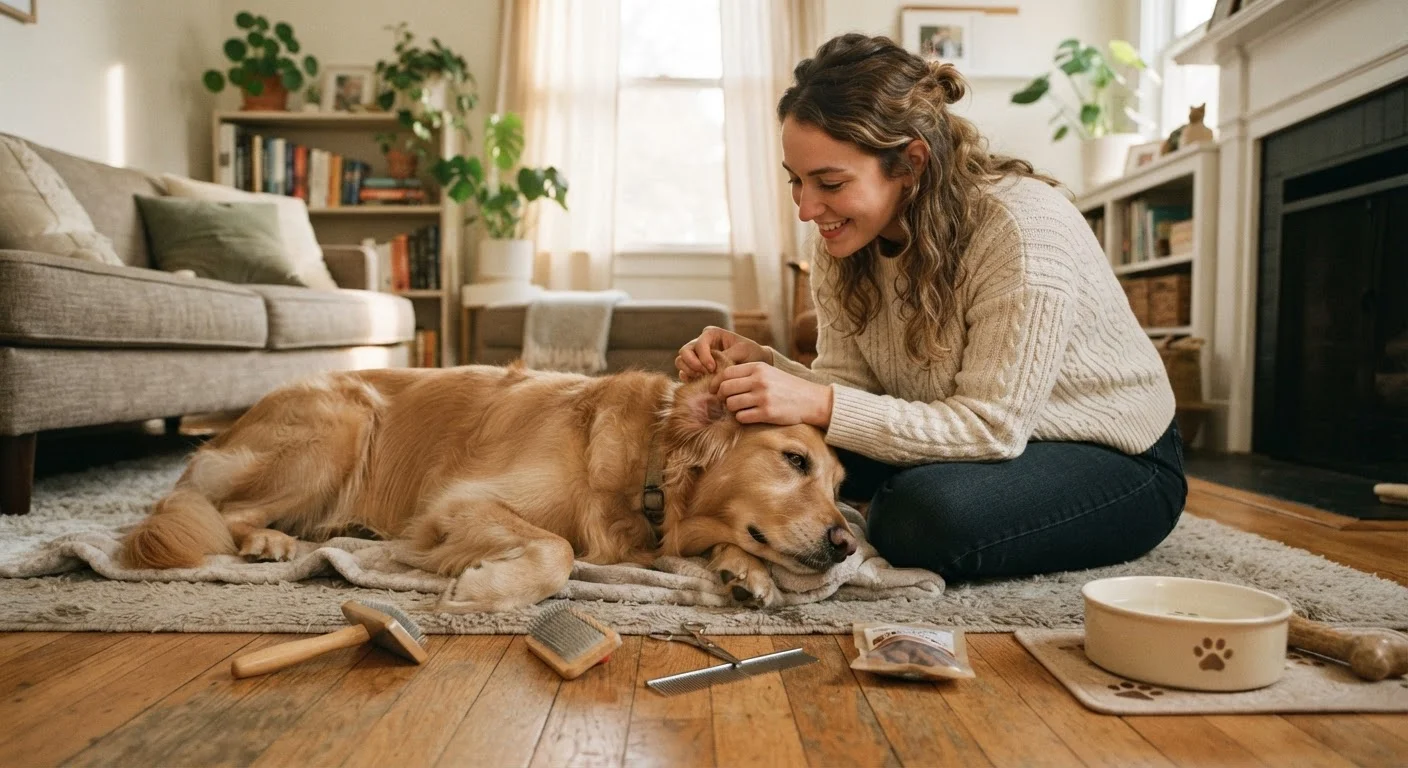
Observe your pet's body, coat, eyes, and ears weekly during a brief hands-on check.
Owners who handle their pets regularly are far more likely to catch lumps, skin changes, ear odor, or eye discharge early, when options for treatment are typically broader. This routine also desensitizes pets to being handled, making veterinary exams less stressful for everyone.
Feed measured portions based on your pet's target healthy weight, not their appetite.
Free-feeding and oversized portions are primary drivers of pet obesity. Most feeding guides on commercial pet food are calibrated for relatively active animals and may overestimate the needs of sedentary or indoor pets. Measuring meals and adjusting based on body condition, not the bowl, keeps weight in a healthy range across all life stages.
Provide species-appropriate mental enrichment every day.
Chronic boredom and under-stimulation contribute to anxiety, destructive behavior, and stress-related physical symptoms in companion animals. Mental engagement — whether through puzzle feeders, scent work, or structured play — supports cognitive health, reduces cortisol, and improves behavioral stability.
Maintain a consistent parasite prevention schedule year-round.
Fleas, ticks, heartworm, and intestinal parasites cause direct harm and can also transmit secondary diseases to pets and, in some cases, to people in the household. Many parasites are present in environments year-round in much of the U.S., making seasonal-only prevention insufficient for many regions.
Start Here: Quick Wins You Can Act on Today
Not every improvement requires a new routine from scratch. Several of the highest-impact changes take fewer than five minutes to implement and build momentum toward the larger habits above.
Once these small steps feel automatic, layering in more structured habits — like a monthly body-condition check or a consistent enrichment schedule — becomes far easier. For guidance on building lasting behavior change, see our article on small wins that lead to big pet behavior change.
Tracking Changes Over Time
One of the most underused tools available to pet owners is a simple written log. When your vet asks whether your pet has been drinking more water than usual, or whether the limping started last week or last month, a brief record is far more reliable than memory alone.
What to Record and How Often
A useful pet health log doesn't need to be comprehensive to be valuable. Focus on the basics: current weight (monthly), appetite and water intake (note any significant changes), stool and urinary patterns, energy level, and any physical changes you notice during weekly checks. Even brief notes made three to four times a month give your vet a much clearer picture than a general "seems fine" or "not quite right."
Tracking doesn't need to be elaborate. A notes app on your phone, a small notebook on the fridge, or a basic spreadsheet can capture weight, appetite changes, stool consistency, and any unusual behaviors. Over months and years, this record becomes genuinely useful — both for your vet and for you.
This habit pairs naturally with understanding what signs indicate your pet is thriving versus struggling. Knowing the normal baseline makes it much easier to recognize when something has shifted.
“The single most valuable thing an owner can bring to a veterinary appointment is a clear, honest account of what they've observed at home over the past weeks and months. That history shapes diagnosis more than almost anything else we can do in the exam room.”
— American Veterinary Medical Association, Professional guidance on client communication in companion animal practice
As pets age, the value of these records grows even further. Owners of senior animals will find that a documented health history becomes particularly important — explore what shifts when your pet enters their later years in our guide on keeping an older pet comfortable.
This article is for general informational purposes only and does not constitute veterinary or medical advice. Always consult a licensed veterinarian regarding your individual pet's health needs.