
Why Starting Over Is Rarely the Answer
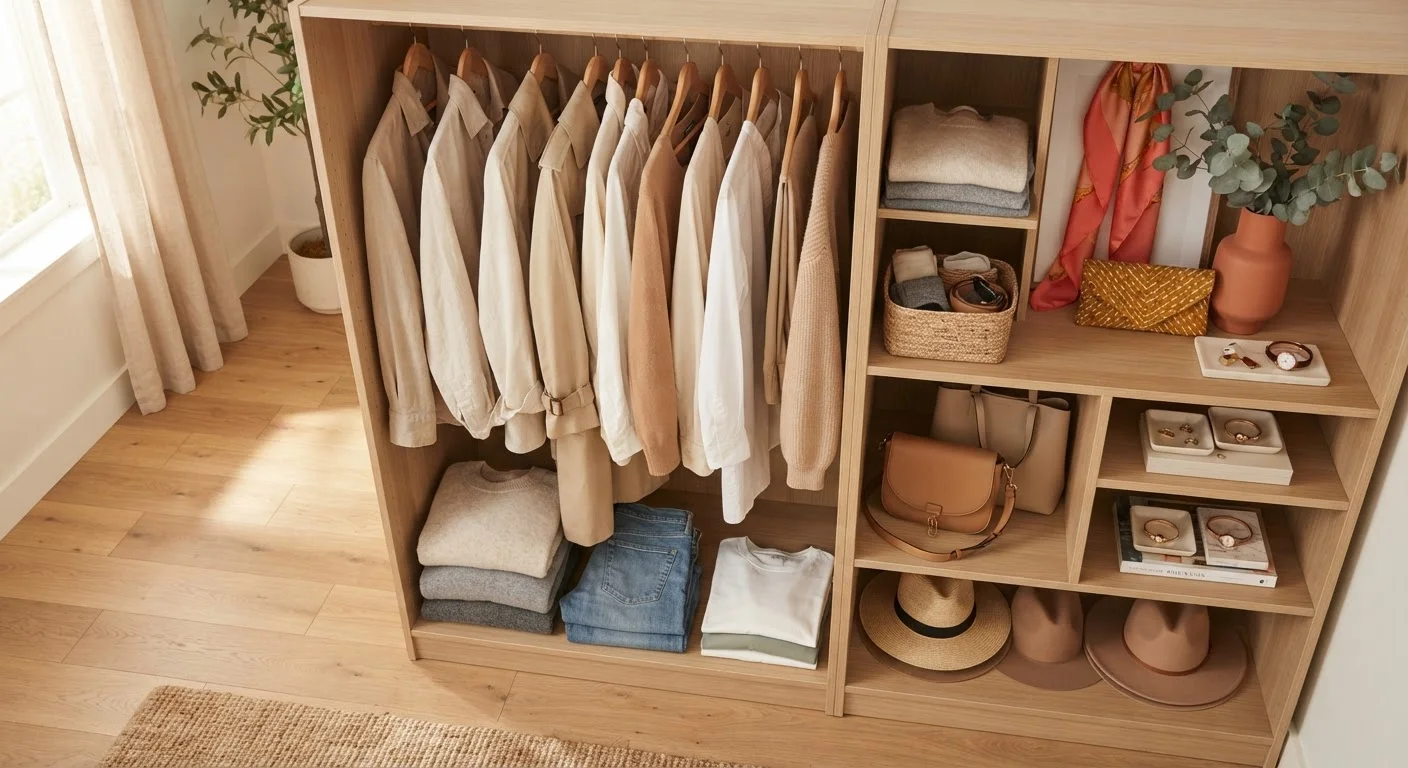
The pressure to completely reinvent your wardrobe is real — fed by seasonal trend cycles, social media aesthetics, and the general sense that a 'new you' requires entirely new clothes. But that logic rarely holds up in practice. Most of us have more style material to work with than we realize; it's just not organized or named yet.
Building a signature look is really a process of clarification: figuring out what you already love, understanding why it works, and making small, intentional additions that strengthen the through-line. For a comprehensive view of every dimension involved — from fit to accessories to context — the complete personal style framework is worth bookmarking alongside this guide.
Avoid the 'Blank Slate' Trap
The idea that you need to purge everything and start fresh is one of the most common style myths — and one of the most expensive. A full closet overhaul often leads to decision fatigue and buyer's remorse, not a better wardrobe. Work with what you have first; gaps will reveal themselves naturally.
The steps below are designed to be low-pressure and budget-friendly. You'll need these to get started:
What you will need
The Step-by-Step Process
Follow these steps in order the first time through. After that, you can revisit any single step whenever your style feels like it needs a reset or refresh.
Your Closet Already Has Answers
Most people have a signature look buried in their wardrobe — they just haven't named it yet. Before buying anything new, spend real time with what you own. The patterns you discover are more reliable than any style quiz or trend report.
Audit what you actually reach for
Pull out every item you've worn in the past month. Lay them out together and look for patterns — similar colors, silhouettes, fabrics, or vibes. These are your real preferences, not the idealized version of yourself that bought that sequined blazer once.
Make two piles: pieces you genuinely love wearing and pieces you keep passing over. The first pile is the foundation of your signature look.
Name the patterns you see
Look at your 'love it' pile and write down three to five descriptive words — not brand names or trends, but adjectives. Think: relaxed, structured, earthy, minimal, bold, layered. These words become your personal style vocabulary.
If you're struggling, consider the clothes that generate compliments. What do those pieces have in common? That's your starting signal.
Define a working color palette
From your favorite pieces, identify the colors that appear most often. Aim for three to five tones: typically two neutrals, one or two mid-tones, and one accent. When most of your wardrobe shares a palette, getting dressed becomes dramatically easier and outfits feel more intentional.
Understanding how palette shapes your look is a great next step if you want to go deeper into color selection.
Identify your signature silhouette
Silhouette — the overall shape your outfit creates — is the structural backbone of personal style. Do you gravitate toward streamlined and fitted? Loose and relaxed on top with structure below? Tailored throughout? Pick one or two silhouette combinations you feel best in and lean into them consistently.
Consistency here doesn't mean wearing the same outfit. It means creating a recognizable visual throughline that makes everything you wear feel cohesive.
Identify and fill one genuine gap
Now that you know your palette and silhouette, scan your 'love it' pile for what's missing. Is there a neutral layer you always wish you had? A pair of shoes that would bridge most of your looks? One gap — not ten.
If budget is a consideration, the work-to-weekend wardrobe guide offers solid thinking on choosing versatile pieces that pull double duty.
Wear it consistently and adjust
Style is developed through repetition, not revelation. Wear your defined palette and silhouette for two to four weeks before tweaking anything. Pay attention to what feels easy and what still feels off. Small adjustments over time are far more effective than dramatic reinventions.
For a fuller picture of how this evolves throughout life, see how style priorities shift over a lifetime.
Browse more everyday fashion tips and wardrobe ideas to keep building on the foundation you've created here.
Style Confidence Is Built, Not Born
There is no single 'right' aesthetic, body type, or budget that produces good personal style. Every step in this process is designed to work with your actual life, not an aspirational version of it. Move at your own pace and trust that clarity builds gradually.