
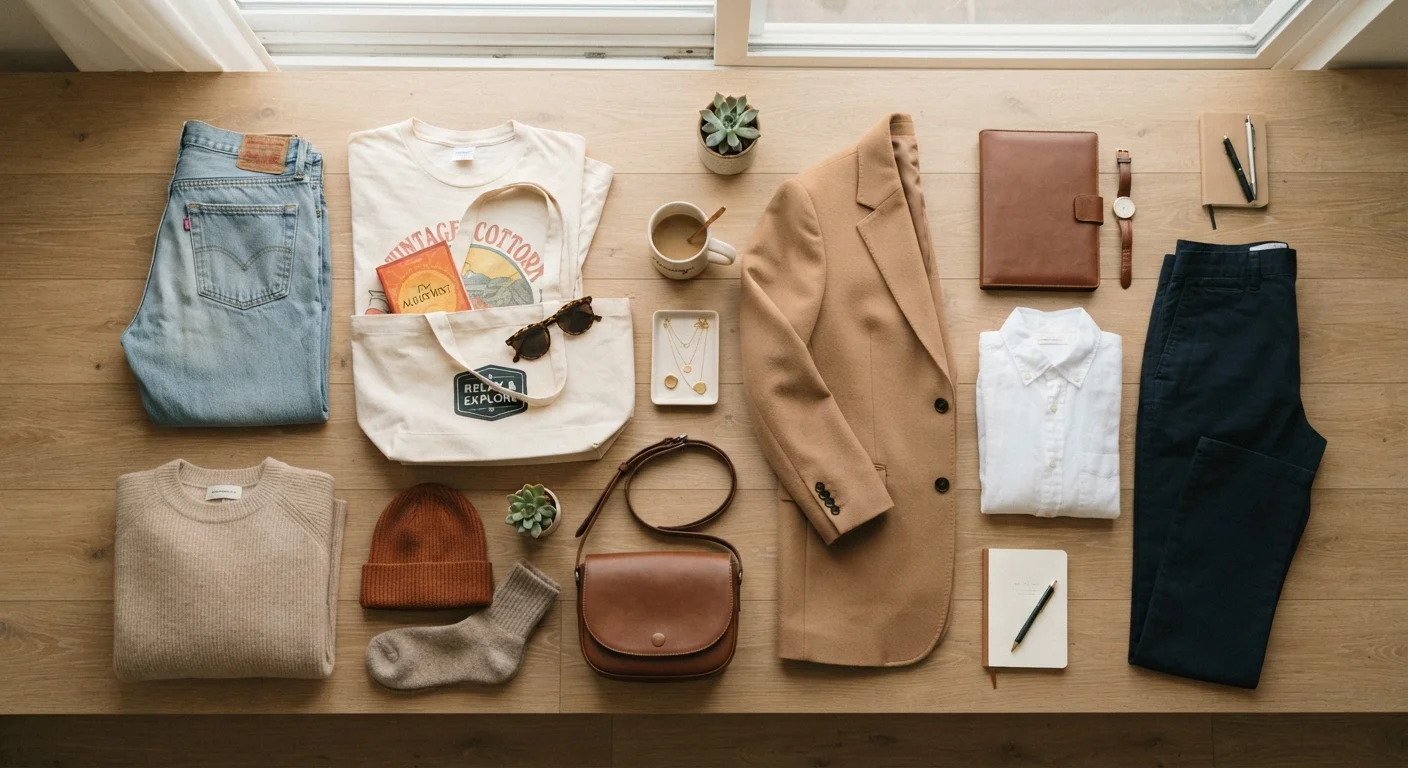
Why Style Evolves — And Why That's a Good Thing
Your wardrobe in your twenties probably looks nothing like what you wear now — and that's exactly the point. Style isn't a destination; it's a living reflection of who you are and what your life actually demands. As jobs change, families grow, bodies shift, and budgets fluctuate, the clothes that serve you best evolve too.
This isn't about keeping up with trends or overhauling your closet every few years. It's about paying attention to what genuinely works for your real life at each stage. Dressing with intention means making thoughtful choices that align with your daily reality — not chasing an idealized version of yourself.
Think of each decade less as a style rulebook and more as a new context. Same person, updated priorities.
Dressing in Your 20s: Experimenting and Establishing
Your twenties are arguably the most fertile ground for style experimentation. With fewer fixed obligations and a natural curiosity about identity, this is the time to try things — bold colors, unexpected silhouettes, thrift-store finds, and DIY alterations. Not everything will land, and that's completely fine.
Budget is typically tighter in this decade, which actually encourages creativity. Secondhand shopping, clothing swaps with friends, and mixing high and low pieces are all legitimate strategies, not compromises. Building a versatile wardrobe on a realistic budget is very achievable when you approach it intentionally from the start.
Keep a running mental (or actual) note of which items you reach for repeatedly. Those are your real style anchors — the pieces that future purchases should complement.
Self-observation is far more reliable than trend forecasts when it comes to building a wardrobe that gets used. Knowing your genuine preferences saves money and reduces closet clutter over time.
When buying new pieces, hold them against what you already own before purchasing. If a new item doesn't pair easily with at least three things in your current wardrobe, reconsider.
Versatility is the single biggest driver of cost-per-wear — the practical metric that matters far more than sticker price when evaluating clothing value.
The most valuable thing you can do in your twenties is pay attention to what you actually reach for. Those recurring choices quietly reveal your genuine preferences and lay the groundwork for a more intentional wardrobe later on.
Dressing in Your 30s: Building With Purpose
By your thirties, many people find their lives getting more structured — career responsibilities, possibly a partner or children, and a clearer sense of who they are. Style decisions start feeling more deliberate. The impulse buy gives way to considered investment.
This is often the decade when a capsule-style approach makes the most practical sense: fewer pieces, better quality, maximum versatility. A well-fitting blazer, quality denim, and a few reliable basics can carry you through more situations than a stuffed-but-disorganized closet ever will.
60%
Clothes never or rarely worn after purchase
Research from various textile sustainability studies suggests roughly 60% of clothing items are worn fewer than a handful of times before being discarded or stored permanently.
3x
Value of well-fitting basics vs. trendy pieces
Style professionals broadly agree that foundational pieces with a proper fit deliver significantly more cost-per-wear value than trend-driven purchases, though exact ratios vary by individual.
It's also worth noting how your body may shift during this time — pregnancy, increased activity, or simply the natural changes that come with adulthood. Clothes that fit your actual body today will always look better than items saved for a hypothetical future size. You don't need a closet overhaul to refine your look — small, intentional additions go a long way.
Dressing in Your 40s: Knowing What Works
The forties often bring a quieter but powerful shift: genuine self-knowledge. Most people at this stage know what silhouettes flatter them, what fabrics they hate against their skin, and what they'll never actually wear no matter how good it looks on the hanger. That knowledge is worth a lot.
This is the decade to lean into your own aesthetic without apology. Consistency in how you dress can actually strengthen your personal identity and make mornings simpler. You've done the experimenting; now you get to edit.
Audit Before You Add
Before buying anything new, spend 15 minutes reviewing what you actually own. Pull out pieces you haven't touched in a year and ask honestly whether they still serve your current life. Donating or consigning them first creates both physical and mental space for choices that genuinely fit who you are right now.
Quality of construction becomes more noticeable — and more worthwhile — as you become a more discerning shopper. Learning to evaluate seams, fabric weight, and cut pays dividends. And remember: caring for what you own extends its life considerably. Common care mistakes quietly shorten your wardrobe's lifespan — a little knowledge goes a long way.
Dressing in Your 50s and Beyond: Comfort Meets Confidence
In your fifties and beyond, the old rule that comfort and style are opposing forces completely falls apart. Designers, retailers, and real people everywhere are proving that clothes can feel genuinely good on your body and look polished, expressive, and entirely intentional.
Physical needs may become more prominent — ease of movement, temperature regulation, supportive footwear — but these aren't limitations; they're just new parameters to work within. Plenty of elegant, stylish options exist that also happen to feel wonderful to wear all day.
“Style is a way to say who you are without having to speak.”
— Rachel Zoe, Fashion designer and stylist
This is also a stage where many people feel most comfortable in their own skin. That confidence is, frankly, the best style asset available at any age. Pair it with clothes that genuinely fit and you're already most of the way there. The emotional dimension of dressing is worth taking seriously too — research consistently links how we present ourselves to how we feel. Mental wellness and self-expression are intertwined across every life stage.
Principles That Hold No Matter Your Age
Across every decade, certain truths remain steady:
- Fit matters most. A modestly priced item that fits well will always look better than an expensive one that doesn't.
- Buy less, choose well. A smaller number of pieces you genuinely love and wear regularly beats a crowded closet of options you avoid.
- Your style is yours. Age-related style rules are largely outdated. Wear what makes you feel like yourself.
- Maintenance extends value. How you launder, store, and care for clothing is a real investment in your wardrobe's longevity.
Wherever you are in life, the goal is the same: clothes that support who you are right now — not who you were, and not some aspirational future self. Explore the personal style hub for more guidance on building a wardrobe that genuinely reflects you at every stage.
Avoid Dressing for a Future Self
Keeping clothes that only fit a past or anticipated version of your body can quietly undermine your confidence every time you open your closet. Dressing well starts with working with your body as it actually is today. Clothes that fit your current self — whatever size or shape — will always look and feel better than items waiting for a different moment.