
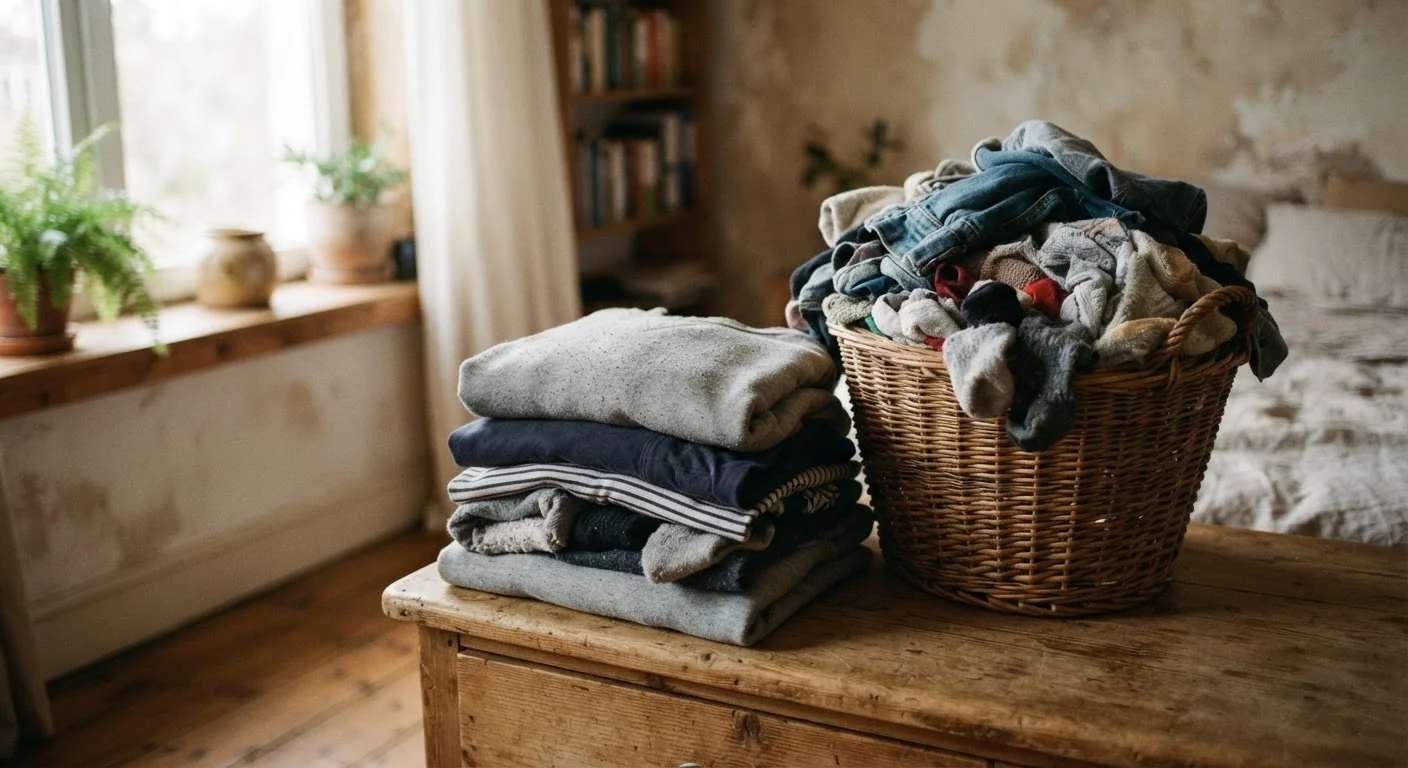
The Habits That Are Quietly Destroying Your Wardrobe
Most clothes don't wear out because they were cheap or poorly made — they wear out because of what happens to them in the laundry room and the closet. The good news? The fixes are almost always simple, free, and worth the small habit shift. If you want your wardrobe to actually go the distance, it's worth learning what's working against it.
Think about the relationship between clothing care and longevity the same way you might think about maintaining any other investment in your home. Just as the right habits can keep your gadgets running longer (see our practical maintenance playbook), the right laundry and storage routines can dramatically extend what you get out of every piece in your closet.
Washing clothes after every single wear, regardless of whether they're actually dirty.
Why it happens: It feels hygienic, and it's a hard habit to question once it's ingrained. Many people wash items like jeans, sweaters, or blazers as automatically as they wash socks and underwear.
Using too much laundry detergent, which leaves residue that stiffens fibers and attracts more dirt.
Why it happens: The instinct is logical: more soap means cleaner clothes. Detergent manufacturers also tend to mark recommended fill lines generously.
Defaulting to high heat in the dryer for every load to save time.
Why it happens: High heat dries clothes faster, and speed is often the priority in a busy household. The damage is invisible at first, making it easy to overlook.
Hanging heavy knits and stretchy fabrics on hangers, which distorts their shape permanently.
Why it happens: Hanging everything is a tidy habit, and most people don't distinguish between garments that hang well and those that don't.
Skipping the mesh laundry bag for delicates and items with embellishments.
Why it happens: It adds a step, and mesh bags are easy to forget about or not own in the first place.
Leaving damp clothes sitting in the washing machine drum after the cycle ends.
Why it happens: Life gets busy, and the laundry gets forgotten. It seems harmless once it's finally moved to dry.
Storage and Everyday Handling: The Overlooked Half of Garment Care
The wear on your clothes doesn't stop when the dryer does. How you handle, hang, fold, and store garments between wears has a real and measurable effect on how long they last. Overstuffed drawers cause permanent creasing and abrasion. Wire hangers distort shoulder seams. Folding a blazer instead of hanging it causes creases that are hard to reverse without steaming.
Care Labels Exist for a Reason
That tiny tag sewn into your garment isn't just filler — it contains fiber-specific instructions developed to prevent irreversible damage. Ignoring symbols for water temperature, drying method, or ironing heat is one of the most common ways clothes are ruined beyond repair. Make it a habit to check the label before the first wash, not after something goes wrong.
If you're building a wardrobe that actually works hard for you, it helps to start with pieces that are worth caring for. Our guide to wardrobe staples that actually earn their keep walks through which foundational items tend to hold up best across seasons and wear cycles — pairing smart purchases with smart care is the real formula for a wardrobe that lasts.
And if you're ever puzzling over why certain outfits just feel off despite perfectly good individual pieces, that's often a separate issue worth exploring — why outfits feel off even when each piece is nice is a common frustration with clear, fixable causes. Your clothes working hard and looking great starts with keeping them in the best shape possible — and most of that happens before you ever get dressed.
80%
Of fabric wear caused by laundering
Textile researchers broadly estimate that the majority of fabric degradation in garments occurs during the washing and drying process, not through regular wear.
2–3x
Longer lifespan with air drying
Garment care experts commonly note that consistently air-drying clothes instead of machine drying can roughly double or triple how long fabric holds its shape and color.