
What Each Warranty Actually Is
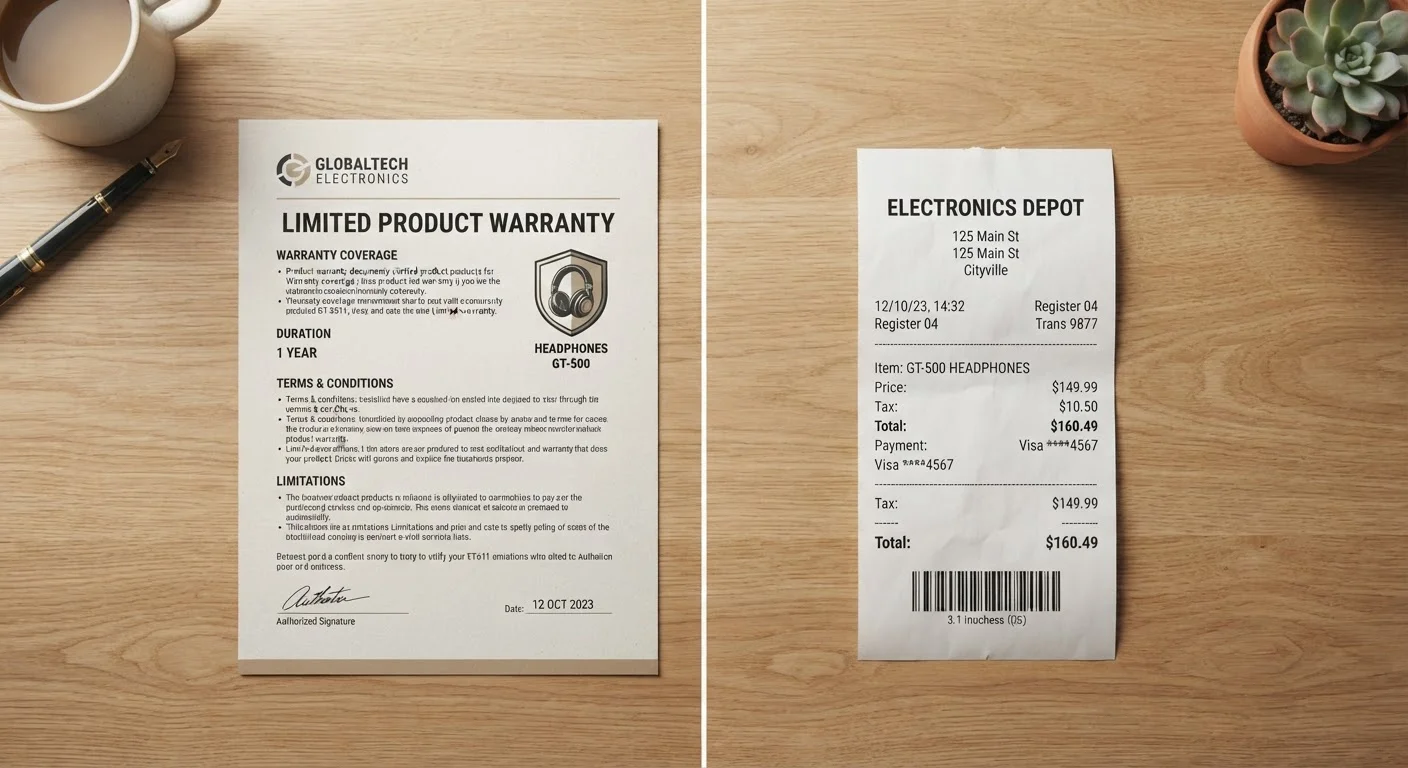
A manufacturer warranty - sometimes called a limited warranty - is a written promise from the company that made the product. It comes bundled with your purchase at no additional charge and typically covers defects in materials or workmanship for a set period. Common durations range from 90 days on small electronics to several years on major appliances or vehicles. If something fails because of how it was made, the manufacturer bears responsibility for repair or replacement during that window.
An extended warranty, more accurately called an extended service plan or service contract, is a separate agreement you purchase - usually from a retailer, third-party administrator, or the manufacturer itself. These plans generally take effect after the original warranty expires, though some overlap from day one. Unlike manufacturer warranties, extended plans involve a contract with their own terms, exclusions, and claims processes. For a broader comparison of warranty types, see Warranty Types and What They Cover.
Key Differences in Coverage and Terms
The clearest difference between the two comes down to who guarantees the coverage and what triggers a valid claim.
| Criterion | Manufacturer Warranty | Extended Warranty (Service Plan) |
|---|---|---|
| Cost to consumer | Included in purchase price | Separate paid contract |
| Coverage trigger | Manufacturing defects only | Varies; may include wear, some accidents |
| Who provides it | The product manufacturer | Retailer or third-party administrator |
| Duration | Fixed; typically 90 days to a few years | Negotiated; often 1-5 additional years |
| Legal baseline protections | Governed by federal and state warranty law | Private contract; varies by provider |
| Exclusions | Misuse, normal wear, accidental damage | Varies widely; always check the contract |
| Claims process | Typically direct with manufacturer | Through plan administrator; may require authorization |
Manufacturer warranties are legally defined by consumer protection statutes in most states, which sets a floor for what must be offered and disclosed. Extended service plans are private contracts and carry no such baseline - quality varies considerably between providers. Always read the exclusions list before committing to any plan. For a deeper look at what these documents typically leave out, see What a Warranty Actually Covers - and What It Doesn't.
The Cost Calculation Worth Running
Extended service plans are profitable for sellers precisely because claims are often less frequent than buyers expect. Before agreeing to one, consider three practical factors:
- Repair vs. replacement cost: If a product costs $80 to replace and the plan costs $25, the math may still not favor the plan once deductibles and claim friction are factored in.
- Product failure rates: Some categories - particularly mid-range home appliances and consumer electronics - have repair cost histories that are publicly tracked by consumer organizations. Checking those figures gives you a realistic sense of likelihood.
- Who administers the plan: A plan backed by the original manufacturer carries less insolvency risk than a third-party contract. If the administrator goes out of business, your contract may become worthless.
~55%
Extended warranties never used by buyers
Consumer Reports has consistently found that a majority of extended warranty purchasers never file a claim, meaning the upfront cost yields no tangible benefit.
10-50%
Retail margin on service plans
Retail industry analyses have noted that extended service plans carry significantly higher margins for sellers than the underlying products, reflecting low average claim rates.
For vehicle purchases specifically, warranties interact with broader ownership costs. Our comparison of new car vs. used car trade-offs covers how warranty coverage factors into the total cost of ownership decision.
When Extended Coverage Can Make Sense
Extended service plans aren't universally bad - context matters significantly. They tend to provide more value when:
- The product has high individual repair costs relative to its purchase price (certain HVAC systems, refrigerators, or laptops with proprietary components).
- Labor costs in your area are high and the product requires professional servicing.
- You're purchasing a certified pre-owned vehicle where manufacturer coverage has already partially elapsed. Our overview of CPO programs vs. standard used cars explains how those inspections and coverage windows typically work.
Implied Warranties Still Apply
Even when no written warranty is provided, most states recognize an 'implied warranty of merchantability' - a legal baseline that a product must function as reasonably expected. This protection exists independently of any written manufacturer or extended warranty. It generally cannot be waived on consumer goods, though its duration and scope vary by state. Consulting a consumer protection resource in your state can clarify how this applies to a specific situation.
Whatever you decide, keep copies of all warranty documents - both manufacturer and any extended plan - in a place you can find them quickly. A warranty you can't locate when you need it offers no practical benefit.