
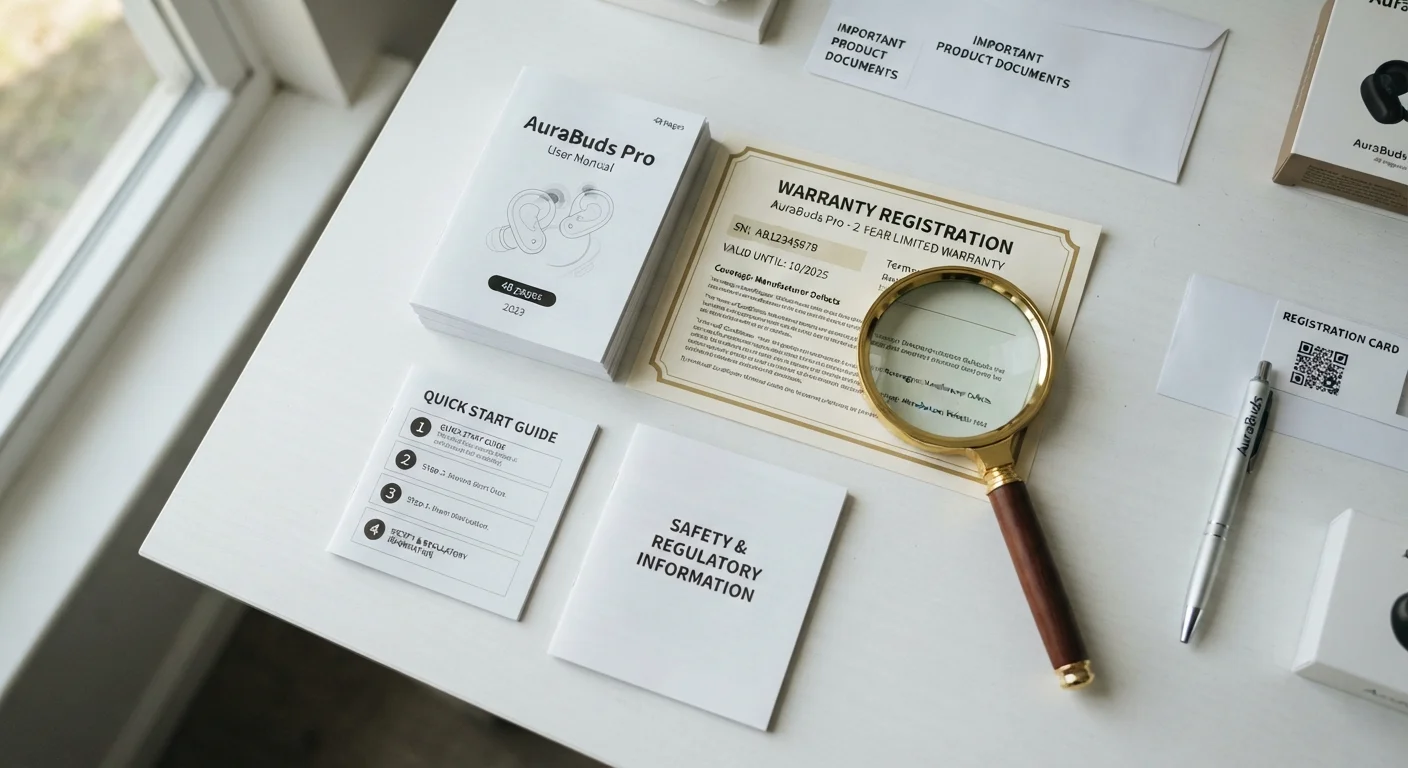
The Three Main Warranty Types
When you buy a product, you may be protected by one, two, or all three types of warranties simultaneously — yet each functions very differently. The three core types are: manufacturer warranties, implied warranties, and extended warranties (also called service contracts). Knowing which applies in a given situation determines whether a repair or replacement will cost you nothing or everything.
For a broader look at how coverage protections work across product categories, see the Consumer Decisions hub for related guidance.
| Manufacturer Warranty | Implied Warranty | Extended Warranty | |
|---|---|---|---|
| Source | Product maker | State/federal law | Third-party or retailer |
| Written document required | Yes | No | Yes (service contract) |
| Cost to consumer | Included in purchase price | No cost | Purchased separately |
| Typical coverage | Defects in materials/workmanship | Basic functionality | Varies; often post-manufacturer failures |
| Duration | Fixed term (e.g. 1–5 years) | Ongoing while product is used | Negotiated term beyond original |
| Can be disclaimed | No (federal minimums apply) | Yes, via "as-is" sale language | Terms set by contract |
| Accidental damage covered | Rarely | No | Sometimes, plan-dependent |
Manufacturer Warranties: The Standard Promise
A manufacturer warranty — sometimes called an express warranty — is a written commitment made directly by the product's maker. It specifies a time period, a list of covered defects or failures, and a remedy (repair, replacement, or refund). These warranties are included in the purchase price; you don't pay extra for them.
Key limitations to understand: manufacturer warranties typically cover defects in materials and workmanship, but not damage from misuse, accidents, or normal wear and tear. Coverage periods vary widely by product category. A household appliance might carry a one-year parts-and-labor warranty, while structural components on the same unit might be warranted for five or ten years.
Register Your Product Right Away
Many manufacturer warranties require product registration to activate full coverage. Keep your receipt, register online or by mail within the window specified in the warranty documentation, and store a digital copy of the confirmation. This simple step avoids disputes about coverage eligibility if something goes wrong.
For a detailed breakdown of what these warranties typically include and exclude, see what a warranty actually covers.
Implied Warranties: Automatic Legal Protections
Implied warranties aren't written into a document — they exist automatically under state law. The most common is the implied warranty of merchantability, which means a product must reasonably do what it's sold to do. A blender must blend. A raincoat must resist water. If it doesn't, you may have legal recourse even with no paperwork.
A second type, the implied warranty of fitness for a particular purpose, applies when a seller knows you need a product for a specific use and recommends one accordingly. If that product fails at that specific task, the implied warranty may protect you.
Watch for "As-Is" Disclaimers
When buying used, refurbished, or clearance items, sellers may legally disclaim implied warranties using "as-is" or "with all faults" language. This shifts most of the risk to you. Before completing such a purchase, inspect the item thoroughly and understand that limited legal recourse may remain if it fails immediately after the sale.
Implied warranties can be disclaimed by sellers using language such as "sold as-is" or "with all faults" — phrases worth watching for in used-goods markets and liquidation sales.
Extended Warranties and Service Contracts
Extended warranties — more accurately described as service contracts — are optional agreements purchased separately, often at the point of sale. They pick up where manufacturer coverage leaves off, or sometimes overlap with it. These are administered by third-party companies or, in some cases, retailers themselves.
The value proposition here is more variable. Service contracts carry their own terms, deductibles, claim processes, and exclusions. Some cover accidental damage; many don't. Some require you to use authorized repair centers; others allow any licensed technician. The comparison between manufacturer warranties and extended service plans covers the structural differences in detail.
Before purchasing, calculate the cost of the contract against the realistic probability and cost of a repair. For lower-cost items, the math rarely favors the contract.
How to Use This Information Before You Buy
Warranty literacy is a practical consumer skill. Before finalizing any significant purchase, ask three questions: What manufacturer warranty comes standard? Does state law provide implied warranty protections here? And is an extended service contract actually worth the added cost for this item?
Retain all warranty documentation, register products where required to activate coverage, and note expiration dates on a calendar. When a problem arises, contact the manufacturer first — before paying out of pocket — to determine whether coverage applies.
This article is for general informational and educational purposes only. It does not constitute legal or consumer law advice. Warranty terms vary significantly by product, manufacturer, and state. Consult a consumer protection attorney or your state attorney general's office if you have a specific warranty dispute.