
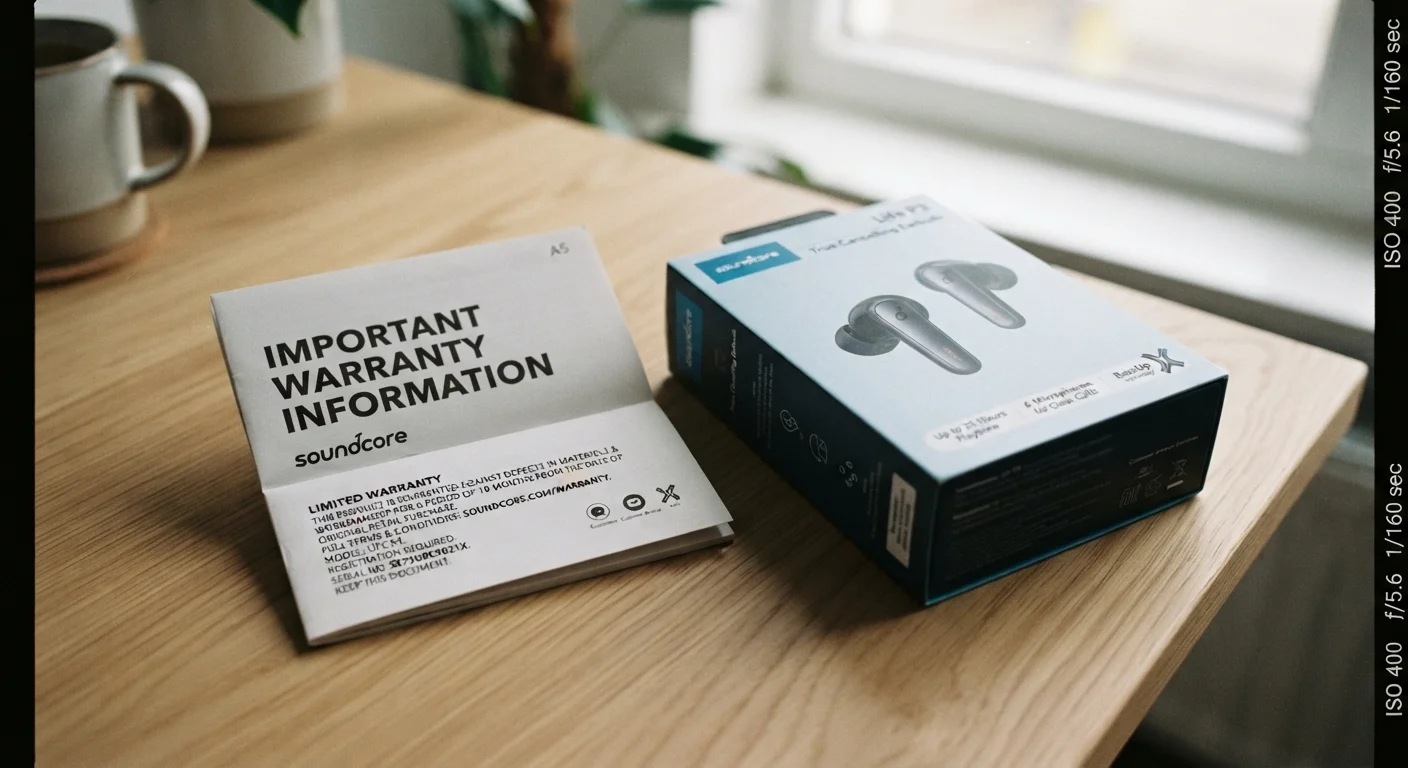
What a Warranty Is Promising You
At its core, a warranty is a contract. When you buy a product covered by a manufacturer warranty, the company is agreeing to stand behind it - but only under specific conditions spelled out in the warranty document. The most common type you'll encounter is a limited warranty, which covers defects in materials or workmanship for a defined period. That means: if something breaks because of how it was made, the manufacturer is responsible. If it breaks for any other reason, you may be on your own.
This distinction matters more than most buyers realize. A refrigerator that stops cooling because of a faulty compressor is likely covered. The same refrigerator damaged because it was moved improperly during a home renovation probably isn't. The warranty covers what went wrong in the factory - not what goes wrong in your home.
Implied Warranties Still Apply
Even when no written warranty is provided, U.S. consumers typically have implied warranty protections under state law. The most common is the implied warranty of merchantability, which means a product must work for its ordinary intended purpose. These protections exist independently of anything printed on the box, though their scope and enforceability vary by state.
What Warranties Commonly Exclude
The exclusions section of a warranty document is where most surprises live. Understanding what isn't covered is just as important as knowing what is. Typical exclusions across most product categories include:
- Accidental damage - drops, spills, cracks, or impact damage
- Normal wear and tear - gradual degradation expected through regular use
- Cosmetic damage - scratches, dents, or discoloration that don't affect function
- Damage from misuse - using the product outside its intended purpose
- Unauthorized repairs or modifications - having someone other than an approved service center work on the product
- Environmental damage - water damage, power surges, or extreme temperature exposure
Some exclusions are product-specific. Battery degradation in electronics is frequently excluded after a short initial window, even though it's a common complaint. Certain appliance components may carry shorter sub-warranties than the main unit. Always scan for tiered coverage within a single warranty document.
~55%
Consumers who never read warranty terms
Consumer research has consistently found that a majority of buyers set aside warranty documents without reading the exclusions or coverage conditions.
1 year
Typical base manufacturer warranty duration
One year is the most common warranty period for consumer electronics and small appliances in the U.S., though coverage length varies by product category and manufacturer.
Extended Warranties: A Different Animal
Extended warranties - sometimes sold as service plans or protection plans - are not extensions of the manufacturer warranty. They are separate contracts, usually sold by the retailer or a third-party administrator, and their terms can differ significantly. Some overlap with what the manufacturer already covers during its warranty period; others add genuinely useful protections like accidental damage or no-lemon guarantees.
Before deciding whether an extended warranty is worth the cost, it helps to understand the original coverage you already have. For a deeper look at how these two types of protection compare, see how manufacturer and extended warranties differ. For a broader side-by-side breakdown of warranty types, this comparison of warranty types and coverage is a useful reference.
Save Your Proof of Purchase Immediately
The purchase date is the starting point for any warranty period, and most manufacturers require proof of purchase to process a claim. Take a photo of your receipt the day you buy a product and store it somewhere accessible - a dedicated email folder or a cloud document works well. Don't rely on the retailer's records alone, as access to those can be limited over time.
How to Actually Read a Warranty
Most people set aside warranty paperwork and never look at it again. A few minutes of reading upfront can prevent problems later. Here's where to focus:
- Coverage period - How long does protection last, and does it vary by component?
- What triggers coverage - Look for language like "defects in materials or workmanship" and understand that this is narrower than it sounds.
- Exclusions list - Read every item. This is where most claims are denied.
- Your responsibilities - Some warranties require you to notify the company within a set number of days after discovering a defect, or to obtain pre-authorization before repairs.
- Remedy offered - Will they repair, replace, or refund? The answer affects whether the outcome suits your situation.
Also worth noting: return policies and warranties are separate protections. If your product fails shortly after purchase, you may have options through the store's return policy that are faster than a warranty claim. How return policies work and what the fine print often hides is worth reading before you assume a warranty is your only path.