
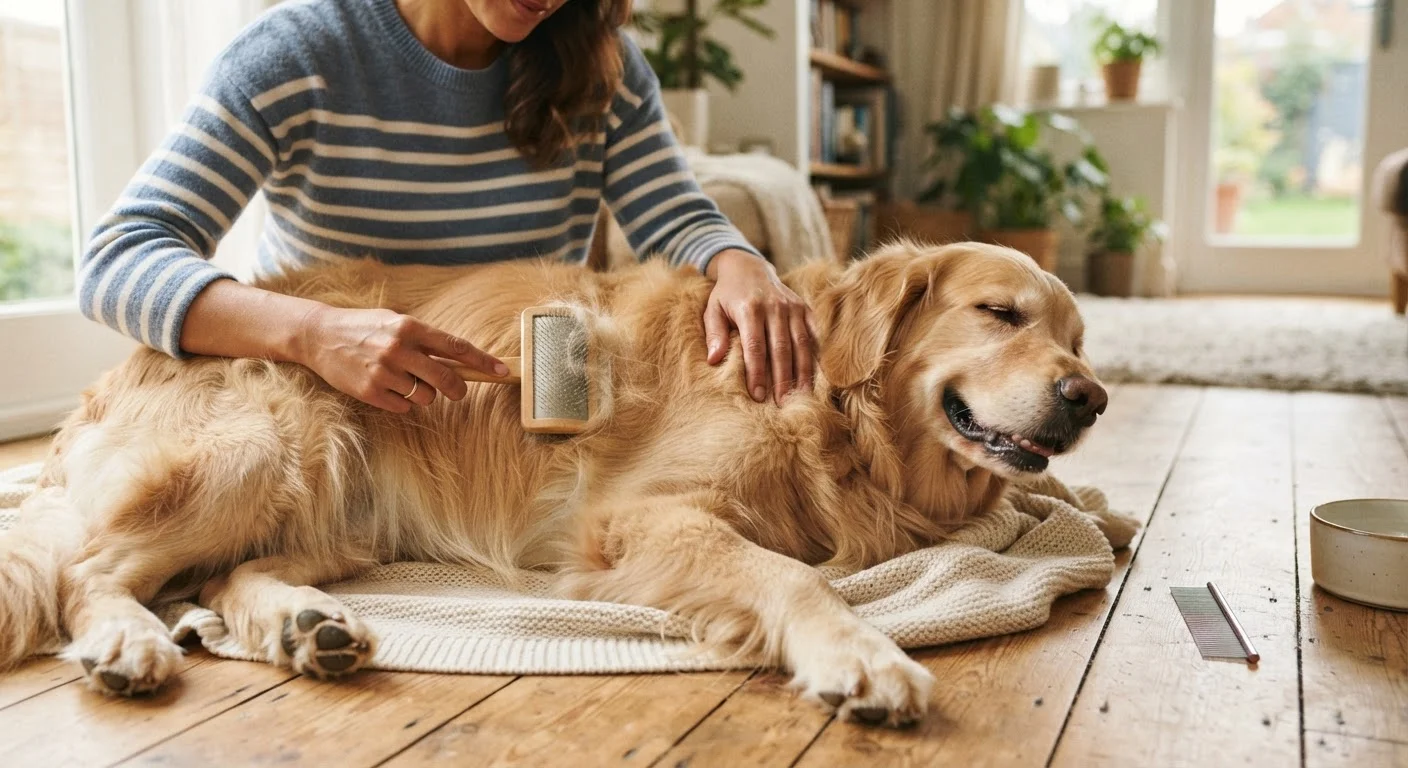
Why a Grooming Routine Matters More Than You Think
Grooming is not just about appearances — it is one of the most consistent and practical ways to monitor your pet's physical condition between veterinary appointments. Regular handling builds familiarity, which makes vet exams less stressful for both the animal and the clinician. And the hands-on contact gives you an early-warning system for skin changes, lumps, parasites, and coat quality shifts that might otherwise go unnoticed.
For dogs especially, grooming needs vary significantly by breed and coat type. A Labrador and a Bernese Mountain Dog share the same species but have very different maintenance demands. Cats are largely self-grooming, but that does not mean owners are off the hook — long-haired cats in particular need regular brushing to prevent painful mats and reduce ingested hairballs. Our annual pet health checklist offers a broader framework for tracking wellness between vet visits, and grooming observations fit naturally into that habit.
The tools you need are modest and the time investment per session is manageable. What makes the difference is consistency — and, for new pets especially, introducing grooming gradually so the experience stays calm and positive.
Slicker brush or deshedding tool
Removes loose fur and detangles coats during routine brushing sessions.
Pet nail clippers
Trims nails safely without crushing — scissor-style or guillotine-style depending on pet size.
Pet-safe shampoo
Formulated for animal skin pH to cleanse without stripping natural oils.
Styptic powder
Stops minor bleeding quickly if a nail is accidentally trimmed too short.
Vet-approved ear cleaner
Helps gently loosen and remove debris from the outer ear canal.
Pet toothbrush and enzymatic toothpaste
Reduces plaque and tartar buildup when used in regular tooth-brushing sessions.
Wide-tooth comb and detangling spray
Eases mat removal in medium- and long-coated pets without breaking the coat.
How to Use This Checklist
The checklist below is organized by grooming category rather than by species, because many tasks apply to both dogs and cats with minor adjustments. Notes within individual items flag where dogs and cats differ meaningfully. Use the checklist to audit your current routine, identify any gaps, and build a realistic schedule that fits your pet's needs.
If you have a new pet, start slowly. Introduce each grooming task as a low-pressure, reward-based activity before it becomes a regular necessity. Incremental training milestones can make a meaningful difference in how comfortably your pet accepts handling over time. For new dog owners in particular, our guide on building the foundation for good behavior in the first week covers how to make early routines feel safe and predictable.
Overgrown Nails Cause Lasting Physical Harm
When nails grow too long, they force the paw into an unnatural angle that strains joints and affects gait over time. In severe cases, nails can curl back into the paw pad, causing pain and infection. If your pet resists nail trims or their nails have not been cut in months, a veterinarian or professional groomer can help safely manage overgrowth.
Coat Care
Bathing
Nail Trimming
Ear and Eye Care
Dental Hygiene
Dental Care: The Most Overlooked Part of Grooming
Dental hygiene is technically a grooming task, but many pet owners treat it as optional. It is not. Periodontal disease — infection and inflammation affecting the gums and teeth — is one of the most common health conditions diagnosed in adult dogs and cats. It progresses silently and, when advanced, affects more than the mouth. Our companion article on dental disease in pets explains why prevention, not treatment, is the more effective approach.
Daily brushing is ideal, but even two to three sessions per week provide meaningful plaque control. Start by letting your pet sniff and lick the toothpaste, then progress to brief brush contact before working toward a full session. Go at the animal's pace — building tolerance is more valuable long-term than forcing a complete brush that causes distress. This patient, stepwise approach also reflects the broader value of home care habits that vets say make the biggest difference.
Never Use Human Grooming Products on Pets
Human shampoos, conditioners, and toothpaste are formulated for human skin and mouth chemistry — they can be harmful to dogs and cats. Human toothpaste often contains xylitol, which is toxic to pets. Always choose products specifically labeled safe for use on animals, and confirm with your veterinarian if you are unsure.
Don't Ignore Ear Odor or Persistent Head Shaking
A strong smell, dark discharge, or repeated head shaking can signal an ear infection or mite infestation — conditions that worsen without veterinary treatment. Do not attempt to flush or probe the ear canal at home. Have your veterinarian examine the ear before attempting any cleaning beyond the outer flap.
This article provides general pet care information and is not a substitute for professional veterinary advice. Consult your veterinarian for guidance tailored to your specific pet's health needs.