
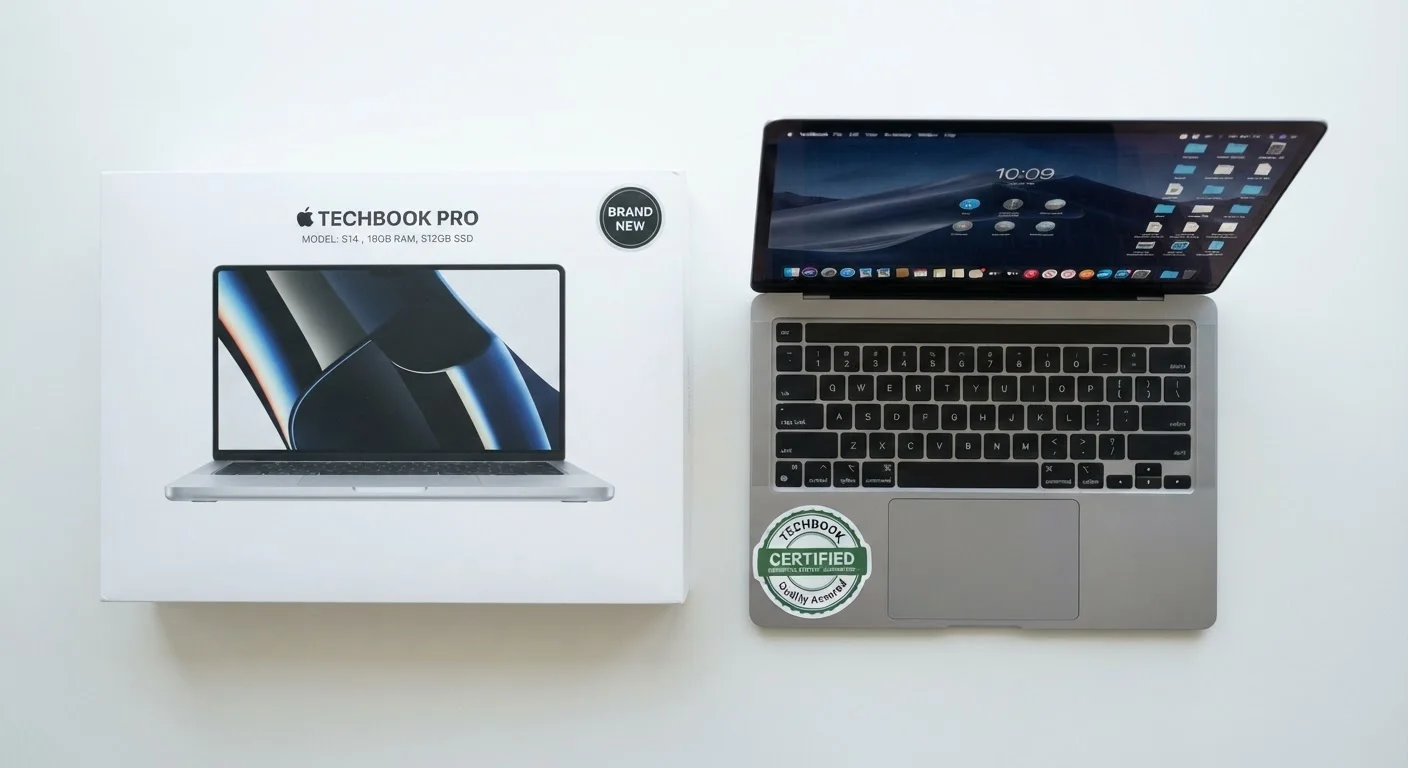
What 'Certified Refurbished' Actually Means
The word refurbished covers a wide range of products - from a device returned by a customer after two days to one repaired after a hardware failure. Certified refurbished is a narrower category: these are devices that have been inspected, repaired if necessary, cleaned, and tested to meet a defined functional standard before resale.
The certification itself, however, is not standardized across the industry. A manufacturer-refurbished unit - sold directly through the brand's own certified outlet - is held to stricter quality controls than a third-party refurbisher using its own internal checklist. When evaluating any refurbished listing, the most important question is: who performed the inspection, and what did it cover?
For more context on how certification language works in consumer markets, see what CPO certification actually involves - the same skepticism that applies to vehicle certification programs translates well to electronics.
| Criterion | New Electronics | Certified Refurbished |
|---|---|---|
| Upfront cost | Full retail price | Typically 15-40% less |
| Warranty length | Usually 1 year (manufacturer) | 90 days to 1 year (varies) |
| Device history | None - untouched | Prior use; inspection documented |
| Cosmetic condition | Perfect | Minor wear possible (grade-dependent) |
| Latest specs/features | Always current generation | May be one or more generations old |
| Software support window | Full lifecycle from purchase | Shorter remaining support period |
| Accessories included | Full original set | Varies; may be third-party |
| Return policy | Standard retail policy | Varies by seller; confirm before buying |
Where the Savings Come From - and What They Cost You
Refurbished electronics are priced lower because they carry reputational risk that new products don't. A buyer accepting a device with prior history is accepting some uncertainty, even after inspection. That discount compensates for shorter warranties, potential cosmetic wear, and the absence of original packaging or accessories in some programs.
The savings can be real and meaningful. Laptops, tablets, and smartphones certified through manufacturer programs have historically sold at discounts ranging from 15% to over 35% below new retail - though this varies by device age, demand, and the seller's program structure. On a $1,000 laptop, that's a difference worth evaluating carefully.
15-40%
Typical discount on certified refurbished electronics
Savings vary by device type, age, and the certification program; manufacturer-direct programs tend to offer the most consistent pricing.
~90 days
Common minimum warranty on refurbished devices
Many third-party refurbished programs start at 90 days, compared to a typical one-year manufacturer warranty on new products.
What buyers give up is primarily warranty duration and coverage breadth. New consumer electronics commonly carry a one-year manufacturer warranty; certified refurbished programs often offer 90 days to one year, and terms vary. Extended warranty purchases are available through some sellers, which can close that gap - but add to the total cost.
This trade-off mirrors a broader principle in consumer buying: the relationship between upfront cost and long-term value depends on how long you plan to use the device and how much disruption a failure would cause.
When New Electronics Are the Smarter Call
New electronics are worth the premium in specific situations. If you're purchasing a device you'll rely on for four or more years, the full manufacturer warranty and untouched hardware condition matter more than an upfront discount. New devices also come with current-generation components, meaning longer software support windows - a consideration that compounds over time on smartphones and computers.
Financing incentives occasionally favor new purchases as well. Some manufacturers offer 0% interest financing through authorized channels that isn't available on refurbished inventory, which can change the effective cost comparison. Evaluate the total cost, not just the sticker price.
The broader decision logic here isn't unlike weighing a new versus used car purchase: both involve balancing depreciation, reliability, and warranty coverage against your budget and timeline.
How to Evaluate a Certified Refurbished Listing
Not all certified refurbished listings are equal. Before purchasing, verify these specifics:
- Who certified it? Manufacturer-direct programs (sold through the brand's own storefront) generally offer stronger guarantees than generic third-party resellers.
- What does the warranty cover? Read the terms. A 90-day warranty that covers parts and labor is different from one that only covers defects present at the time of purchase.
- What is the return window? Aim for at least 30 days, and confirm the return process is straightforward before buying.
- What condition grade is assigned? Programs often use grades (like Grade A or Like New) to describe cosmetic state. Understand what each grade allows.
- Are accessories included? Some refurbished listings ship with third-party chargers or no accessories. Factor in replacement costs if the originals are missing.
For a parallel framework on pre-purchase due diligence, the logic behind independent pre-purchase inspections translates directly: know what you're buying before you commit.
This article fits within a broader framework for understanding electronics ownership. See the complete consumer electronics ownership guide for guidance that extends from purchase through long-term use.
This article is for general informational purposes only and does not constitute financial or purchasing advice tailored to your individual circumstances. Terms, warranty coverage, and product quality vary by seller and program.