
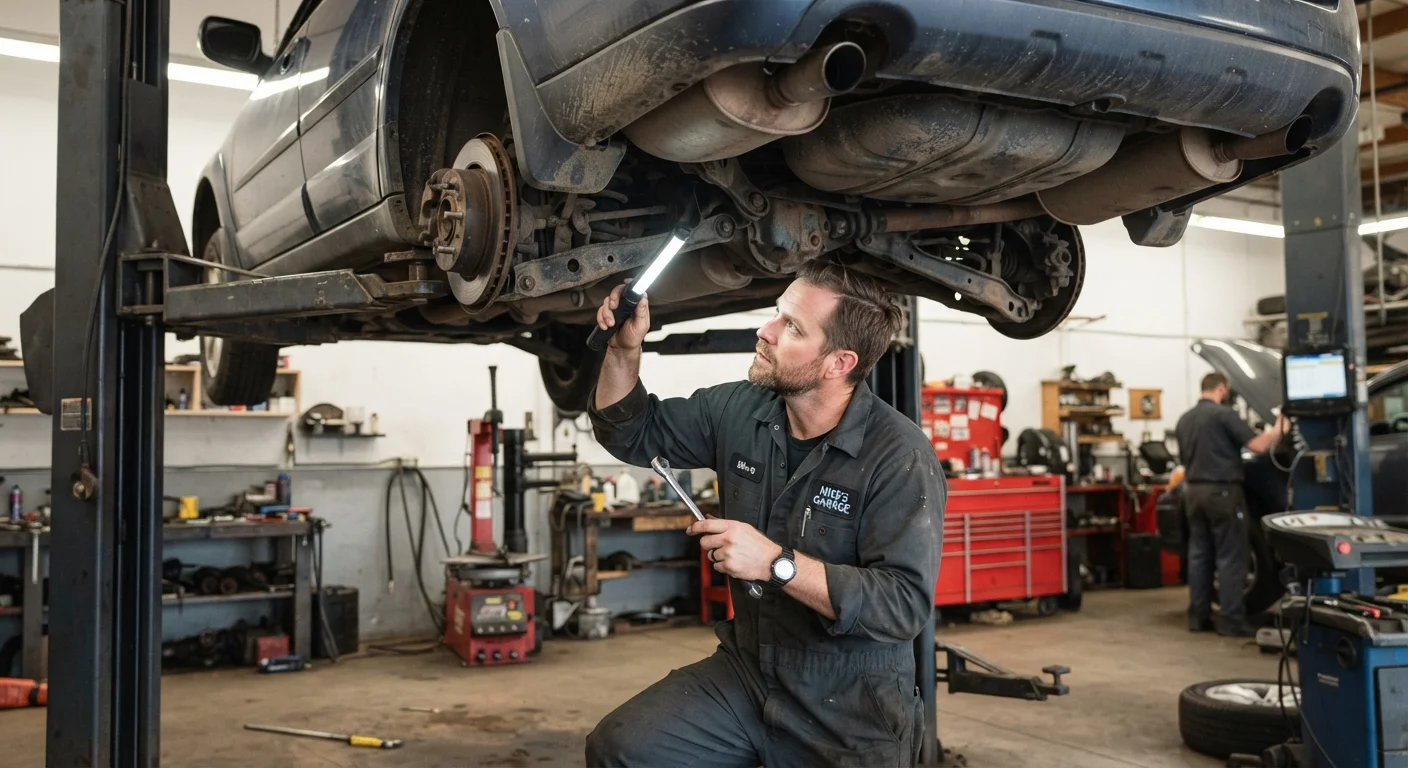
What a Pre-Purchase Inspection Actually Is
A pre-purchase inspection - often called a PPI - is an evaluation of a used vehicle performed by a mechanic who has no stake in whether you buy the car. That independence is the whole point. Unlike a dealer's in-house inspection, a PPI is done for you, not the seller.
You arrange it, you pay for it, and you receive the report. Most independent shops or dealerships with a service bay will perform one. Some mechanics will even conduct mobile inspections if the vehicle can't be moved. If you're buying a vehicle from out of state, mobile inspection services and franchise shops in that area are worth considering.
The cost is generally modest - commonly in the $100-$200 range, though complexity, location, and the shop's rates affect the final figure. That's a small fraction of what a major undisclosed repair could cost after purchase.
For context on what makes buying used different from buying new, see our overview of new vs. used trade-offs.
What a Typical Inspection Covers
While no two inspections are identical, a thorough PPI generally addresses these areas:
- Engine and drivetrain: Fluid levels and condition, signs of leaks, belt and hose condition, transmission behavior.
- Brakes and suspension: Brake pad thickness, rotor condition, shock absorbers, steering components, and tire wear patterns.
- Body and frame: Evidence of prior collision repair, rust, misaligned panels, or structural damage - things a vehicle history report won't always capture.
- Electrical systems: Lights, HVAC, windows, dashboard warning lights, and battery health.
- Exhaust system: Leaks, unusual smoke, catalytic converter condition.
- Undercarriage: Corrosion, fluid leaks, suspension integrity when viewed from below the vehicle on a lift.
A mechanic will also typically road-test the vehicle. Ask for a written report - verbal summaries are easy to forget and harder to use in negotiations.
PPI vs. Vehicle History Report: Not the Same Thing
A vehicle history report (compiled from DMV, insurance, and auction records) documents a car's past - title changes, reported accidents, odometer readings. A pre-purchase inspection documents its current physical condition. Both are useful, and neither replaces the other. Ideally, review the history report first to flag any concerns, then confirm current condition with a PPI.
It's worth noting that a PPI is not the same as a vehicle history report. History reports (sourced from services that compile DMV, insurance, and auction records) tell you about a car's documented past. A PPI tells you about its current physical condition. The two tools complement each other - neither replaces the other.
The Pros of Getting a Pre-Purchase Inspection
There are clear, practical reasons why buyers who skip this step sometimes regret it.
Reveals hidden mechanical issues before purchase
Problems like oil leaks, worn timing chains, or suspension damage often don't show up on a test drive. A lift inspection and fluid check can surface these before they become your repair bill.
Provides a factual basis for price negotiation
A written inspection report gives you documented, third-party evidence of a vehicle's condition - shifting the negotiation from opinion to fact.
Low cost relative to potential repair exposure
Inspection fees are typically a small fraction of what a single major repair - a transmission, engine, or catalytic converter - can cost after purchase.
Offers independent perspective with no conflict of interest
Unlike a dealer's service department, an independent mechanic is paid by you and has no incentive to downplay problems to close a sale.
Helps identify deferred maintenance before it's your problem
Items like aging belts, brake pads at minimum thickness, or dirty transmission fluid may not yet be failures - but knowing they're due gives you leverage or a heads-up.
Even on vehicles with a clean history report, a physical inspection can surface deferred maintenance, worn components, or non-factory repairs that weren't disclosed or recorded. That information is yours to use - whether to renegotiate the price, request repairs before closing, or simply walk away.
The Cons Worth Knowing
A PPI is not a perfect solution, and it's worth being clear-eyed about its limits.
Adds time and coordination to the buying process
Scheduling an inspection, transporting or holding the vehicle, and waiting for a report can add a day or more to your timeline - which matters in competitive markets.
Does not guarantee all problems will be found
Intermittent electrical gremlins, early-stage internal engine wear, or issues that only appear under specific driving conditions may not surface during a static or short-drive inspection.
Upfront cost with no refund if you walk away
If the inspection reveals dealbreakers and you don't buy the car, you've spent $100-$200 for the information - though most buyers consider that money well spent.
Seller or dealer may not cooperate
Some private sellers or high-volume dealers may resist holding a vehicle for inspection, particularly if other buyers are lined up.
None of these drawbacks change the core math: the cost of an inspection is nearly always lower than the cost of a surprise repair. But they do mean you should treat PPI findings as informed guidance, not a final verdict.
For a broader checklist of what to review before finalizing any vehicle purchase, see what to check before signing at the dealership.
How to Interpret the Findings
A PPI report almost always lists something. That's normal. Older vehicles have wear, and even well-maintained ones have deferred items. The goal isn't a perfect report - it's an accurate one.
When reviewing findings, separate issues into categories: safety-critical items (brakes, tires, steering), high-cost repairs (transmission, engine seals), and minor maintenance (wiper blades, air filter). Prioritize accordingly.
Use the report as a negotiation tool. If the inspection reveals $800 in near-term brake work, that's a factual basis to ask for a price adjustment. Sellers who are motivated and confident in their vehicle typically respond to documented findings in good faith.
If a seller refuses to allow an inspection before purchase, that itself is information worth taking seriously. It doesn't automatically mean the car is hiding problems - but it removes your ability to verify otherwise.
$100-$200
Typical PPI cost range
Most independent shops charge between $100 and $200 for a standard pre-purchase inspection, though rates vary by location and vehicle type.
~40%
Used cars with undisclosed issues
Industry surveys and mechanic anecdotes consistently suggest a significant share of used vehicles have issues not disclosed by sellers or captured in history reports.
Even certified pre-owned vehicles, which carry manufacturer-backed inspection standards, can benefit from an independent second opinion. Coverage and inspection depth vary across CPO programs. For more on what those programs actually include, see our breakdown of CPO vs. standard used.
This article is for general informational purposes only and does not constitute financial, legal, or mechanical advice. Consult a qualified mechanic and review all vehicle documentation before making any purchase decision.