
Why Your Shopping Habits Shape Your Diet More Than You Think
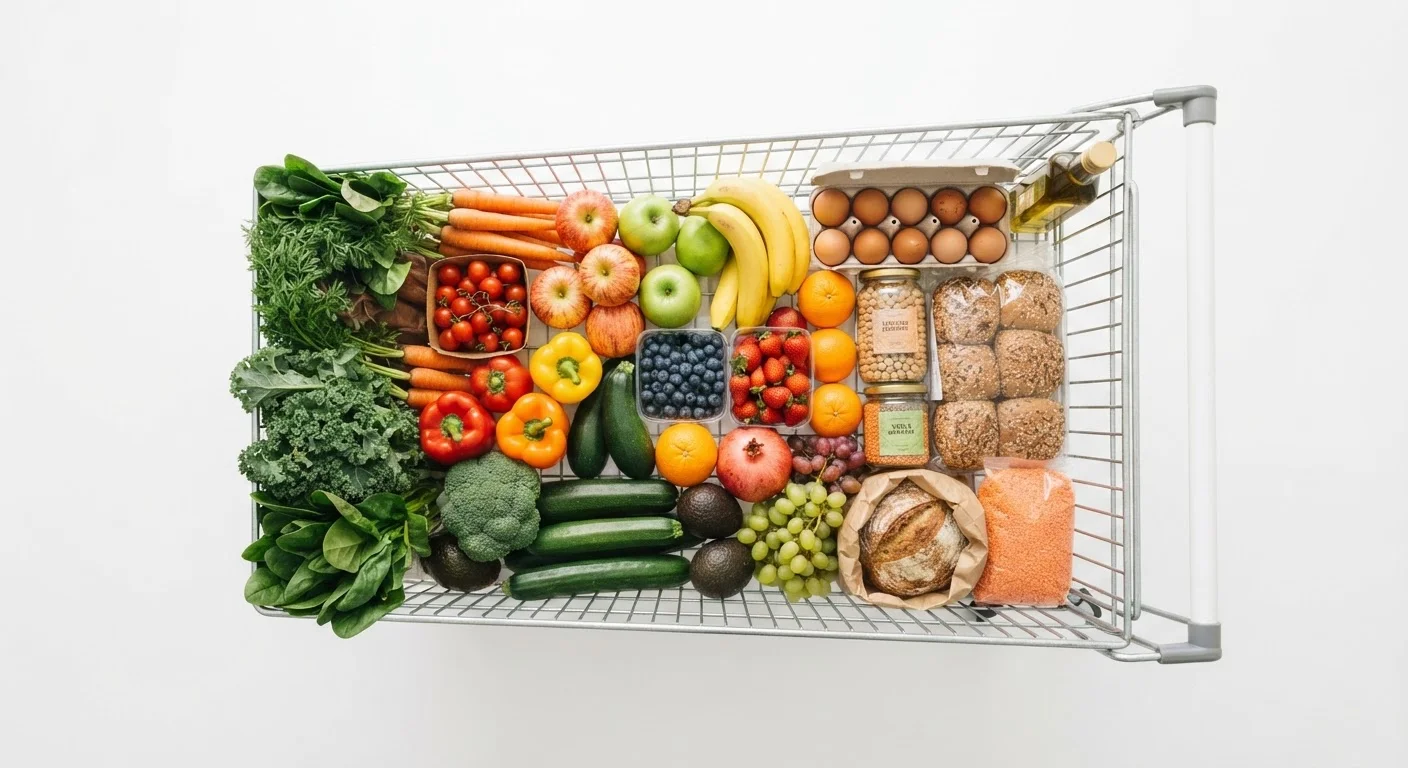
What lands in your grocery cart is one of the most consequential - and underappreciated - determinants of day-to-day nutrition. Eating well isn't primarily decided at the dinner table; it's decided in the aisles, before a meal is ever cooked. When nourishing foods are already in your kitchen, you're far more likely to eat them.
This checklist takes a practical, non-restrictive approach. There are no food rules, calorie targets, or forbidden categories here. Instead, the focus is on building a few reliable habits that make nutritious choices easier by default - habits that complement the kind of evidence-informed framework covered in building a balanced plate.
It's also worth acknowledging that grocery shopping involves real constraints - time, budget, access, and family preferences. The items in this checklist are structured by priority so you can act on the most impactful steps first without feeling like every box must be ticked on every trip.
"Health" Labels Can Be Misleading
Terms like 'natural', 'light', or 'multigrain' are marketing descriptors - not regulated nutrition claims in most contexts. Always check the Nutrition Facts panel and the ingredient list rather than relying on front-of-package language to assess a product's nutritional profile.
Drastic Overhauls Rarely Stick
Replacing your entire usual shopping routine at once can feel overwhelming and often leads to reverting to old habits within weeks. Making two or three targeted swaps per shopping trip - such as choosing whole grain bread over white, or adding one new vegetable - tends to produce more durable change over time.
Tools and Resources to Have Ready
You don't need special equipment to shop more nutritiously, but a few simple resources make the process meaningfully easier. A written or digital list is the single most useful tool - research consistently shows that shoppers with lists make more planned, less impulsive purchases. For a broader look at pre-purchase decision-making, the pre-purchase checklist offers a useful parallel framework.
Grocery list app or notepad
Organise your shopping list by category before leaving home to stay focused in-store.
Meal plan template
Map out the week's meals in advance so your list reflects genuine nutritional needs.
USDA FoodData Central (online reference)
Look up nutrition data for specific foods when comparing options or planning meals.
Reusable produce bags
Simplify buying loose vegetables and fruits in varied quantities without relying on pre-bagged portions.
The Checklist: Store-Ready Habits That Stick
Work through these groups in order - preparation habits have a cascading effect on in-store decisions. You don't need to implement every item immediately; focus first on all must items, then layer in should and nice-to-have steps as they become habitual.
For those managing grocery costs alongside nutrition goals, the shopping list budgeting guide and general smarter grocery shopping strategies offer complementary guidance that works well alongside this checklist.
Before You Leave Home
Produce and Whole Foods
Reading Labels and Making Comparisons
Proteins and Dairy Alternatives
At the Checkout and After
A Note on Whole Grains, Produce, and Common Trade-offs
Two areas where shoppers frequently face uncertainty are grain choices and produce form. On grains: the refining process strips the bran and germ layers, removing fibre, B vitamins, and several minerals. Choosing whole grain versions of bread, pasta, and cereals more often - even if not exclusively - is consistently supported by the evidence. The whole grains vs. refined grains overview explains what's lost during processing in more detail.
On produce: frozen and canned vegetables and fruits are nutritionally legitimate choices. Vegetables are typically frozen shortly after harvest, preserving most of their nutrients. Canned options become less ideal when packed in heavy syrup, high-sodium brine, or with added sauces - look for those packed in water or juice with no added salt.
Finally, if you've been drawn to a specific dietary trend, it's worth understanding the trade-offs involved. Some popular approaches eliminate entire food groups without strong evidence of benefit for the general population - a topic explored in diet trends that undermine nutritional balance.
This Is General Guidance, Not Medical Advice
The information in this checklist is intended for general educational purposes only. Individual nutritional needs vary significantly based on age, health status, medication, and other factors. If you have a specific health condition, follow a therapeutic diet, or are managing a chronic illness, consult a registered dietitian or your healthcare provider before making significant changes to your eating patterns.
This article is for general informational and educational purposes only and does not constitute medical or dietary advice. Consult a qualified healthcare professional or registered dietitian for guidance tailored to your individual health needs.