
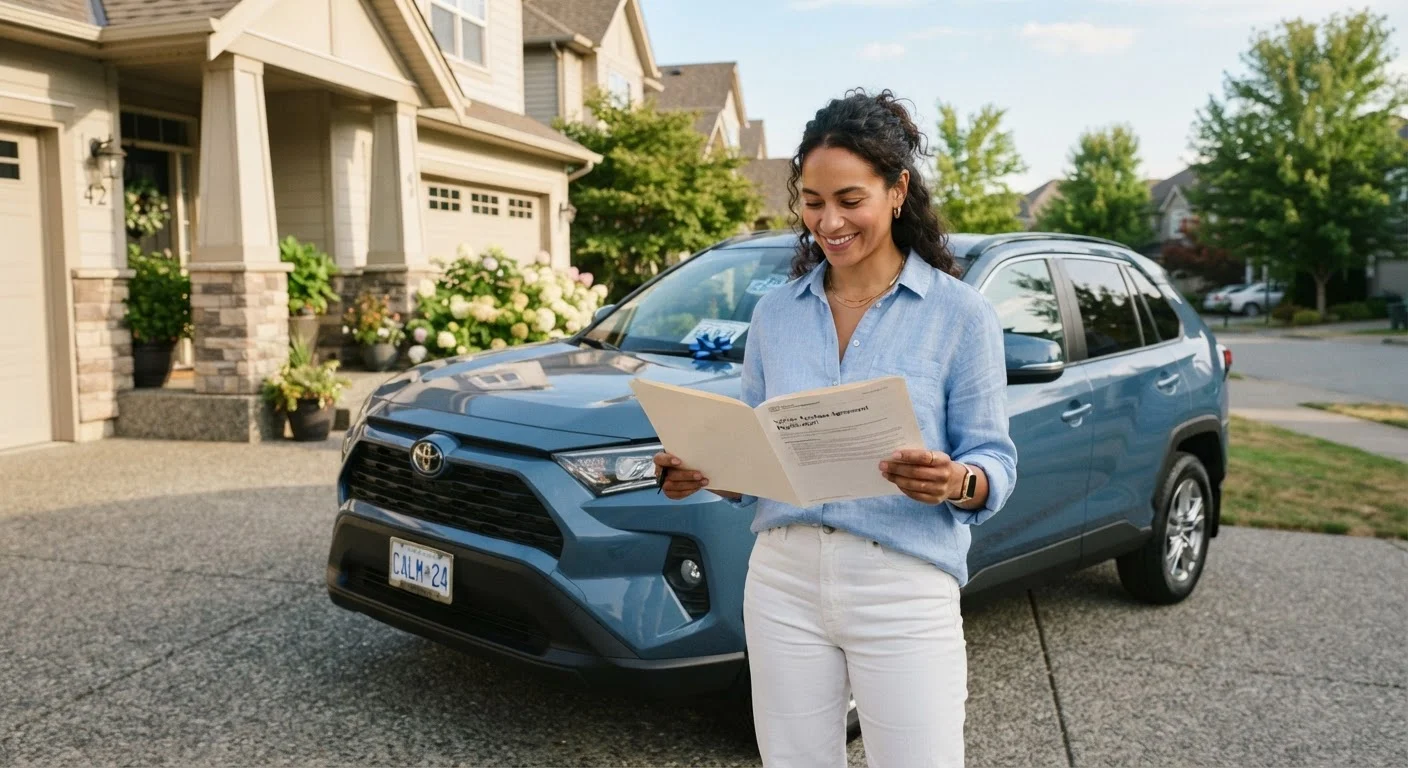
The Paperwork That Comes First
Before you merge onto a highway, a few legal boxes need to be checked. Two documents sit at the top of that list: your vehicle title and your registration. They're not the same thing, and both matter. Understanding what each one means can save you real headaches at the DMV or during a traffic stop.
The title establishes legal ownership of the vehicle. If you financed the purchase, the lender is typically listed on the title until you pay off the loan. The registration is what authorizes you to operate that specific vehicle on public roads - it requires renewal (usually annually) and often involves a fee tied to your state and vehicle type.
If you bought from a dealership, they typically handle the title transfer and initial registration paperwork. If you bought privately, you'll need to visit your state's DMV to complete the transfer yourself. Keep your registration and proof of insurance in the vehicle at all times.
Vehicle Title
A legal document that identifies who owns a vehicle. When you buy a car, the title is transferred to your name - or to you and your lender jointly if you financed the purchase.
Vehicle Registration
A state-issued document that authorizes you to operate a specific vehicle on public roads. It must be renewed periodically, typically every one to two years, and requires a fee.
Liability Insurance
A type of auto insurance that pays for damage or injuries you cause to other people or their property in an accident. Most states require a minimum amount by law.
Deductible
The amount you pay out of pocket before your insurance kicks in for a covered claim. A higher deductible generally means a lower premium, and vice versa.
Depreciation
The gradual decrease in a vehicle's market value over time. It happens to every vehicle and represents a real ownership cost, even when nothing breaks or goes wrong.
Comprehensive Coverage
Optional auto insurance that covers damage to your vehicle from events other than collisions - such as theft, vandalism, weather events, or hitting an animal.
Auto Insurance: What You're Required to Have
Almost every state requires drivers to carry at least liability insurance - coverage that pays for damage or injuries you cause to others in an accident. The minimum required amounts vary by state, and meeting the legal minimum doesn't necessarily mean you're fully protected.
Beyond liability, common coverage types include collision (repairs your car after an accident), comprehensive (covers theft, weather, and non-collision events), and uninsured/underinsured motorist coverage. Understanding what each does - and what it doesn't cover - is essential before you sign a policy. A plain-language breakdown of auto insurance can help you read the fine print with confidence.
Get Insurance Quotes Before You Finalize the Purchase
Insurance premiums vary significantly depending on the vehicle make, model, your driving history, and where you live. Getting quotes on the specific vehicle you're considering - before you buy - can reveal meaningful cost differences and prevent surprises on your first bill.
This article provides general educational information about auto insurance. Coverage requirements, terms, and eligibility vary by state and provider. Consult a licensed insurance agent for advice specific to your situation.
Routine Maintenance You Can't Skip
A car is a mechanical system, and mechanical systems need upkeep. Neglecting maintenance doesn't just risk a breakdown - it can turn a $50 problem into a $500 one. The owner's manual that came with your vehicle is the most reliable guide to what's needed and when.
- Oil and filter changes: Engine oil lubricates moving parts and degrades over time. Change intervals depend on your vehicle and oil type - check your manual.
- Tire rotation and pressure: Uneven wear shortens tire life. Rotating tires every 5,000-7,500 miles (or per manufacturer guidance) and keeping them properly inflated improves both safety and fuel economy.
- Brake inspection: Brakes wear down gradually. Squealing or grinding sounds are signals to have them checked by a qualified mechanic promptly.
- Fluid checks: Coolant, brake fluid, transmission fluid, and windshield washer fluid all need periodic attention.
- Air filter replacement: A clogged air filter reduces engine efficiency. It's typically an inexpensive fix.
Several widely believed car maintenance myths lead drivers to spend unnecessarily or skip genuinely important tasks - it's worth knowing which is which.
Understanding the True Cost of Ownership
The sticker price - or your monthly loan payment - is just one piece of what owning a car actually costs. New owners are often caught off guard by expenses that don't show up in the purchase negotiation.
Annual ownership costs that drivers frequently underestimate include fuel, insurance premiums, registration renewal fees, scheduled maintenance, unexpected repairs, and depreciation. Depreciation - the drop in your vehicle's market value over time - is real money lost even when nothing breaks.
Building a simple monthly budget that accounts for these ongoing costs puts you in a much stronger financial position than planning only around the loan payment. A general rule of thumb: the less you owe on your vehicle relative to its value, the more financial flexibility you have.
Auto Insurance Guide
A hub of plain-language explanations covering auto insurance types, coverage terms, and what American drivers need to understand before choosing a policy.
Buying & Selling Cars
Practical, unbiased guidance on navigating the car buying and selling process - from budgeting and terminology to what to expect at the dealership.
What to Do When Something Goes Wrong
Even careful drivers deal with flat tires, dead batteries, and fender-benders. Knowing what to do in the moment matters - both for your safety and your financial protection.
After any accident, however minor: check for injuries first, then move to safety if possible. Call police if the situation warrants it, exchange insurance and contact information with all parties, and document the scene with your phone camera before vehicles are moved. Notify your insurer promptly. A step-by-step guide for minor accidents walks through the process clearly.
For mechanical breakdowns, roadside assistance - whether through your insurer, an auto club membership, or a manufacturer program - can be worth having before you need it. Keep your vehicle's owner's manual in the glove box: it includes guidance on warning lights, towing limits, and basic troubleshooting.
If you haven't yet purchased a vehicle and are still in the planning stage, a complete car-buying guide for beginners is a practical place to begin. And for a fuller picture of everything ownership involves, this end-to-end overview of vehicle ownership covers the full lifecycle from day one forward.