
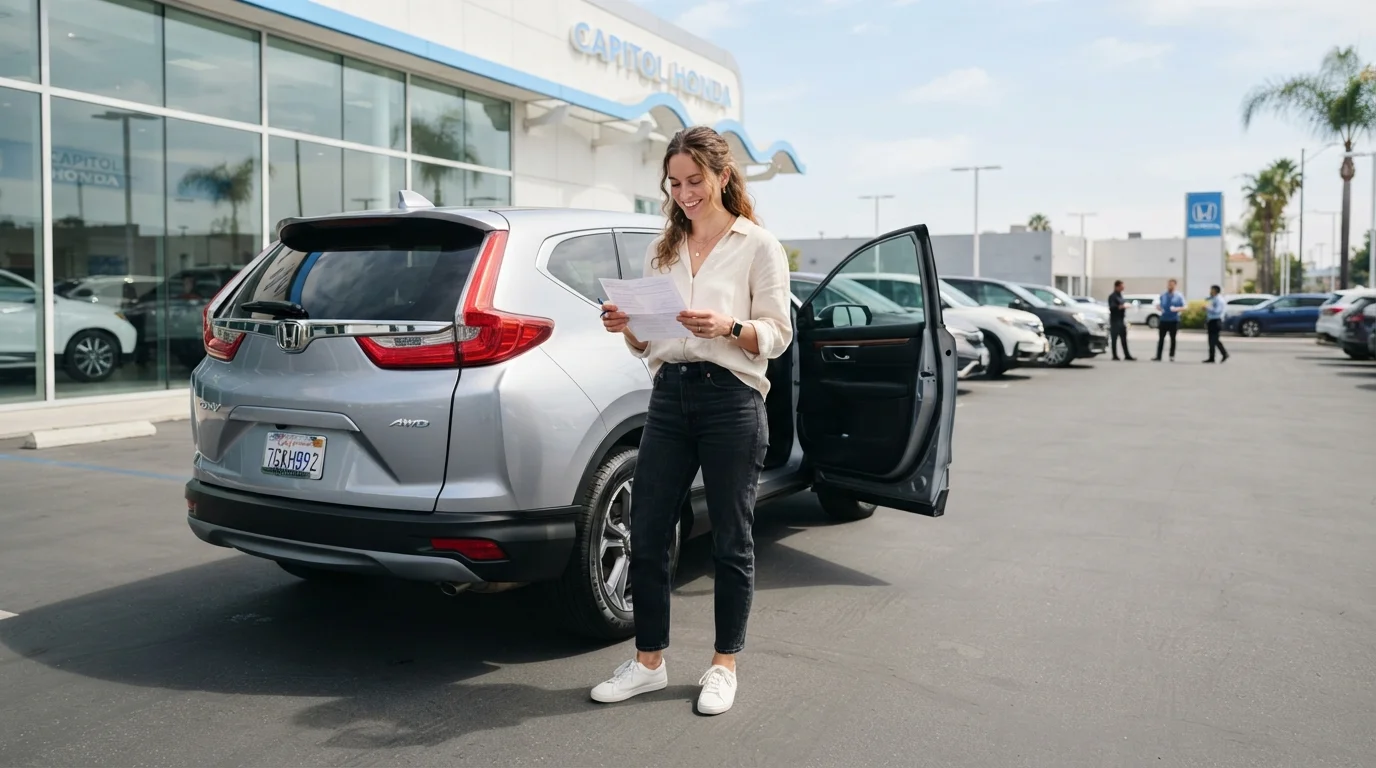
Set Your Budget Before You Shop
The most important step in buying a car happens before you ever set foot in a dealership: knowing what you can actually afford. This means more than the sticker price.
Your real cost of ownership includes the down payment, monthly loan payments (if financing), sales tax, title and registration fees, auto insurance, fuel, and routine maintenance. Skipping any of these is one of the most common ways first-time buyers end up financially stretched. Our guide on why first-time buyers overpay walks through the financial missteps in more detail.
A practical starting point: look at your monthly take-home pay and figure out what percentage you can realistically allocate to transportation. Factor in your existing obligations - rent, utilities, student loans - before arriving at a vehicle budget. The budgeting basics hub offers straightforward guidance if you need help building that picture.
Get Pre-Approved Before You Shop
Securing a loan offer from your bank or credit union before visiting dealerships gives you a concrete benchmark. You'll know your rate, your limit, and you won't have to rely solely on whatever financing the dealer presents. This single step helps keep the conversation focused on the vehicle's price rather than your monthly payment.
Getting pre-approved for an auto loan through your bank or credit union before visiting dealerships is one of the most useful things you can do. It tells you exactly what loan terms you qualify for and gives you a clear ceiling to shop within.
New vs. Used: What's the Real Difference?
Both new and used cars can be sensible choices - what matters is understanding the trade-offs honestly.
New cars come with full manufacturer warranties, no prior ownership history to worry about, and access to the latest safety features. The downside: they cost more upfront and depreciate (lose value) quickly in the first few years.
Used cars are typically less expensive and depreciate more slowly, which can mean better value over time. The trade-off is that you're buying a vehicle with a history. A vehicle history report and a pre-purchase inspection by an independent mechanic are both worth doing before committing.
Certified Pre-Owned (CPO) vehicles are used cars that have been inspected and reconditioned to meet manufacturer standards, with some warranty coverage added. This can be a middle ground, though coverage specifics vary - read the terms carefully. For a fuller breakdown, see common car buying myths, including what CPO actually guarantees.
Understanding the Buying Process
Buying a car involves several distinct stages, and knowing what to expect at each one keeps you in control.
- Research: Identify what type of vehicle fits your needs - sedan, SUV, truck, etc. - and narrow down a realistic price range based on your budget.
- Financing: Apply for pre-approval through your bank or credit union. Know your interest rate, loan term options, and total repayment amount before engaging a dealer's finance office.
- Test drive: Drive the vehicle under real conditions - highway, city, parking. Don't skip this step.
- Negotiate: Focus on the total out-the-door price, not just the monthly payment. These are different numbers, and conflating them is a common pitfall.
- Review and sign: Read the entire contract before signing. Verify that the figures match what was verbally agreed. Ask questions about anything unclear.
For a thorough walkthrough of each stage, The Full Arc of Buying a Car covers the process from research to driving home.
Don't Focus Only on Monthly Payments
A dealer can make almost any car seem affordable by stretching the loan term - 72 or 84 months instead of 48 or 60. A lower monthly payment over a longer term often means you pay significantly more in total interest and may owe more than the car is worth for much of the loan. Always ask for the total cost of the loan, not just the monthly figure.
Key Terms You'll Encounter
Car buying comes with its own vocabulary. Understanding these terms before you sit down with a salesperson or finance manager prevents confusion and keeps you from agreeing to something you didn't intend to.
Sticker price (MSRP)
The Manufacturer's Suggested Retail Price displayed on the vehicle window. It's a starting point, not necessarily the final price you'll pay.
Out-the-door price
The total amount you'll actually pay, including the vehicle price, taxes, registration fees, and any dealer charges. This is the number that matters most when comparing offers.
APR
Annual Percentage Rate - the yearly cost of borrowing money expressed as a percentage. A lower APR means you pay less interest over the life of your loan.
Down payment
The amount of money you pay upfront when purchasing the vehicle. A larger down payment reduces how much you need to borrow and can lower your monthly payments.
Depreciation
The decline in a vehicle's value over time. New cars typically depreciate fastest in the first few years of ownership.
Pre-approval
A lender's conditional commitment to loan you up to a certain amount at a specified interest rate, based on a review of your credit and finances. Useful to have before shopping.
Dealer documentation fee
A fee charged by the dealership for processing paperwork on your purchase. The amount varies by dealer and is sometimes negotiable.
When in doubt, ask for a written explanation of any charge or term you don't recognize. You are entitled to understand every line before signing.
What Comes After You Buy
The purchase is just the beginning. From the moment you drive off the lot, a set of ongoing responsibilities kicks in.
Insurance must be active before you operate the vehicle - every state requires at minimum liability coverage. Contact a licensed insurance agent ahead of time to understand what coverage levels make sense for your situation. Rates, coverage types, and minimums vary by state, so read your policy carefully.
Registration is required in your state, typically within a set number of days of purchase. The dealer may handle initial paperwork, but renewals are your responsibility going forward.
Maintenance - oil changes, tire rotations, fluid checks - keeps the vehicle reliable and your warranty valid. Skipping scheduled service can void coverage and lead to expensive repairs.
For a practical overview of everything that comes with owning a vehicle, start with what every new car owner should know. The Car Ownership Basics hub is also a useful ongoing reference as questions come up.
This article is for general informational and educational purposes only and does not constitute financial, legal, or insurance advice. Coverage requirements, financing terms, and fees vary by state and individual circumstance. Consult a licensed professional for guidance specific to your situation.