
More Than a Shot: What the Exam Actually Involves
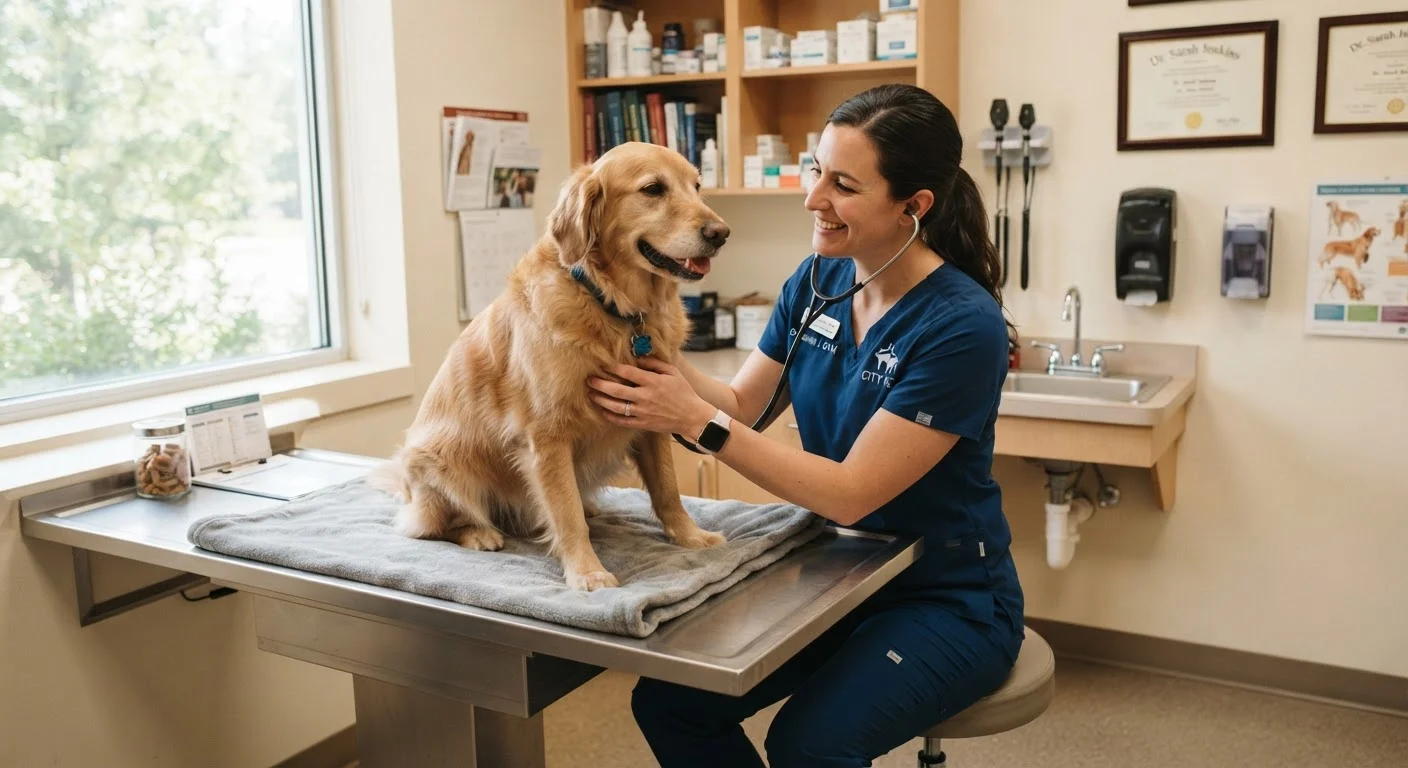
Many pet owners think of the annual vet visit primarily as a vaccine appointment. In reality, vaccinations are just one component of a much more thorough evaluation. A wellness exam is a structured, systematic physical assessment designed to evaluate your pet's overall health from nose to tail.
The exam typically begins with a review of your pet's weight and body condition score — a standardized scale vets use to assess whether your pet is at a healthy weight, underweight, or overweight. From there, the veterinarian works through each body system:
- Eyes and ears: Checked for signs of infection, inflammation, discharge, or structural changes.
- Mouth and teeth: Evaluated for tartar buildup, gum disease, broken teeth, and oral tumors — dental disease is one of the most commonly diagnosed conditions in adult pets.
- Skin and coat: Assessed for parasites, hot spots, lumps, unusual odors, or coat quality changes that may signal nutritional or hormonal issues.
- Heart and lungs: Listened to with a stethoscope for murmurs, arrhythmias, or abnormal breath sounds.
- Abdomen: Palpated to feel organ size and detect pain, masses, or fluid accumulation.
- Lymph nodes and joints: Checked for swelling, pain, or reduced mobility.
This head-to-tail approach helps vets build a comprehensive health picture — and compare it against your pet's own history year over year.
~70%
Adult pets with some form of dental disease
The American Veterinary Medical Association notes that dental disease is among the most prevalent conditions identified during routine wellness exams in dogs and cats over three years old.
2x
Recommended exam frequency for senior pets
Most veterinary guidelines recommend twice-yearly wellness exams for pets considered senior — generally seven years and older — due to the accelerated pace of age-related health changes.
Early detection
Primary benefit of annual bloodwork screening
Routine bloodwork during wellness visits can identify organ dysfunction, metabolic conditions, and other internal changes before visible symptoms develop, according to veterinary preventive care principles.
Diagnostic Testing: When the Exam Goes Deeper
A physical exam alone can only reveal so much. That's why annual wellness visits frequently include — or prompt the recommendation of — laboratory diagnostics, especially as pets age.
Bloodwork (complete blood count and chemistry panel) can detect anemia, infection, diabetes, liver or kidney dysfunction, and thyroid imbalances before clinical signs appear. For pets over seven years old, this type of screening is often considered a standard part of preventive care.
Urinalysis helps evaluate kidney function and can identify urinary tract infections, crystals, or early kidney disease — conditions common in older cats in particular.
Fecal testing screens for intestinal parasites including roundworms, hookworms, whipworms, and Giardia — some of which can be transmitted to humans. Even indoor pets can be exposed through contaminated soil or insects.
Heartworm testing is recommended annually for dogs in most parts of the United States, since prevention medications work best when the pet is confirmed negative before each refill.
Write Down Your Observations Before the Visit
Appointment time goes quickly, and it's easy to forget what you meant to mention once you're in the exam room. Jot down any changes in your pet's habits, appetite, weight, or behavior in the days before the visit. Even small details — like drinking more water than usual or sleeping in a new spot — can be meaningful to your veterinarian.
Understanding what these tests reveal — and why they're recommended — helps you make confident, informed decisions alongside your vet rather than feeling surprised by the cost or scope of a recommended workup.
The Conversation Component: What Vets Want to Know From You
A wellness exam isn't one-directional. Veterinarians depend heavily on what owners observe at home, since animals can't self-report. Your observations about changes in appetite, water intake, bathroom habits, energy levels, sleep patterns, or behavior are clinically valuable.
Come prepared with answers to common questions your vet is likely to ask:
- Has your pet's appetite or thirst changed?
- Any vomiting, diarrhea, or changes in stool consistency?
- Have you noticed limping, stiffness, or reduced activity?
- Any new lumps, bumps, or skin changes?
- Has your pet's behavior or temperament shifted recently?
If your pet experiences anxiety around vet visits, those behavioral signals can affect the exam's accuracy — a stressed animal may have an elevated heart rate or react defensively during palpation. Our guide on preparing your pet for a vet visit without the stress offers practical steps to help before you even walk through the door.
“The annual wellness exam is our most powerful tool for keeping pets healthy longer. It's not just about what we find — it's about establishing a baseline so we can recognize when something has changed.”
— A practicing small animal veterinarian, General practice veterinarian with over 15 years of clinical experience
The exam is also an ideal time to discuss diet, exercise, dental care at home, and any life stage transitions — such as moving from adult to senior care protocols. Your vet may recommend adjustments to food, supplementation, or activity based on what the exam reveals.
For a broader view of what preventive vet care covers across your pet's life, see what veterinary preventive care actually covers. And between visits, the annual pet health checklist can help you track changes worth bringing to your vet's attention.
This article is for general informational purposes only and does not constitute veterinary advice. Always consult a licensed veterinarian for guidance specific to your pet's health.