
The Wellness Exam: Where Preventive Care Begins
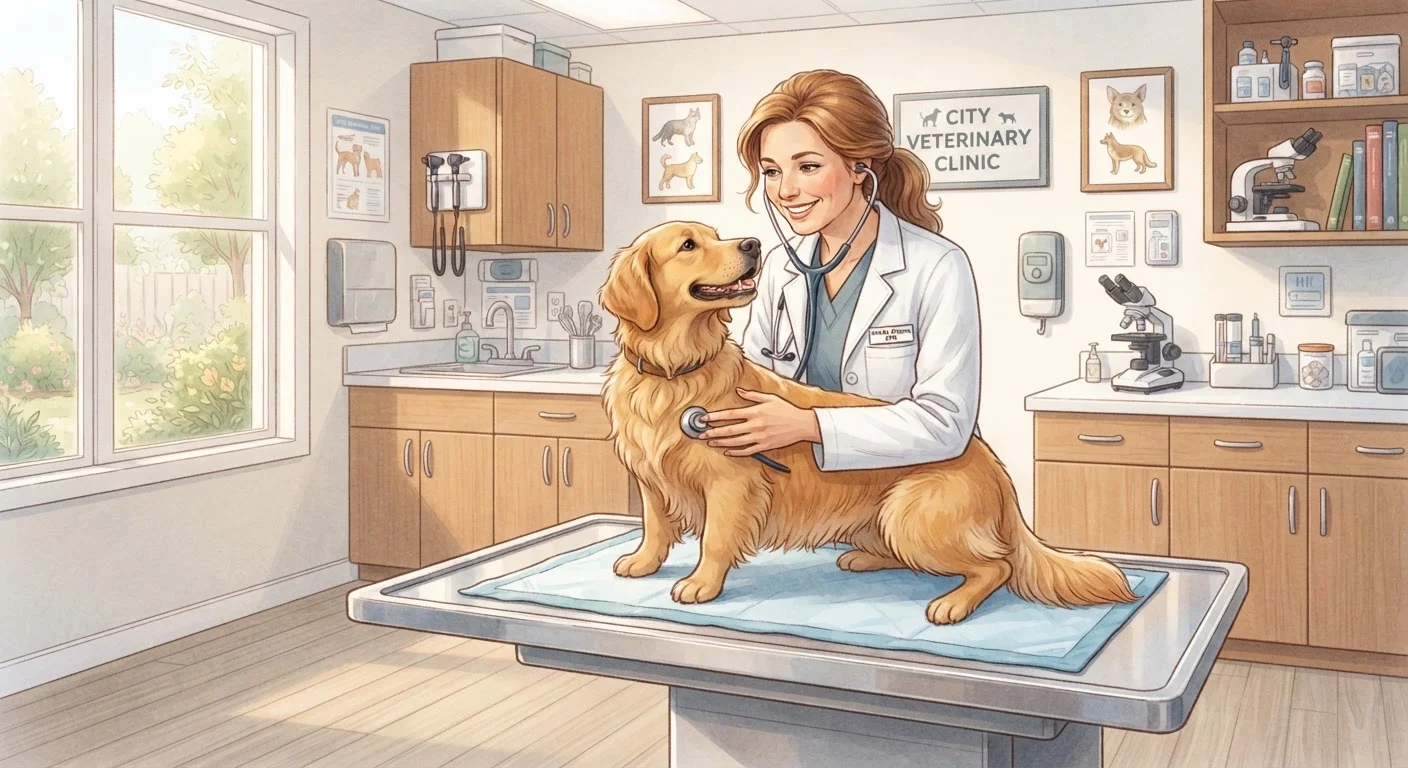
At the heart of every preventive care visit is the physical wellness exam. Your veterinarian systematically evaluates your pet from nose to tail — checking body weight, muscle condition, eyes, ears, teeth, heart and lung sounds, lymph nodes, skin, coat, and abdomen. This hands-on assessment takes only minutes but reveals a remarkable amount of information.
A wellness exam also creates a documented baseline for your individual pet. Changes in heart sounds, subtle weight loss, or early dental tartar that might seem minor in isolation become meaningful when compared to prior visit records. Owners are often surprised to learn that a pet who seems perfectly healthy has developed early-stage dental disease or a heart murmur that warrants monitoring.
See our annual pet health checklist for the signs and measurements worth tracking at home between visits — it pairs directly with what your vet documents at each exam.
Bring Notes to Every Wellness Visit
Before your appointment, jot down any behavioral changes, shifts in appetite or water intake, changes in elimination habits, or physical changes you've noticed — even if they seem minor. These observations give your veterinarian crucial context that a physical exam alone cannot provide.
Vaccinations: Core and Non-Core Explained
Vaccines are among the most effective tools in preventive medicine. They are categorized as core or non-core. Core vaccines are recommended for virtually all pets regardless of lifestyle because they protect against serious, highly contagious, or zoonotic (transmissible to humans) diseases. Non-core vaccines are selected based on an individual animal's risk factors.
- Core vaccines for dogs typically include rabies, distemper, parvovirus, and adenovirus (often combined in one injection).
- Core vaccines for cats typically include rabies, feline herpesvirus, calicivirus, and panleukopenia.
- Non-core examples include Bordetella (kennel cough), leptospirosis, Lyme disease, feline leukemia virus, and canine influenza — all selected based on exposure risk.
Vaccine schedules are not one-size-fits-all. A veterinarian will review your pet's history and environment to recommend an appropriate protocol. This is general information; always follow your vet's personalized guidance.
~70%
Dogs with periodontal disease by age 3
Frequently cited in veterinary dental guidelines, emphasizing how early dental disease begins in companion animals.
1 in 100
Dogs test heartworm-positive annually in U.S.
According to American Heartworm Society data, heartworm is diagnosed across all 50 states, underscoring year-round prevention importance.
Early detection
Key benefit of routine senior bloodwork
Veterinary internists consistently note that identifying kidney or thyroid disease before symptoms appear significantly improves management options.
Parasite Prevention: A Year-Round Commitment
Parasite prevention is a non-negotiable part of preventive care for most pets in the United States. Parasites cause direct harm to pets and some — like roundworms and certain tick-borne diseases — can affect human family members as well.
The four main categories to address are:
- Fleas: Can cause severe itching, allergic dermatitis, and transmit tapeworms. Prevention is far easier than treating an established infestation.
- Ticks: Vectors for Lyme disease, Rocky Mountain spotted fever, and other illnesses. Risk varies significantly by region.
- Heartworm: A mosquito-transmitted parasite that lives in the heart and lungs; prevention is simple, but treatment — if the disease progresses — is intensive and expensive.
- Intestinal parasites: Roundworms, hookworms, whipworms, and giardia are detected through annual fecal testing and treated accordingly.
For a detailed breakdown of each threat and how prevention strategies differ, see parasite prevention from nose to tail.
Dental Care and Routine Lab Work
Dental disease is one of the most common — and most preventable — conditions seen in companion animals. Studies referenced by veterinary organizations suggest that most dogs and cats show signs of periodontal disease by age three. Left unaddressed, bacteria from the mouth can enter the bloodstream and contribute to organ stress over time.
Professional dental cleanings performed under anesthesia allow veterinarians to clean below the gumline, probe for pockets of infection, and take dental X-rays. This is distinct from cosmetic teeth brushing, which supports home hygiene but cannot substitute for professional care. Home brushing, however, significantly extends the time between necessary cleanings.
Routine lab work — typically bloodwork and urinalysis — rounds out comprehensive preventive care. These tests screen for conditions that are clinically silent in early stages: kidney disease, liver dysfunction, thyroid imbalance, diabetes, and early anemia. Establishing reference values while a pet is healthy makes it far easier to identify when values drift toward concern.
Preventive Care Schedules Vary by Life Stage
Puppies and kittens require a series of vaccines and more frequent fecal checks during their first year. Adult pets generally follow annual schedules. Senior pets — typically those over 7 for dogs, 10 for cats — often benefit from twice-yearly visits and expanded lab panels. Ask your vet which schedule applies to your pet's current life stage.
For the full picture of pet health, preventive care works best alongside daily habits at home. Learn which routines matter most in our guide to home care habits that make the biggest difference.
This article is for general informational purposes only and does not constitute veterinary medical advice. Always consult a licensed veterinarian for guidance specific to your pet's health needs.