
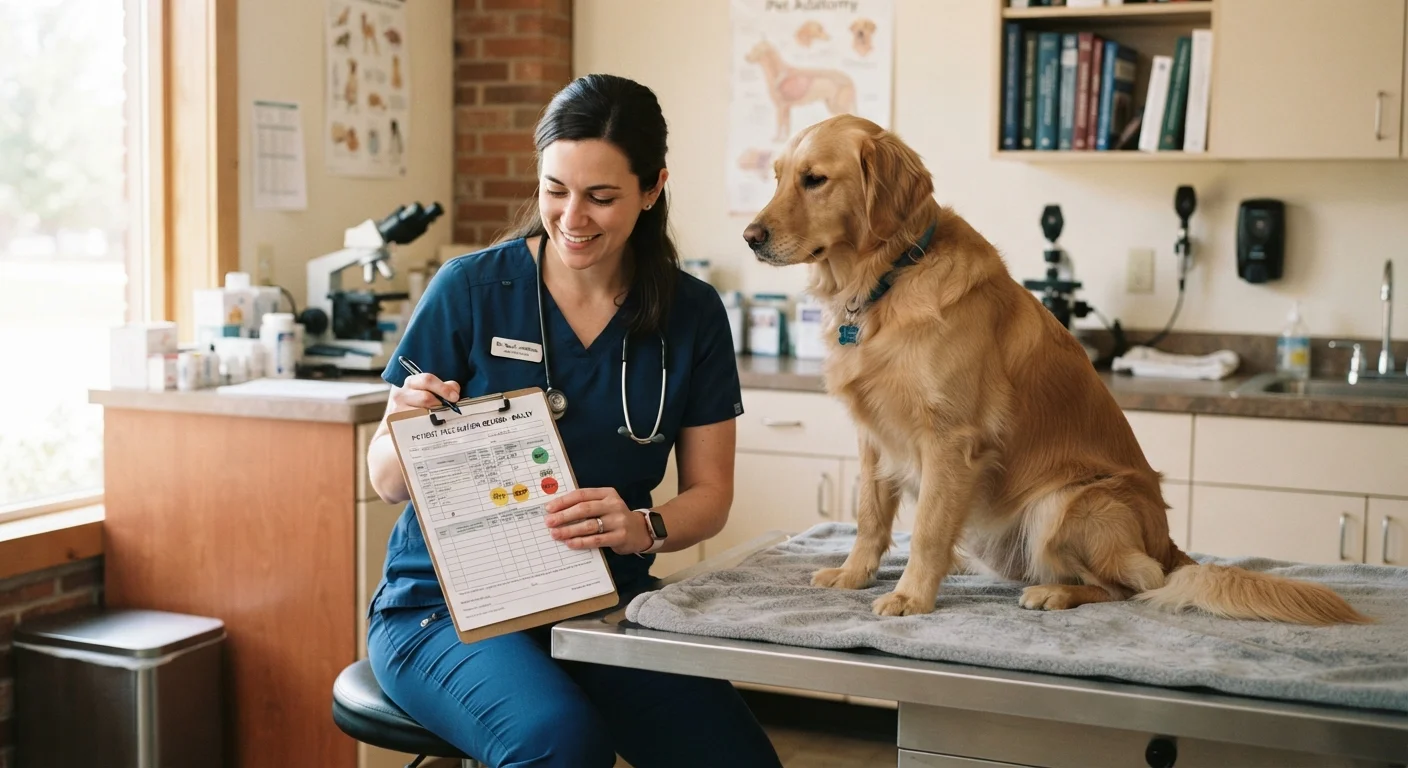
What Makes a Vaccine 'Core' or 'Non-Core'?
The distinction between core and non-core vaccines isn't arbitrary — it's built on decades of veterinary science and updated regularly by professional bodies including the American Animal Hospital Association (AAHA) and the American Veterinary Medical Association (AVMA).
Core vaccines are those recommended for every pet of a given species, regardless of lifestyle. They protect against diseases that are either highly contagious, severe, potentially fatal, or pose a risk to human health (zoonotic). For dogs, core vaccines typically include distemper, parvovirus, adenovirus, and rabies. For cats, the core set generally covers panleukopenia (feline distemper), feline herpesvirus-1, feline calicivirus, and rabies. Rabies vaccination is also a legal requirement in most U.S. states for both dogs and cats.
Non-core vaccines, by contrast, are given only when a specific pet has a meaningful risk of exposure. These vaccines are not inappropriate or unnecessary by default — they're simply targeted. Whether a vet recommends them depends on a careful evaluation of the individual animal.
| Criterion | Core Vaccines | Non-Core Vaccines |
|---|---|---|
| Who receives them | All pets of that species | Pets with specific risk factors |
| Basis for recommendation | Universal disease severity or zoonotic risk | Lifestyle, geography, exposure risk |
| Examples (dogs) | Distemper, parvovirus, rabies | Bordetella, Lyme, leptospirosis, influenza |
| Examples (cats) | Panleukopenia, herpesvirus-1, rabies | FeLV, Chlamydia felis, Bordetella |
| Legal requirement | Rabies required in most U.S. states | Not legally mandated |
| Reassessed annually? | Yes — timing and boosters reviewed | Yes — need may change year to year |
Understanding this framework helps pet owners participate more meaningfully in conversations with their vet, rather than passively accepting or questioning every recommendation. As part of a broader preventive strategy, vaccines fit into the complete picture described in our guide on what veterinary preventive care actually covers.
How Vets Assess Individual Risk
When a vet recommends a non-core vaccine — or decides one isn't needed — they're weighing several overlapping factors. This process is sometimes called a lifestyle risk assessment, and it's one of the key activities during a wellness exam.
50+
U.S. states requiring rabies vaccination
Rabies vaccination is mandated by law in nearly every U.S. state for both dogs and cats, reflecting its zoonotic severity.
~30%
Dogs boarded or kenneled annually in the U.S.
A significant portion of pet dogs have social exposure that elevates their risk profile for respiratory pathogens, according to veterinary industry estimates.
- Environment and geography: A dog in the rural Southeast faces different tick-borne disease risks than one in an urban high-rise apartment. Leptospirosis risk is higher in areas with standing water and wildlife contact. Lyme disease vaccines are most relevant in regions where the deer tick (Ixodes scapularis) is endemic.
- Social exposure: Pets that board frequently, visit dog parks, attend training classes, or interact with other animals have higher exposure risk for respiratory pathogens like Bordetella bronchiseptica (kennel cough) or canine influenza.
- Age and immune status: Very young, elderly, or immunocompromised animals may have different responses to vaccination and require adjusted timing or types of vaccines.
- Travel history: Pets traveling across state lines or to areas with different disease profiles may need additional coverage.
This assessment is revisited at each annual visit — which is one reason what your pet's annual wellness exam actually covers goes well beyond a simple physical checkup. A pet's risk profile can change significantly from year to year.
Vaccine Guidelines Are Regularly Updated
Professional organizations like the AAHA update their canine and feline vaccine guidelines periodically as new research emerges. A protocol that was appropriate three years ago may have since been refined. This is another reason annual wellness visits matter — your vet stays current with these updates so your pet's protocol reflects the best available evidence.
Staying on top of these conversations — and tracking changes in your pet's routine — is something you can actively support. Our annual pet health checklist gives you a practical framework for monitoring health shifts between appointments.
What Pet Owners Often Get Wrong About Vaccines
A few common misunderstandings can lead pet owners to either over-rely on vaccines or unnecessarily avoid them. Getting clarity on these helps you advocate for your pet more effectively.
"If it's non-core, it's optional and probably unnecessary." Not so. Non-core simply means the benefit isn't universal. For a dog that boards monthly, Bordetella vaccination may be just as important in practice as any core vaccine. The label reflects population-level guidance, not individual importance.
"My indoor cat doesn't need the rabies vaccine." In most U.S. states, rabies vaccination is legally required for cats regardless of lifestyle — and with good reason. Rabies is invariably fatal in unvaccinated animals and is transmissible to humans. An indoor cat that escapes, is exposed to a bat indoors, or has a veterinary emergency still faces meaningful legal and health consequences without this protection.
"More vaccines are always better protection." Vaccination guidelines exist precisely to avoid over-vaccination. Giving vaccines a pet doesn't need adds unnecessary cost and, in rare cases, a small risk of adverse reaction without any offsetting benefit. This is a nuanced area worth discussing openly with your vet — not something to self-direct based on general advice. Our article on common pet health myths vets want to correct explores similar misconceptions in depth.
The right vaccine protocol is one built specifically for your animal, updated regularly, and grounded in current evidence. If you're ever unsure why a vaccine is or isn't being recommended, asking your vet to walk you through their reasoning is always appropriate — and a good vet will welcome the question.
This article is for general educational purposes only and is not a substitute for professional veterinary advice. Always consult a licensed veterinarian for guidance specific to your pet's health and vaccine needs.