
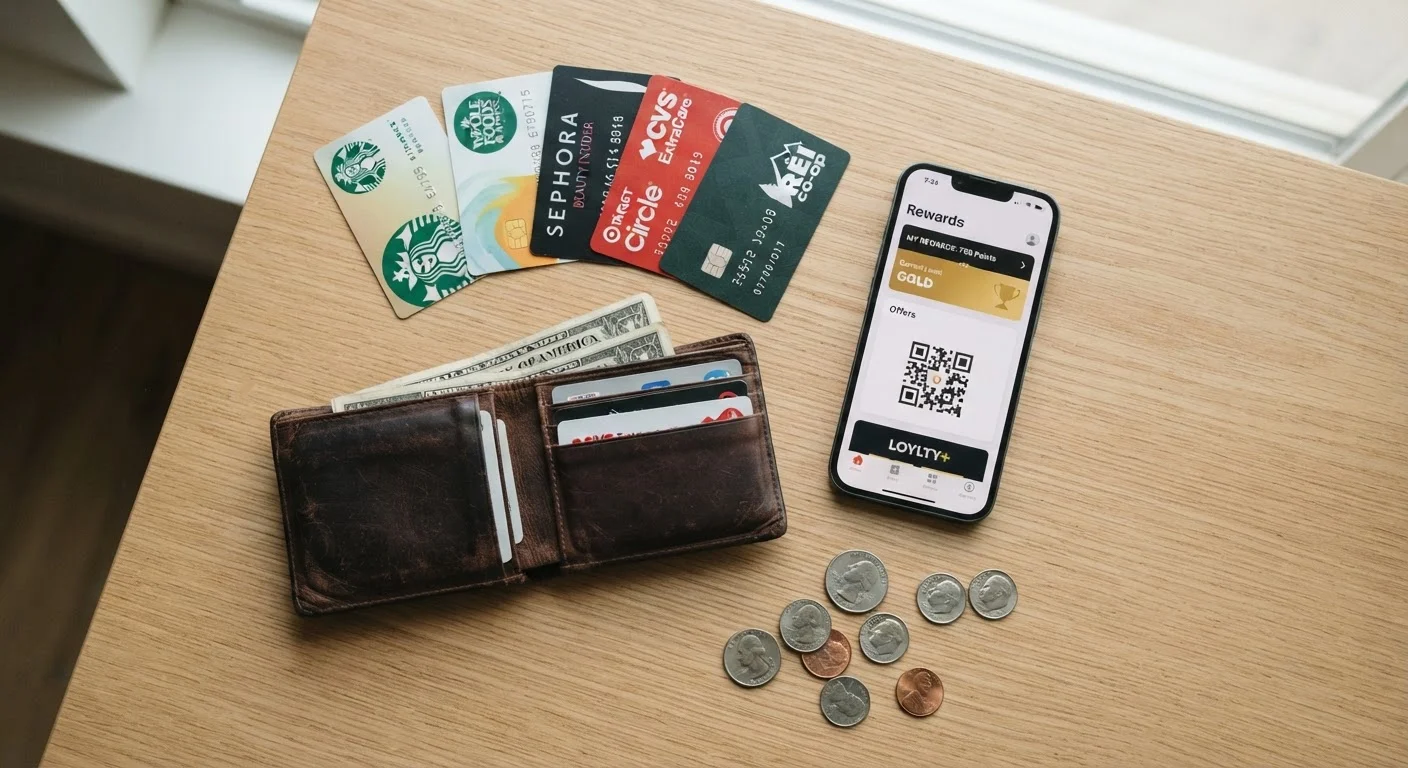
How Loyalty Programs Are Structured
Most loyalty programs fall into one of three basic models, each with a different value proposition and a different set of trade-offs for the consumer.
- Points-based programs award a set number of points per dollar spent. Points accumulate in an account and can be redeemed for discounts, products, or experiences. The complexity here is that point values are not fixed - the same 1,000 points might get you $5 off one redemption category or $8 off another.
- Tiered programs segment members into status levels based on cumulative spending or activity. Higher tiers unlock better perks: early access, free shipping, or dedicated service. The mechanism is designed to encourage ongoing and increasing spend to maintain or advance status.
- Cashback programs return a percentage of purchases as credit or cash. These are the most transparent structure because the value is expressed in dollars, not a proprietary currency. For a clear-eyed comparison of cashback alongside coupons and promo codes, see our practical field guide.
3.3B+
U.S. loyalty program memberships
According to research from Loyalty One and related industry analyses, American consumers collectively hold billions of loyalty program memberships, though active engagement is a fraction of total enrollment.
~50%
Members who are actively engaged
Industry estimates consistently suggest that roughly half or fewer of loyalty program enrollees actively earn or redeem rewards, meaning many memberships provide no consumer value at all.
$0.005-$0.01
Typical value per point
Points programs commonly assign an implied value in this range per point, though actual redemption value varies by category and can fall below this floor for merchandise redemptions.
What the Business Gets - and What You Give Up
Loyalty programs are not altruistic. Retailers use them to accomplish three things: increase purchase frequency, raise average transaction size, and gather granular consumer behavior data. When you swipe your rewards card, you are exchanging purchase history - what you buy, when, at what price point - for the possibility of future rewards.
That data exchange is worth understanding before you enroll. Programs track not just purchases but browsing behavior, coupon use, and channel preferences. This information informs pricing strategies, personalized promotions, and inventory decisions. None of that is illegal, but it is a real trade-off that rarely appears in the sign-up pitch.
Loyalty Programs and Your Financial Picture
Rewards earned through loyalty programs are generally not considered taxable income in the U.S. when tied to purchase activity, but bonus point offers received as cash equivalents may be treated differently. Tax treatment can vary depending on the program structure and your situation. Consult a qualified tax professional if you have specific questions about rewards and income reporting.
This data dynamic isn't unique to loyalty programs. It applies broadly to consumer accounts and subscription services. Our article on how free trials convert into recurring charges touches on how sign-up flows are designed to capture ongoing value from consumers.
Reading the Fine Print Before You Commit
The terms governing a loyalty program determine whether it delivers real value or quietly erodes it. Key clauses to check before joining:
- Expiration policy: Do points expire after a period of inactivity? Some programs reset your balance if you haven't made a qualifying purchase within 12 months.
- Redemption blackouts: Are there restrictions on when or how points can be used? Blackout dates and category exclusions can limit redemptions significantly.
- Program changes: Most programs reserve the right to alter point values, tier requirements, or benefit structures at any time. Points devaluations - where the same points buy less - are common and rarely publicized prominently.
- Account closure: What happens to your points if you close the account or the program ends? In most cases, accumulated points are forfeited.
Understanding return policies and purchase terms matters in the same way. Our article on how return policies actually work shows how fine print consistently shapes real outcomes for shoppers.
Track Expiration Dates Like a Bill
Set a calendar reminder every six months to log into each loyalty account you hold, check your balance, and note any expiration terms. Treating point balances with the same attention you give to a bill due date prevents you from losing rewards you've legitimately earned.
Using Loyalty Programs Without Letting Them Use You
The most common pitfall is behavioral: spending more than you otherwise would in order to earn rewards or protect tier status. A 5% reward on a purchase you didn't need is still a 95% cost. A few practical principles help keep programs working in your favor rather than the retailer's:
- Enroll only where you already shop regularly. A program only generates net value if the rewards accumulate on spending you would have made anyway.
- Calculate the actual return rate. If a program gives 1 point per dollar and 100 points equals $0.75, the return rate is 0.75% - less than many no-fee cashback cards. Compare before prioritizing one program over another.
- Set a redemption target, then use points. Letting points sit unused creates risk - they can devalue or expire. Redeeming regularly and strategically is more reliable than accumulating large balances.
- Pair programs with your broader shopping strategy. Whether you prefer shopping online or in-store affects which programs offer the most accessible rewards. See our breakdown of online vs. in-store shopping for channel-specific considerations.