
Why "Saving Money" on Supplies Sometimes Isn't
Reaching for the least expensive option on the shelf feels responsible. But with many everyday home supplies, the purchase price is only part of the equation. Durability, performance, and how much product is needed to get the job done all factor into what something actually costs you over time.
This isn't an argument against value shopping - it's an argument for smarter shopping. Understanding which categories tend to punish low-cost choices helps you direct spending where quality genuinely pays off, and save confidently everywhere else. For a broader look at where household budgets quietly leak, see spending categories most budgets overlook.
Buying ultra-cheap cleaning products that require twice the product per use.
Why it happens: Shoppers compare price tags without accounting for concentration or effectiveness. A bottle that costs half as much but requires double the amount per application offers no savings.
Choosing the cheapest air or water filters to reduce household costs.
Why it happens: Filters seem interchangeable, and the price difference between tiers can be significant. It's easy to assume the basic option is adequate.
Purchasing inexpensive hand tools or small appliances that fail within months.
Why it happens: The upfront price is visible; the replacement cost is hypothetical. Buyers underestimate how quickly a poorly made item will need replacing.
Stocking up on low-cost disposable products that perform poorly and get used in larger quantities.
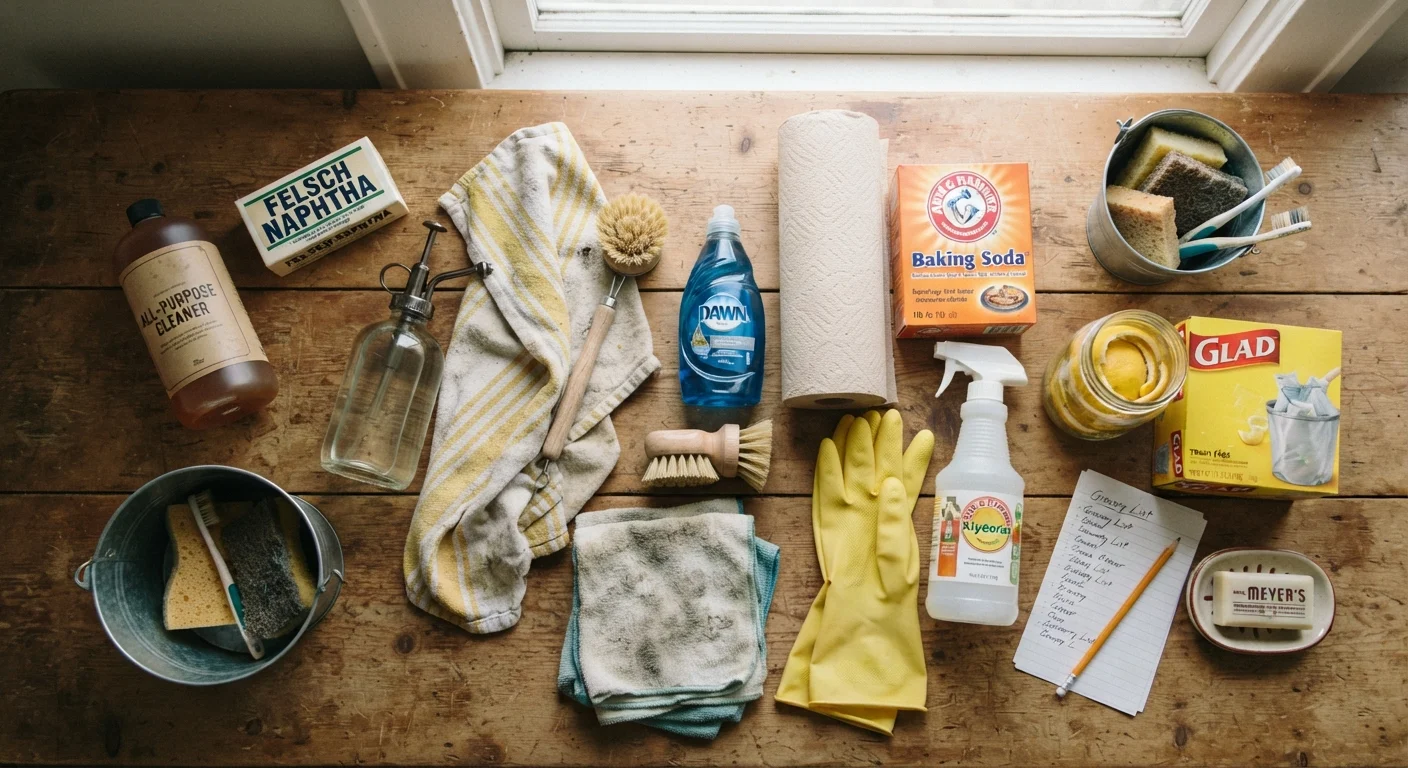
Why it happens: Disposables seem like a safe place to cut costs. In practice, thin paper towels or low-quality trash bags that tear require using more per task.
Assuming bulk quantities of cheap supplies always equal savings.
Why it happens: Buying in bulk feels inherently economical. But bulk purchasing a low-quality item just means owning more of something that underperforms.
How to Shop Smarter Without Overspending
The goal isn't to always buy premium - it's to recognize when a slightly higher upfront cost reliably lowers your total spending. A few practical habits can help.
Calculate cost-per-use, not cost-per-item. A mop that lasts three years costs far less per cleaning session than one replaced every six months, even if it costs twice as much initially.
Track what you're actually replacing. If you can't recall how often you buy something, you can't judge its real cost. A simple household inventory helps surface patterns. Keeping a household inventory is one of the more underused ways to avoid unnecessary purchases.
Separate "low cost" from "low value." Some store-brand or no-frills products perform identically to pricier alternatives - especially in categories like basic cleaning tools or storage containers. Others underperform consistently. Reading reviews that mention durability and long-term use (rather than first impressions) can help distinguish between the two.
Before building out your next shopping run, it's also worth reviewing how to structure a shopping list that keeps you on budget - a small habit that reduces impulse substitutions at the store.
Don't Let Frugality Create New Expenses
Choosing the cheapest option across the board can quietly inflate spending through frequent replacements, wasted product, and in some cases - like undersized trash bags or failing drain strainers - minor household damage. Targeted quality decisions in a few key categories tend to yield better financial outcomes than blanket budget shopping. This is general guidance; your actual savings will depend on usage patterns and the specific products available to you.