
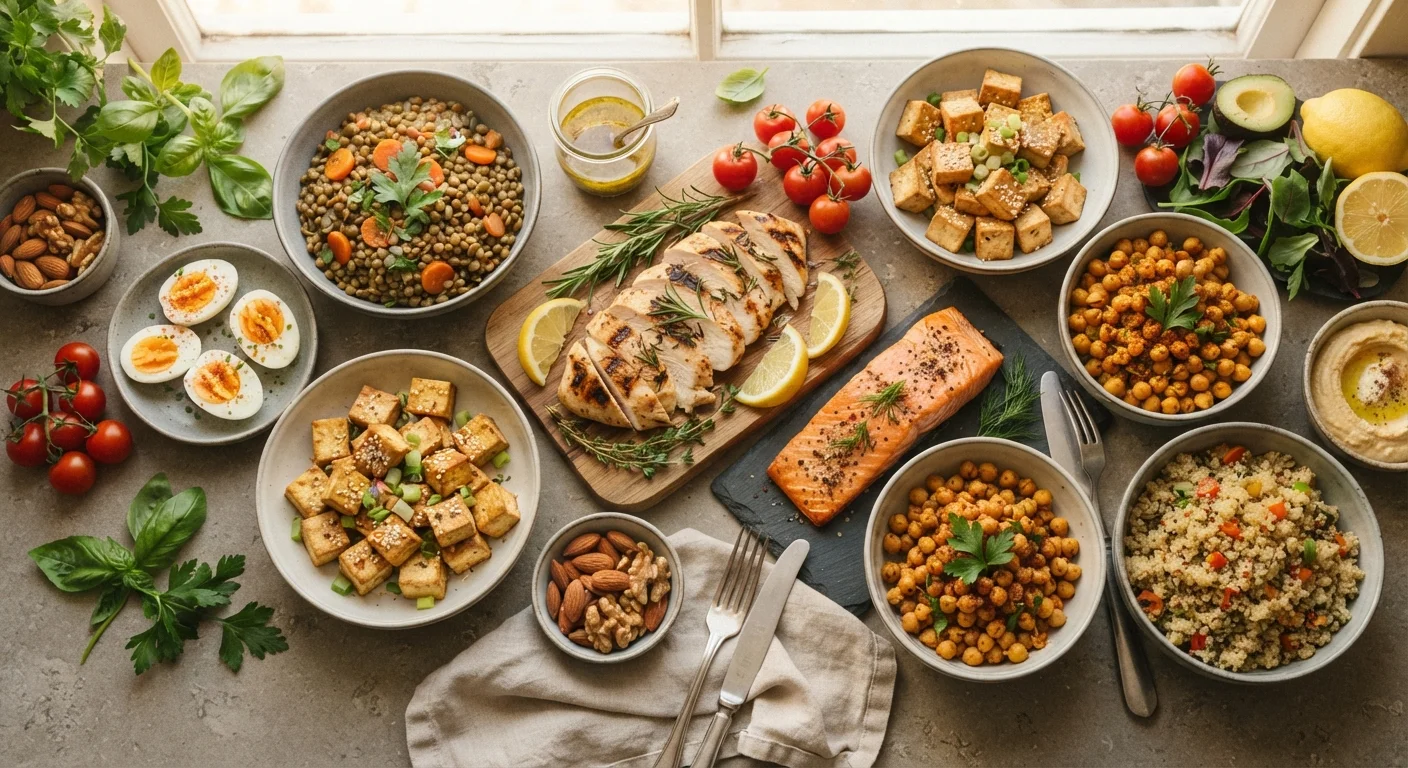
Why Protein Quality Is More Than a Number
When evaluating protein, quantity - grams per serving - is only part of the picture. Quality matters just as much, and it comes down to two core factors: amino acid profile and digestibility.
Proteins are built from 20 amino acids, nine of which are classified as essential because the body cannot manufacture them; they must come from food. A protein source that provides all nine in sufficient amounts is described as a complete protein. Scientists use tools like the PDCAAS and the newer DIAAS to score protein quality by combining amino acid completeness with how well the body actually absorbs and uses those amino acids.
Understanding these concepts helps readers move beyond headline claims and evaluate protein choices more critically - a goal that fits naturally with building a balanced plate overall.
Animal Proteins: Strengths and Considerations
Meat, poultry, fish, eggs, and dairy are all complete proteins with PDCAAS scores at or near the maximum. They are also generally more digestible than plant proteins, meaning a higher proportion of their amino acids reach the bloodstream and become available for muscle repair, enzyme production, and other bodily functions.
Fish - particularly fatty fish - adds the benefit of omega-3 fatty acids alongside protein, a combination prominent in eating patterns like the Mediterranean approach. For more on how fish fits into a daily eating structure, see what the Mediterranean eating pattern actually looks like.
Potential considerations with some animal protein sources include higher saturated fat content in certain red and processed meats, and sodium levels in processed varieties. Current dietary guidance from major health organizations generally recommends emphasizing lean and unprocessed options while limiting processed meats.
| Animal Proteins | Plant Proteins | |
|---|---|---|
| Amino acid completeness | Complete (all 9 essential amino acids) | Often incomplete; soy is a notable exception |
| Digestibility / bioavailability | Generally high (DIAAS near or at 1.0) | Variable; typically lower than animal sources |
| Fiber content | None | Significant in legumes and whole grains |
| Saturated fat | Present in red and processed meats | Generally very low |
| Cost range | Varies widely; meat/fish can be expensive | Legumes and grains are typically low-cost |
| Phytonutrient content | Minimal | Rich in phytonutrients and antioxidants |
| Practical planning needed | Less, given complete amino profiles | More, to ensure amino acid variety |
Plant Proteins: Gaps, Strengths, and Smart Combinations
Legumes (beans, lentils, chickpeas), soy products, whole grains, nuts, and seeds are the primary plant protein sources. Most are considered incomplete proteins - typically low in one or more essential amino acids. Grains tend to be low in lysine; legumes tend to be low in methionine. However, this is not a meal-by-meal concern: eating a variety of plant proteins across the day allows the body to pool amino acids effectively.
Soy is a notable exception - it is a complete protein with a PDCAAS comparable to animal sources, making tofu, tempeh, and edamame particularly useful anchors in plant-forward diets.
Beyond amino acids, plant proteins bring fiber, resistant starch, and a range of phytonutrients that animal proteins lack. These components support gut health and are associated with favorable long-term health outcomes in population research.
Pairing Plants for Complete Amino Acid Coverage
Traditional food cultures figured this out long before nutrition science had the vocabulary: rice and beans, pita and hummus, and lentil soup with whole-grain bread all combine grains (low in lysine) with legumes (low in methionine) to collectively cover the essential amino acid spectrum. You don't need to combine them in one sitting - variety across the day is sufficient for most healthy adults.
Readers curious about how popular diet trends handle plant versus animal protein trade-offs may also find value in reviewing diet trends that quietly undermine nutritional balance.
Practical Factors: Cost, Accessibility, and Lifestyle Fit
Beyond nutrition science, everyday protein decisions involve real-world variables. Dried legumes and whole grains are among the most cost-effective protein sources available. Eggs occupy a middle ground - affordable, versatile, and nutritionally dense. Fresh fish and high-quality cuts of meat represent a higher price point that not all households can sustain regularly.
Eating pattern preferences - whether rooted in culture, ethics, health conditions, or environmental concern - also legitimately shape choices. Neither animal nor plant proteins are categorically superior; the research base supports well-planned diets across a spectrum from omnivorous to fully plant-based when nutritional gaps are addressed.
Those following fitness and exercise goals should be aware that protein timing and total daily intake may matter as much as source - a point worth discussing with a registered dietitian or sports nutritionist for personalized guidance.
When building your weekly grocery list around your protein goals, the practical strategies outlined in grocery shopping habits that support a more nutritious diet can help translate these principles into consistent, actionable decisions at the store.
This article is for general informational and educational purposes only and is not a substitute for personalized medical or nutritional advice. Consult a qualified healthcare provider or registered dietitian for guidance tailored to your individual health needs.