
Why These Gaps Are So Common
Large-scale national surveys, including data collected through the Centers for Disease Control and Prevention's NHANES program, have repeatedly identified a cluster of vitamins and minerals that a substantial portion of Americans do not consume in adequate amounts. These aren't obscure nutrients - they're fundamental to bone health, cardiovascular function, immunity, and energy metabolism.
The shortfalls are largely structural: ultra-processed foods dominate a significant share of the American food supply, and these products are typically low in vitamins, minerals, and fiber even when they are calorie-dense. Restrictive diets that eliminate entire food groups can compound the problem further. As noted in diet trends that quietly undermine nutritional balance, popular eating approaches sometimes cut important food categories without adequately accounting for what's lost.
Understanding which nutrients are most often in short supply - and which everyday foods supply them - is a practical first step toward building more consistent eating habits. The list below focuses on nutrients that national data identifies as widespread concerns, along with accessible food sources for each.
Supplements Are Not a Universal Fix
While supplements can play a role in addressing confirmed deficiencies, they are not a substitute for a varied diet and come with their own considerations - including interactions with medications and the risk of excessive intake for some nutrients. The Dietary Guidelines for Americans recommend meeting nutrient needs primarily through food. Talk with a healthcare provider before starting any supplement regimen.
Six Nutrients Worth Your Attention
Vitamin D
Vitamin D is one of the most consistently under-consumed nutrients in the United States, according to data from the National Health and Nutrition Examination Survey (NHANES). The body can produce vitamin D through sun exposure, but factors like geographic location, skin tone, sunscreen use, and time spent indoors all limit synthesis for many people.
Dietary sources of vitamin D are relatively limited, but they include fatty fish such as salmon, trout, and tuna; egg yolks; and fortified foods like cow's milk, some plant-based milk alternatives, and certain breakfast cereals. Beef liver also contains modest amounts. Because food sources alone rarely meet needs for those with low sun exposure, a healthcare provider may recommend checking serum levels and discussing whether supplementation is appropriate for an individual's circumstances.
Fatty fish, egg yolks, and fortified milk are among the best dietary sources of vitamin D.
Calcium
Calcium is essential for bone integrity, muscle function, and nerve signaling. Despite its prominence in public health messaging, many Americans - particularly adolescent girls, older adults, and those who avoid dairy - do not consistently meet recommended intake levels.
Dairy products remain the most concentrated food sources: milk, yogurt, and cheese each provide substantial calcium per serving. For those who limit or avoid dairy, calcium is also found in fortified plant-based beverages, canned salmon or sardines with bones, firm tofu made with calcium sulfate, and certain leafy greens such as bok choy, kale, and broccoli. It is worth noting that calcium absorption varies by food; spinach and Swiss chard, while nutritious, contain compounds called oxalates that reduce calcium bioavailability.
Dairy, fortified plant beverages, and canned fish with bones are reliable calcium sources.
Potassium
Potassium supports healthy blood pressure, fluid balance, and proper muscle and nerve function. Federal dietary guidelines have identified potassium as a nutrient of public health concern because inadequate intake is widespread, largely due to low consumption of fruits, vegetables, and legumes relative to processed foods.
Excellent food sources include bananas, oranges, cantaloupe, potatoes (with skin), sweet potatoes, white beans, lentils, spinach, and avocados. Dairy foods and fish also provide meaningful amounts. Increasing potassium through whole foods is generally considered safe for healthy adults, though people with kidney disease or those taking certain medications should consult their healthcare provider before making significant dietary changes, as impaired kidneys may not excrete potassium efficiently.
Potatoes, legumes, leafy greens, and fruit are among the richest whole-food potassium sources.
Magnesium
Magnesium participates in more than 300 enzymatic reactions in the body, including energy production, protein synthesis, and blood glucose regulation. Like potassium, magnesium shortfalls are common and closely tied to low intake of whole plant foods. Heavily processed diets tend to be low in this mineral.
Nuts and seeds - particularly pumpkin seeds, almonds, and cashews - are among the richest sources. Whole grains such as oats, brown rice, and whole wheat bread contribute meaningfully, as do legumes, dark leafy greens, and dark chocolate. Because magnesium is found predominantly in plant-based whole foods, diets that restrict grains or limit vegetables tend to fall short. See our discussion of dietary trade-offs for more context on how certain eating patterns affect mineral intake.
Seeds, nuts, whole grains, and legumes are the most magnesium-dense everyday foods.
Iron
Iron is needed for oxygen transport in the blood and energy metabolism. Iron-deficiency anemia remains one of the most common nutritional deficiencies globally, and certain American subgroups - including women of reproductive age, pregnant individuals, infants, and young children - are at elevated risk of inadequate intake.
Iron comes in two forms: heme iron, found in meat, poultry, and seafood (particularly red meat and oysters), is absorbed more efficiently; non-heme iron is present in plant foods like lentils, kidney beans, tofu, fortified cereals, and spinach. Pairing non-heme iron sources with vitamin C-rich foods - such as adding bell pepper to a lentil dish - enhances absorption. Conversely, calcium and certain compounds in tea or coffee can inhibit absorption when consumed simultaneously. Needs differ substantially by age and sex, so routine monitoring is best done with a healthcare provider.
Pairing plant-based iron sources with vitamin C significantly improves the body's ability to absorb it.
Vitamin B12
Vitamin B12 is critical for red blood cell formation, neurological function, and DNA synthesis. It is found almost exclusively in animal-derived foods, making deficiency a real concern for people following vegan or largely plant-based diets, as well as for older adults whose ability to absorb B12 naturally declines with age due to changes in stomach acid production.
Primary food sources include meat, poultry, fish, shellfish, eggs, and dairy products. Nutritional yeast and certain fortified plant-based milks or breakfast cereals provide B12 for those avoiding animal products. People who follow plant-based diets or are over 50 are commonly advised by clinicians to monitor their B12 status, since food choices alone may not be sufficient in these populations. This is one of the clearer cases where supplementation may be warranted - but that determination belongs to a qualified healthcare professional.
Older adults and those eating plant-based diets are at greatest risk of inadequate B12 intake.
Build Variety Into Every Meal
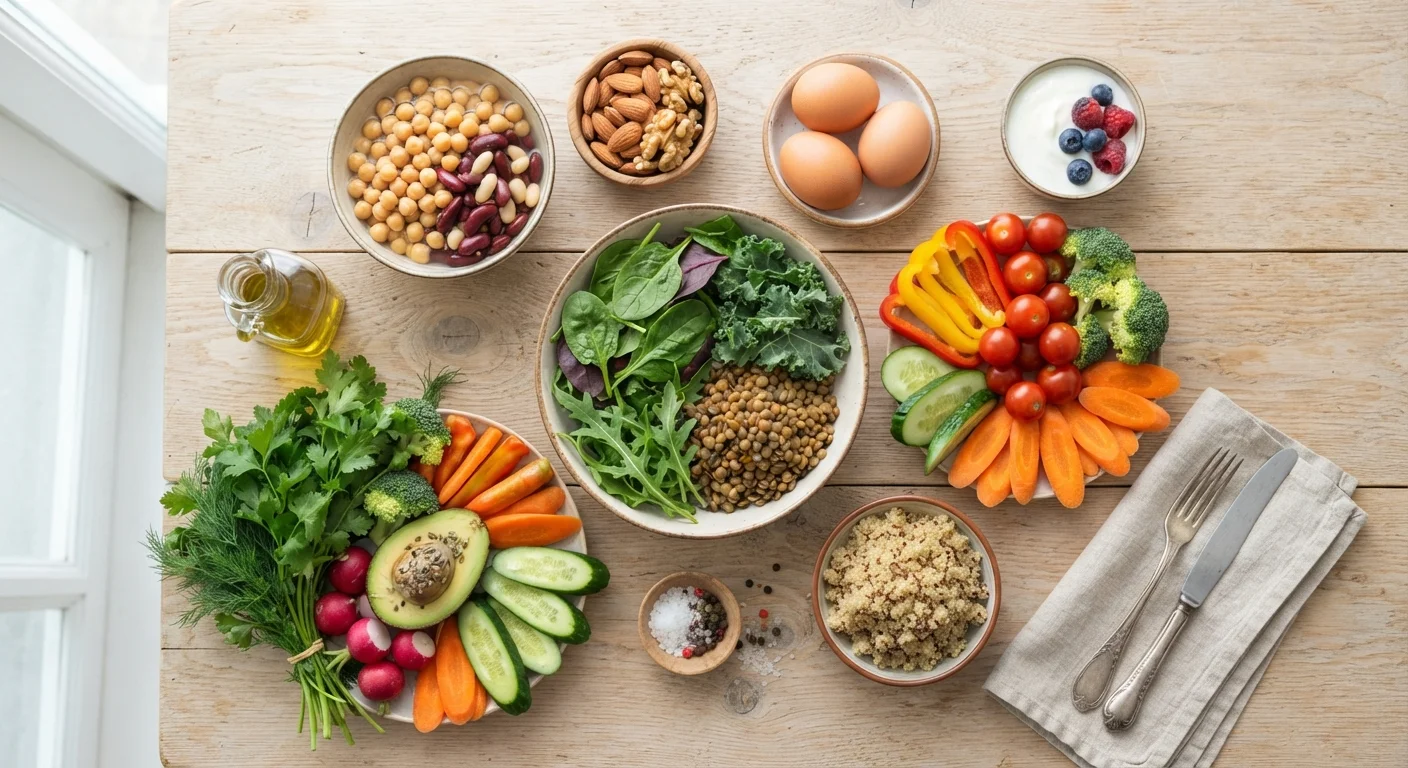
One of the most practical strategies for closing nutrient gaps is eating a wide variety of whole foods across all food groups. A meal that includes vegetables, a protein source, a whole grain, and healthy fat covers more nutritional ground than any single 'superfood.' Our balanced plate guide offers a straightforward framework for doing exactly that.
Putting It Into Practice
Addressing micronutrient gaps doesn't require a complete dietary overhaul or a long list of supplements. In most cases, consistently including a broader range of whole foods - particularly vegetables, legumes, whole grains, nuts, and lean proteins - goes a long way toward covering common shortfalls. Planning grocery trips with nutritional variety in mind is one of the most reliable levers available. The grocery shopping habits that support a more nutritious diet offers a useful starting checklist.
It's also worth noting what micronutrient thinking is not: it isn't license to focus narrowly on a single food or nutrient at the expense of overall dietary quality. Sodium overconsumption, for instance, is an equally significant dietary pattern issue for many Americans - see where dietary sodium actually comes from for context on balancing that concern alongside nutrient adequacy.
Individual nutritional needs vary considerably based on age, sex, health status, medication use, and other factors. If you have concerns about specific deficiencies or are considering significant dietary changes, consult a registered dietitian or your primary care provider for guidance tailored to your situation.
This article is for general informational and educational purposes only and does not constitute medical or nutritional advice. Always consult a qualified healthcare professional before making changes to your diet or starting any supplement.