
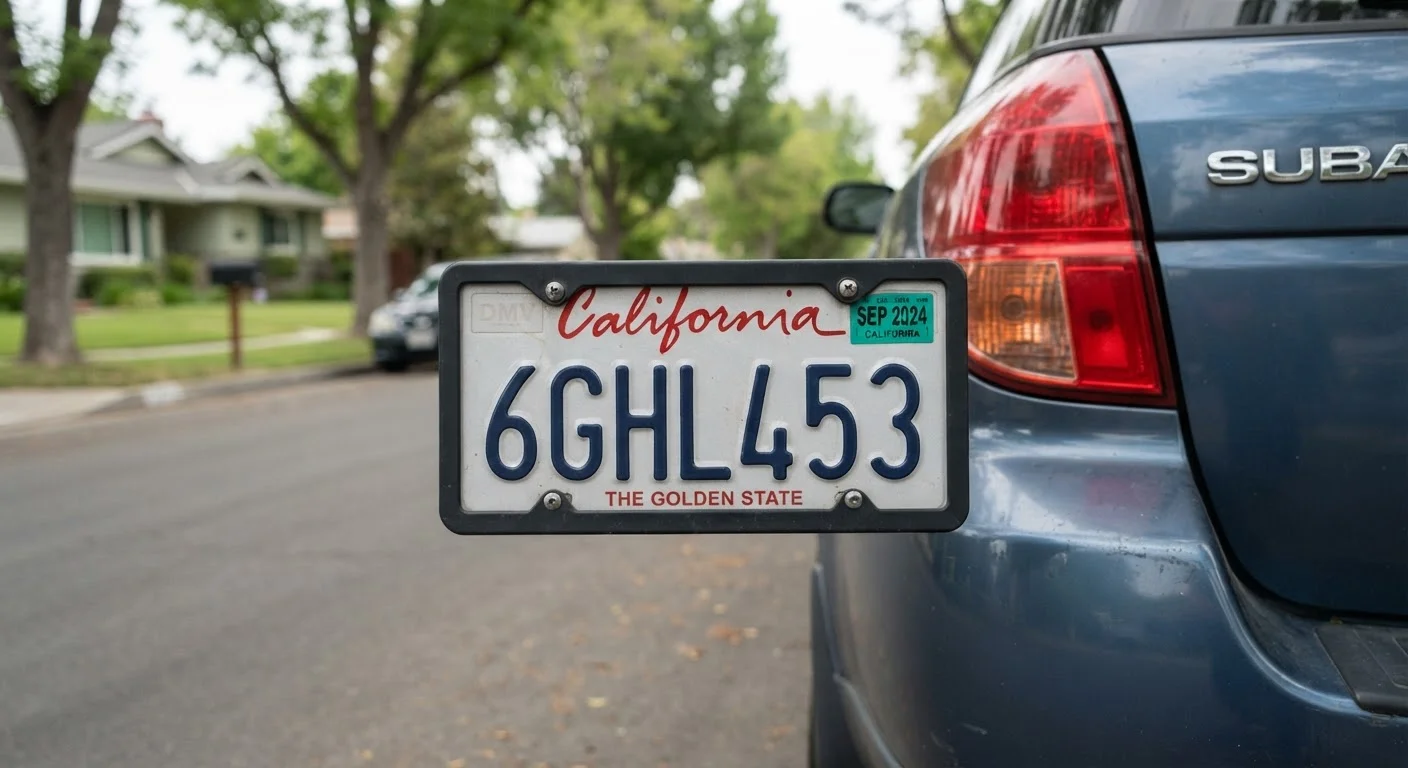
What Registration Actually Is - and Why It's Required
When you drive a vehicle on public roads in the United States, your state government needs to know that vehicle exists, who is responsible for it, and that it meets minimum legal requirements. That's what registration accomplishes. It's essentially the state's official record linking a specific vehicle to a specific owner or operator.
Registration is not the same as a title. Your title establishes legal ownership - it's the document that matters when you buy, sell, or inherit a car. Registration, by contrast, is the ongoing authorization to operate that vehicle on public roads. You can learn more in our companion piece on the difference between a car title and a car registration.
Every state mandates registration, but the administering agency goes by different names - Department of Motor Vehicles (DMV), Bureau of Motor Vehicles (BMV), or similar. The rules, fees, and timelines all vary by state, so the specifics below are general guidance, not a substitute for checking with your state's agency directly.
Registration Varies Significantly by State
Because vehicle registration is administered at the state level, the fees, timelines, renewal intervals, and inspection requirements differ widely across the country. What applies in Florida may not apply in Michigan. Always verify the specific rules with your state's DMV or equivalent agency - their official websites are the most reliable source for current requirements.
What You'll Need to Register a Vehicle
The required documents differ by state, but most registration processes involve a common core of materials:
- Proof of ownership: This is usually the vehicle title if you own the car outright, or a bill of sale if the title is still being processed after a recent purchase.
- Proof of insurance: Nearly every state requires you to demonstrate that the vehicle is insured to at least the state's minimum liability coverage limits before issuing registration.
- Valid ID: A driver's license or state-issued ID is standard.
- Completed application form: Most states offer this through their DMV website or at a local office.
- Payment for fees: Registration fees vary widely - factors include vehicle type, weight, age, and your county or municipality.
Some states also require a passed emissions test, a safety inspection, or both before they'll issue or renew registration. If your vehicle doesn't pass, you'll need to address the issue before the registration can proceed.
Gather Documents Before You Go
Before visiting a DMV office, check your state's website for the exact list of required documents. Arriving with incomplete paperwork often means a second trip. Many states also let you complete registration or renewal entirely online, which can save significant time.
Renewing Your Registration: Timelines and What to Expect
Registration isn't a one-time event - it expires and must be renewed, typically every one or two years depending on the state. Most states mail a renewal notice to the address on file, but it's your responsibility to renew on time regardless of whether a notice arrives.
Renewal can usually be done online, by mail, or in person at a DMV office. You'll need to confirm your insurance is still active, pay the renewal fee, and in some states pass an updated emissions or inspection check. Upon renewal, you'll receive either a new registration certificate, updated license plates, or a sticker to affix to your existing plate - again, this varies by state.
50
States requiring vehicle registration
Vehicle registration is legally mandated in all 50 U.S. states for vehicles operated on public roads.
30-90 days
Typical window to register after moving states
Most states require new residents to register their vehicle within 30 to 90 days of establishing residency, though the exact deadline varies by jurisdiction.
~33 states
States with emissions inspection requirements
According to the EPA, roughly two-thirds of U.S. states operate vehicle emissions inspection programs, which are often tied to registration eligibility.
If you sell a vehicle and move to a different state, you'll need to re-register in your new state of residence, usually within 30 to 90 days of establishing residency. See our broader guide on everything involved in owning a car for context on how registration fits into the full ownership picture.
What Happens If You Miss the Deadline
Driving with an expired registration is a traffic violation in every state. Getting pulled over with lapsed registration typically results in a fine, and some states add late fees on top of the standard renewal cost. The longer the lapse, the higher the penalties can climb.
In more serious cases - particularly when registration has been expired for an extended period - law enforcement may have grounds to impound the vehicle. A registration hold can also result from unpaid tolls, parking fines, or child support obligations in some states, which will block renewal until the underlying issue is resolved.
If you purchased a car recently and are navigating the paperwork for the first time, our article on the full arc of buying a car walks through this stage in detail. And if you're a new owner just getting your bearings, what every new car owner should know before hitting the road covers registration alongside insurance and maintenance basics.
This article provides general informational guidance about vehicle registration in the United States. Requirements, fees, and deadlines vary by state. Always consult your state's motor vehicle agency for the rules that apply to your specific situation.