
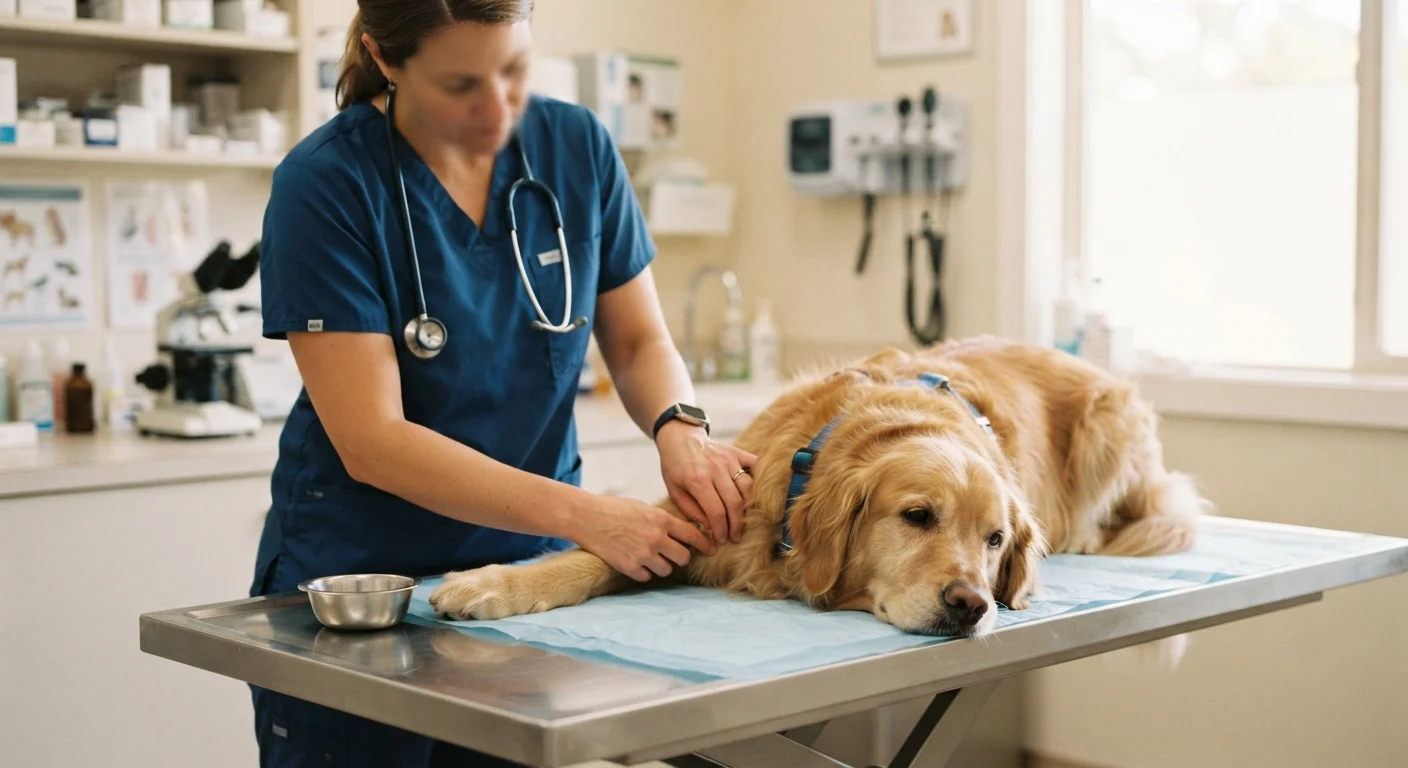
Why Timing Has Become a Central Question
For decades, veterinary guidance in the United States generally recommended spaying or neutering dogs and cats around six months of age — before first heat in females, and before sexual maturity in males. That guidance was grounded in solid reasoning: reducing unwanted litters, lowering the risk of certain cancers, and curbing hormone-driven behaviors.
More recently, a growing body of research — including studies from the UC Davis School of Veterinary Medicine — has examined how the timing of gonadal hormone removal affects long-term health outcomes in dogs. These studies found breed-specific and sex-specific associations between early spay/neuter and elevated risks for certain joint disorders and cancers in some large-breed dogs. The findings have prompted many veterinarians to adopt more individualized recommendations rather than a fixed age threshold.
For a broader look at baseline considerations, see what the research actually says about spaying and neutering.
Terminology: Spay vs. Neuter
Spaying refers to the surgical removal of a female animal's ovaries and usually the uterus (ovariohysterectomy). Neutering — sometimes called castration — refers to the removal of a male animal's testes. Both procedures eliminate the primary source of sex hormones. The term 'neuter' is also sometimes used as a general term for sterilization in either sex. Some newer procedures, such as ovary-sparing spays or vasectomies, retain hormonal function while preventing reproduction; these are less common and should be discussed directly with your veterinarian.
Advantages of Spaying and Neutering
The documented benefits of spay/neuter are substantial and represent the core reason the procedure remains standard veterinary practice across the country.
Eliminates risk of ovarian and uterine cancers
Spaying removes the ovaries and uterus, making these reproductive cancers impossible. This is a clear, permanent benefit with no meaningful counterargument.
Significantly reduces mammary tumor risk in females
Spaying before first heat is associated with a dramatically lower lifetime risk of mammary tumors in dogs and cats, many of which are malignant if they develop.
Prevents pyometra, a potentially fatal uterine infection
Pyometra is a life-threatening condition affecting intact females, often requiring emergency surgery. Spaying eliminates this risk entirely.
Reduces or eliminates certain hormone-driven behaviors
Roaming, mounting, urine marking, and inter-dog aggression can be reduced or prevented — particularly when surgery occurs before behavioral patterns are established.
Contributes to controlling pet overpopulation
Millions of animals enter shelters each year due to unplanned litters. Spay/neuter is one of the most impactful tools available for reducing this burden.
These benefits are especially consistent in cats and in small-to-medium breed dogs, where hormone-timing trade-offs appear less pronounced than in larger breeds.
Trade-Offs and Potential Risks to Consider
No surgical procedure is without risk, and the evolving science has clarified that timing can influence certain health outcomes — particularly in larger dogs.
Early surgery may affect musculoskeletal development in large breeds
Sex hormones influence the closure of growth plates. In some large-breed dogs, early removal of these hormones has been associated with delayed plate closure and higher rates of certain orthopedic conditions.
Some studies link early neuter to higher rates of certain cancers
Research in specific breeds, particularly Golden Retrievers and German Shepherds, found associations between early neuter and increased rates of lymphosarcoma and hemangiosarcoma in males.
Urinary incontinence risk increases in spayed females
Hormone-responsive urinary incontinence is more common in spayed female dogs than intact ones and may require long-term management.
Surgical and anesthetic risks, though generally low
Any general anesthetic procedure carries inherent risk. While complications are uncommon in healthy animals, age, breed, and underlying health can affect surgical outcomes.
Potential for weight gain after surgery
Metabolic rate can decrease following spay/neuter, increasing the likelihood of weight gain if diet and activity levels aren't adjusted accordingly.
These risks are not universal, and their significance varies considerably by species, breed, sex, and individual health status. Responsible ownership choices — including managing your pet's environment — can also influence overall risk exposure for intact animals.
What the Evidence Suggests by Species and Breed
Cats: Research consistently supports early spay/neuter for cats, typically before five months. The population control rationale is especially strong, and the orthopedic concerns documented in large-breed dogs have not been replicated meaningfully in feline studies.
Small and medium breed dogs: Evidence of harm from early neutering is limited in this group. Traditional timing around six months generally remains appropriate, though individual factors still apply.
Large and giant breed dogs: This is where the research has been most provocative. Studies on breeds such as Golden Retrievers, Labrador Retrievers, and German Shepherds have found associations between early gonadal hormone removal and increased rates of hip dysplasia, cranial cruciate ligament tears, and certain cancers. Many veterinarians now discuss waiting until 12–24 months for these breeds, depending on sex and lifestyle.
~4x
Mammary tumor risk reduction with early spaying
Veterinary research has long documented that spaying before first heat substantially reduces the lifetime risk of mammary tumors in female dogs.
Up to 27%
Joint disorder rate in early-neutered large-breed males
A UC Davis study found that male Golden Retrievers neutered before 12 months showed notably higher rates of joint disorders compared to intact males.
Supporting long-term joint and overall health after surgery is an ongoing commitment — everyday home care habits can meaningfully support your pet through every life stage.
Making the Decision With Your Veterinarian
Given the nuance in current research, this decision benefits from a real conversation with your veterinarian — one that accounts for your pet's breed, projected adult size, sex, lifestyle (including whether they spend time outdoors or with intact animals), and any known health predispositions.
Questions worth raising include: What orthopedic or cancer risks are associated with my pet's breed? Would delaying surgery affect behavioral management or unintended litter risk in my household? Are there alternatives, such as hormone-sparing procedures, that my veterinarian considers appropriate?
As your pet ages, the long-term consequences of whichever path you choose will intersect with other health factors. Senior pet care becomes a relevant lens even when decisions are made in puppyhood or kittenhood.
This article provides general educational information about spay/neuter research and is not a substitute for personalized veterinary advice. Consult your veterinarian to determine the most appropriate timing and approach for your individual pet.