
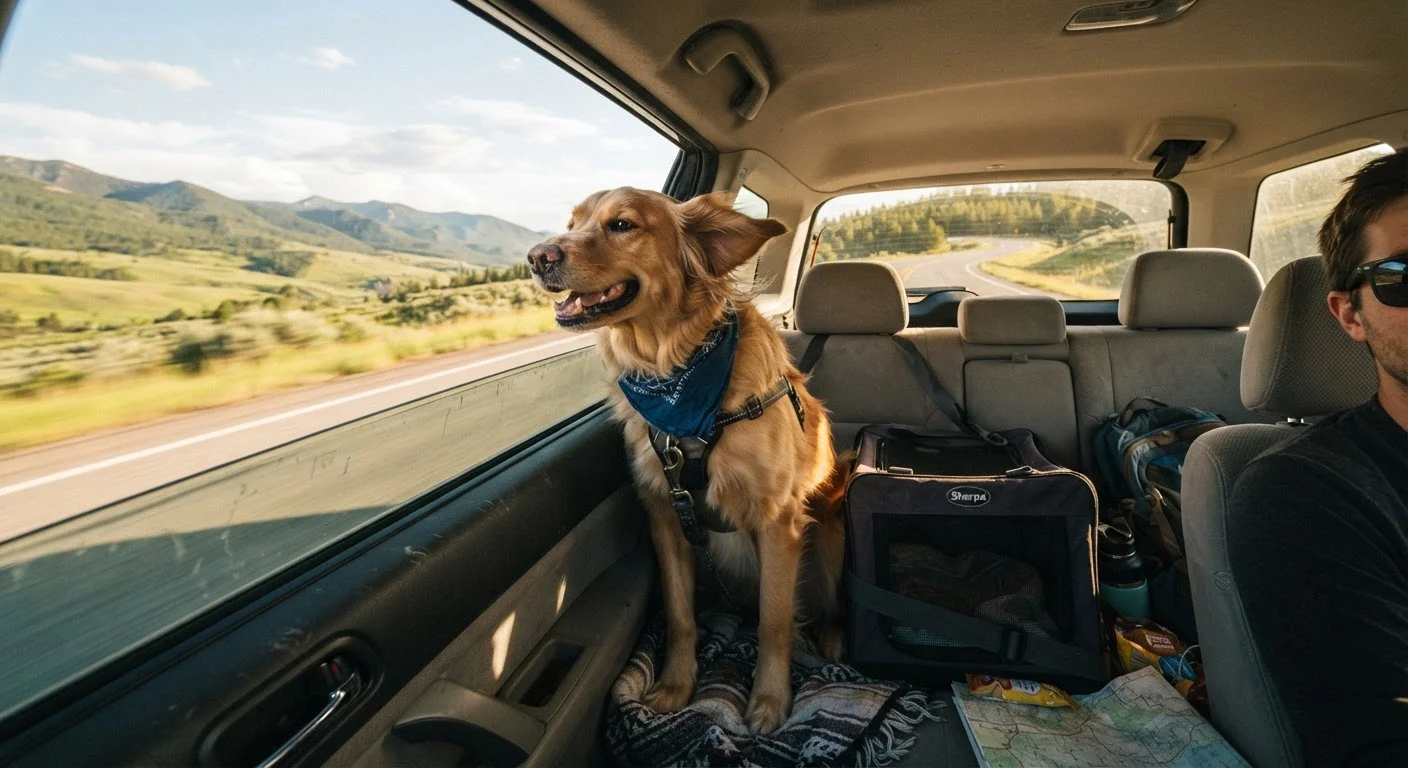
Why Travel Preparation Starts Well Before Departure
Successful pet travel is almost entirely determined by what happens before you leave home. An animal that has never been in a carrier, eaten in a moving vehicle, or slept in a strange place is not equipped to handle those stressors all at once on travel day. The goal of early preparation is gradual exposure — building familiarity so that each new element of the trip feels manageable rather than alarming.
Keeping thorough records is another pillar of stress-free travel. Our annual pet health checklist can help you stay on top of the vaccinations, weight, and behavioral notes that matter most when you're crossing state lines or presenting records to a hotel. For senior pets especially, a clear health picture before any trip is essential — learn more about age-specific considerations in our guide to senior animal care.
Practice Short Trips First
If your pet has little travel experience, begin with brief car rides to low-stress destinations — a park, a quiet parking lot — before attempting a long journey. Graduated exposure helps your animal build a positive association with the car. Pets that already struggle with being left alone may show intensified anxiety during travel; our article on recognizing and addressing separation anxiety offers useful background.
What you will need
What You'll Need and How to Follow the Steps
Gather your supplies and confirm all reservations before walking through the steps below. Having the right equipment — and knowing your pet's current health status — removes the most common sources of last-minute travel chaos. Pets that have been well-prepared for vet visits tend to handle travel better overall, since clinic trips build tolerance for carriers and unfamiliar handling. If your pet currently finds any type of outing distressing, our guide on preparing your pet for vet visits covers desensitization techniques that apply equally well to travel contexts.
Crash-tested pet restraint or carrier
Keeps your pet safely secured during car travel, preventing injury and driver distraction.
Collapsible water bowl
Allows you to offer hydration to your pet during rest stops without carrying bulky gear.
Anxiety wrap or calming garment
Applies gentle, constant pressure that can help reduce stress responses in anxious dogs.
Portable pet first-aid kit
Covers minor injuries, paw abrasions, or upset stomachs that can occur on the road.
Familiar blanket or toy
Provides a comforting, known scent that helps pets feel secure in unfamiliar environments.
Never Leave a Pet in a Parked Car
Even on a mild day, interior car temperatures can reach dangerous levels within minutes. Heatstroke in pets is a life-threatening emergency that develops rapidly. If you cannot take your pet with you when you stop, plan for someone to remain with the vehicle — or choose stops where pets are permitted inside.
Air Travel Rules Vary Significantly by Airline
Each airline sets its own policies on in-cabin pets, cargo transport, breed restrictions, and carrier dimensions. These rules change, and non-compliance can result in your pet being denied boarding. Always check directly with your airline at the time of booking and again shortly before departure. Brachycephalic breeds (flat-faced dogs and cats such as bulldogs and Persians) face heightened health risks during air travel — discuss this with your vet explicitly.
Schedule a pre-travel veterinary appointment
Book a vet visit at least two to three weeks before your trip. Your veterinarian can confirm your pet is healthy enough to travel, update any needed vaccinations, and issue a health certificate if required. For air travel, most airlines require a certificate issued within 10 days of departure — confirm the exact timeframe with your carrier. This visit is also the right moment to discuss whether any anxiety-support options are appropriate for your specific pet.
Choose and condition your carrier or restraint
Select a carrier that allows your pet to stand, turn around, and lie down comfortably. For car trips, a crash-tested harness or secured crate provides significantly more protection than an unsecured carrier on the back seat. Begin introducing the carrier at home one to two weeks before departure — leave it open with a familiar blanket inside so your pet associates it with rest, not confinement. Short, positive sessions in the carrier daily will ease the transition to travel day.
Plan your route and confirm pet-friendly accommodations
Before finalizing your itinerary, verify that every hotel, rental property, or campsite you plan to use actually accepts pets — and confirm any size, breed, or fee restrictions in writing. Map out rest stops every two to three hours for dogs; cats and smaller animals can typically travel longer between breaks but still need water access. Identify the nearest emergency veterinary clinic at your destination before you arrive.
Pack a dedicated pet travel kit
Organize your pet's essentials in a single bag or bin: enough of their regular food for the entire trip plus two extra days, medications clearly labeled, vaccination records and health certificate, waste bags or a travel litter box, a familiar toy or blanket, and a portable water bowl. Switching food during travel frequently causes digestive upset, so resist the temptation to try new treats or foods on the road.
Manage feeding and hydration during travel
Offer a light meal two to three hours before departure rather than right before loading up — a full stomach increases the risk of motion sickness. Keep fresh water available at every stop, and encourage drinking even if your pet seems reluctant. Maintain your pet's normal feeding schedule as closely as possible throughout the trip; routine is one of the most effective tools for reducing stress-related behaviors in both dogs and cats.
Create calm at your destination
When you arrive, set up your pet's familiar items — their bed, blanket, and food bowl — in a quiet area of the space before exploring. Give them time to sniff and investigate at their own pace rather than immediately introducing them to new people or environments. Stick to normal walk and feeding times as much as possible. Pets that already show signs of separation-related distress at home may need extra attention during stays in unfamiliar places.
This article is for general informational purposes only and is not a substitute for professional veterinary advice. Consult your veterinarian before traveling with a pet that has known health conditions, anxiety disorders, or a history of travel-related distress.