
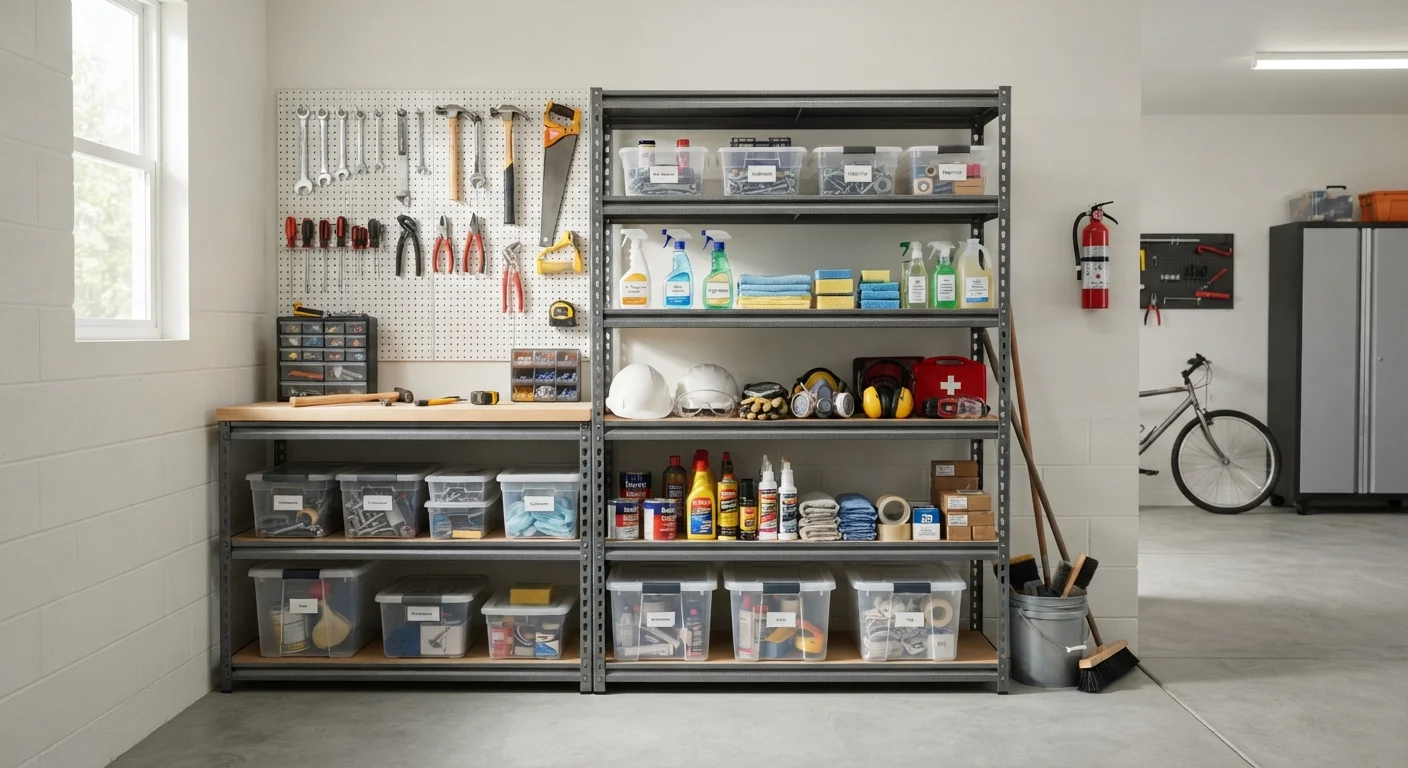
Why Home Maintenance Supplies Matter
Home maintenance is less about grand renovations and more about consistent, small-scale upkeep. A leaky faucet left unattended, a gap in exterior caulking, or a missing smoke alarm battery - these oversights compound into costly repairs or genuine safety hazards over time. Having the right supplies on hand means you can address problems when they arise rather than waiting for a scheduled service call.
This guide isn't about accumulating every tool on the market. It's about understanding what categories of supplies actually serve households, what each item is designed to do, and how to build a practical collection that suits your living situation. Whether you rent or own, the fundamentals are largely the same. For a broader look at equipping your home from the ground up, see this comprehensive first-home setup guide.
~$5,000
Average annual home maintenance cost
The general rule of thumb cited by housing experts is to budget roughly 1% of a home's value per year for maintenance; for a $500,000 home, that's approximately $5,000.
3x
Cost multiplier for deferred repairs
Industry estimates consistently suggest that deferred maintenance leads to repair costs that are several times higher than if the issue had been addressed promptly.
60%
Home fires preventable with working detectors
According to the U.S. Fire Administration, working smoke alarms significantly reduce fire fatality risk - homes without them account for a disproportionate share of fire deaths.
Essential Hand Tools
A functional hand tool set handles the vast majority of household tasks - hanging items, tightening hardware, making minor repairs, and assembling furniture. The following categories cover the core needs of most homes:
- Hammers: A standard 16-oz claw hammer drives nails and pulls them. This is one of the highest-use tools in any household.
- Screwdrivers: Both flathead and Phillips-head in multiple sizes. A magnetic-tip set makes hardware tasks significantly easier.
- Adjustable wrench and pliers: An adjustable wrench handles plumbing nuts and bolts of varying sizes. Needle-nose pliers are useful for detail work and reaching tight spaces.
- Tape measure: A 25-foot retractable tape measure covers furniture placement, curtain hanging, and most measurement tasks.
- Level: A small torpedo level (9-12 inches) ensures shelves, frames, and fixtures hang straight.
- Utility knife: Cuts drywall patches, open packaging, score surfaces, and trim materials cleanly.
- Cordless drill/driver: Arguably the most versatile power tool for home use - drives screws faster and more accurately than manual options.
When buying screwdrivers, prioritize a set that includes multiple shaft lengths in both Phillips and flathead. The right length prevents stripped screws and hand fatigue.
Mismatch between screwdriver and screw head is the leading cause of stripped fasteners, which turns a simple task into a more involved repair.
Label the circuit breaker panel with a printed directory before you need it in an emergency. It takes 20 minutes and pays off every single time you need to cut power to a specific area.
Unlabeled or inaccurately labeled breaker panels lead to power being cut to the wrong circuits, creating additional hazards during repairs or outages.
Store hand tools in a dedicated toolbox or wall-mounted organizer so they're accessible when needed. Scattered tools often get misplaced, leading to duplicate purchases.
Repair Consumables and Adhesives
Consumables are the supplies that get used up in the course of maintenance - and they're often what separates a minor fix from a worsening problem. Key categories include:
- Caulk and caulk gun
- Seals gaps around tubs, showers, windows, and exterior penetrations. Prevents moisture infiltration, which is one of the leading causes of structural damage in homes. Silicone caulk is best for wet areas; paintable latex caulk suits interior trim and baseboards.
- Spackling compound
- Fills nail holes, small wall dents, and surface cracks before painting. Lightweight formulas dry quickly and sand smooth.
- Painter's tape
- Protects surfaces during painting and finishing work. Also useful as a temporary label or masking material.
- Fasteners
- A basic assortment of screws, nails, wall anchors, and picture-hanging hardware handles most mounting tasks. Drywall anchors are essential when you can't hit a stud.
- Multi-purpose adhesive
- Construction adhesive and general-purpose super glue handle a range of bonding jobs - from ceramic repairs to structural trim fixes.
- Duct tape and electrical tape
- Duct tape provides temporary structural holds; electrical tape is for insulating wire connections and electrical repair work.
Buy Consumables in Practical Quantities
Caulk, spackle, and adhesives have shelf lives and can dry out or degrade between uses. Purchase sizes you'll realistically use within 1-2 years rather than buying in bulk. Store opened tubes with caps sealed tightly, and note the purchase date on the container.
Cleaning and Protective Supplies
Preventive cleaning is maintenance. Keeping HVAC filters changed, grout sealed, and surfaces protected from moisture extends the life of your home's systems and finishes significantly.
- HVAC filters: Changed on a schedule recommended by the manufacturer (typically every 1-3 months), they maintain air quality and protect equipment from dust buildup.
- Grout sealer: Applied periodically to tiled surfaces, it prevents staining and moisture penetration in kitchens and bathrooms.
- Wood cleaner and polish: Conditions wooden furniture and floors, reducing cracking and extending finish life.
- Drain strainers and enzyme cleaners: Strainers prevent clogs; enzyme-based drain cleaners break down organic buildup without the corrosive risk of chemical alternatives.
- Microfiber cloths and sponges: Reusable, effective on most surfaces, and far less wasteful than disposable alternatives.
- Rubber gloves and eye protection: Basic personal protective equipment (PPE) for working with cleaning agents, adhesives, or chemicals.
For guidance on keeping storage areas organized so supplies remain accessible and usable, the home storage solutions guide offers a practical framework.
Safety Equipment Every Home Needs
Safety equipment is not optional. These are the supplies that protect lives, not just property.
Smoke and CO Detectors Save Lives
Smoke and carbon monoxide detectors are among the most critical safety items in any home. Carbon monoxide poisoning is responsible for hundreds of accidental deaths in the U.S. each year, and working smoke alarms dramatically reduce the risk of fire fatalities. Check detector functionality monthly, replace batteries at least annually, and replace the entire unit according to manufacturer guidance - typically every 7-10 years.
- Smoke detectors: Required by code in most jurisdictions. Place one on each level and inside every sleeping area. Test monthly; replace units older than 10 years.
- Carbon monoxide (CO) detectors: Essential in any home with gas appliances, a furnace, fireplace, or attached garage. CO is colorless and odorless - detectors provide the only reliable warning.
- Fire extinguisher: A multi-purpose ABC-rated extinguisher handles most household fires. Keep one in the kitchen and know how to use it before you need it.
- First aid kit: Stock bandages, antiseptic wipes, gauze, adhesive tape, tweezers, and basic over-the-counter medications. Refresh expired items annually.
- Flashlights and backup batteries: Power outages make maintenance and emergencies significantly harder without reliable lighting. Rechargeable options reduce long-term cost.
- Non-slip mats and furniture anchors: Reduce fall risk in bathrooms and prevent tip-over hazards from tall furniture, especially in homes with children or older adults.
Review your safety equipment on a fixed schedule - a good habit is doing it when clocks change, twice a year.
Renters and Safety Equipment
Landlords are typically required by law to provide functioning smoke and carbon monoxide detectors, but tenant responsibilities for testing and battery replacement vary by lease and local regulation. Review your lease agreement and local tenant rights guidelines to understand what you're responsible for maintaining.
Building and Budgeting Your Supply Collection
The practical approach to stocking maintenance supplies is incremental. Buy what you need when a task arises, and build toward a complete collection over time rather than purchasing everything at once. Prioritize items with the widest range of uses - a claw hammer, screwdriver set, adjustable wrench, and utility knife address far more situations than specialized tools bought speculatively.
Tracking what you spend on home maintenance supplies as its own budget line helps clarify actual costs and plan ahead. For households new to this, this household budgeting guide and the broader Budgeting Basics hub both offer practical frameworks. The room-by-room essentials checklist is also a useful reference for identifying gaps in your current setup.
Avoid Stockpiling Hazardous Materials
Excess quantities of paint, solvents, and chemical cleaners create fire and health hazards, especially in enclosed spaces like garages or utility closets. Many municipalities have household hazardous waste (HHW) drop-off programs for safe disposal of old or unused materials - check your local government website for locations and schedules.
Finally, store hazardous materials - adhesives, paints, chemical cleaners - in a locked or secured cabinet away from children, in a cool, dry location that meets any label storage requirements. Proper storage also extends the working life of most consumables significantly.
This article provides general home maintenance information for educational purposes only. For electrical, plumbing, or structural repairs beyond basic DIY tasks, consult a licensed contractor or qualified professional.
Room-by-Room Home Essentials Checklist
A practical checklist covering must-have supplies for every room in your home, useful for identifying gaps in your current maintenance and essentials setup.
Household Budgeting: The Complete Guide
Covers every stage of household budgeting, including how to allocate funds for ongoing home maintenance costs without disrupting other financial goals.
Keeping Your Gadgets Running Longer
Practical maintenance routines for household electronics and devices - a useful companion resource for maintaining everything in your home, not just the structure itself.