
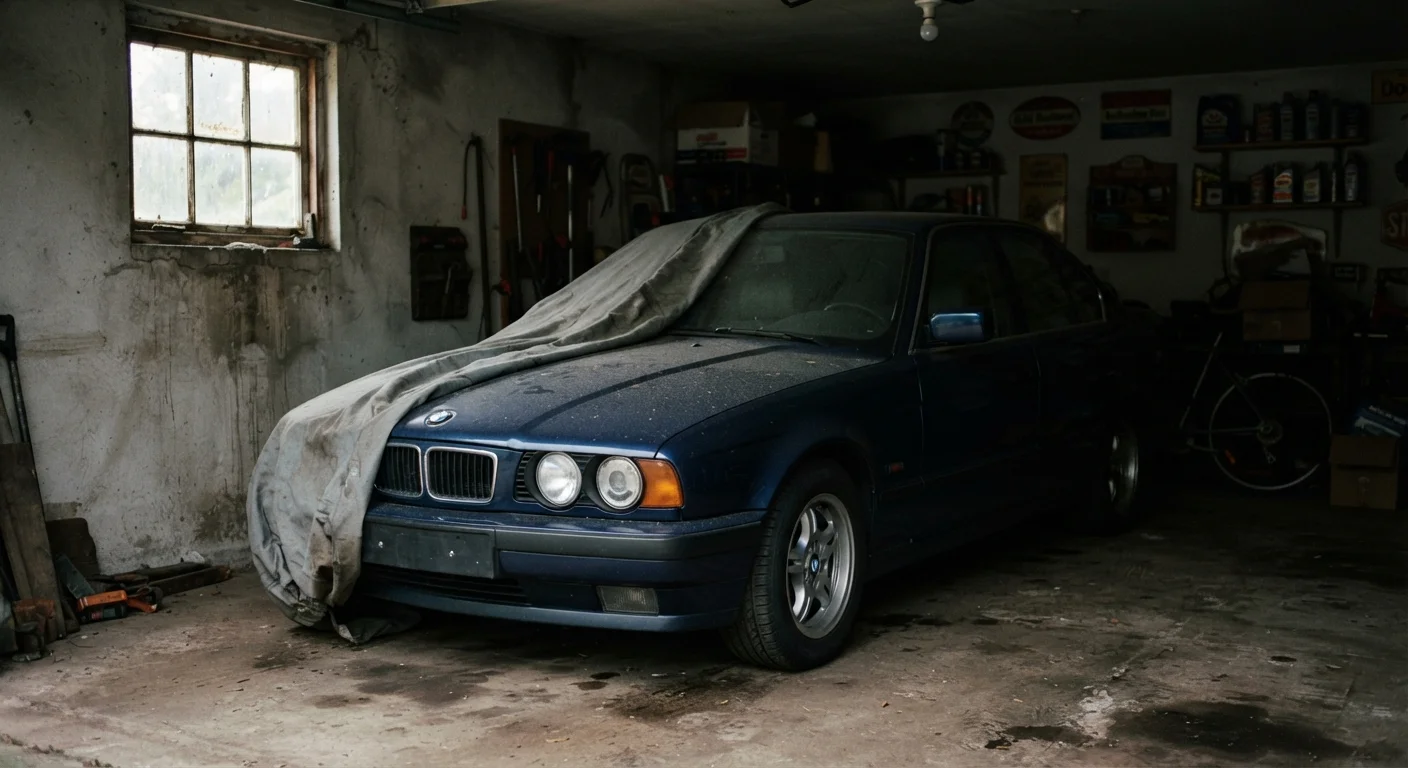
Why Sitting Still Is Hard on a Car
It seems counterintuitive - surely a car that isn't being driven can't be wearing out? In practice, extended non-use puts stress on a vehicle in ways that regular driving actually prevents. Fluids settle and degrade, rubber seals dry out, batteries self-discharge, and tires develop flat spots from supporting static weight. Rodents find their way into warm engine bays. Moisture accumulates in fuel tanks and brake systems.
Whether you're storing a vehicle for a few weeks while traveling, parking a seasonal vehicle over winter, or simply driving far less than usual, the same principles apply: a little deliberate preparation goes a long way. As noted in our guide on why deferred maintenance compounds, small problems left unaddressed reliably become larger, more expensive ones.
Use the checklist below to work through the key areas before you park for an extended stretch - and to guide any check-ins while the car sits.
Before You Park
Battery & Electrical
Tires & Undercarriage
Protecting Against Pests & Environment
Periodic Check-Ins During Storage
What You'll Need
Most storage prep tasks require basic supplies you may already have. A few items are worth picking up specifically for this purpose.
Battery trickle charger / maintainer
Keeps the battery at a healthy charge level during extended non-use without overcharging.
Fuel stabilizer
Prevents fuel from degrading and gumming up the fuel system during storage beyond 30 days.
Breathable car cover
Protects the exterior from dust, light debris, and moisture while allowing air circulation.
Wheel chocks
Secures the vehicle in place when the parking brake should not be engaged during long storage.
Tire pressure gauge
Allows accurate pressure checks during periodic storage inspections.
Jack stands
Support the vehicle off its tires during very long storage to prevent flat spots.
Rodent deterrent (spray or sachets)
Discourages pests from nesting in the engine bay or interior during storage.
Jack Stand Safety Is Non-Negotiable
If you choose to raise your vehicle to relieve tire pressure during storage, use properly rated jack stands - never rely on a hydraulic floor jack alone to support a stationary vehicle. Consult your owner's manual for the correct lift points. If you're unfamiliar with safely lifting a vehicle, have a qualified mechanic perform this step.
Managing Insurance During Extended Storage
One area drivers frequently overlook is auto insurance. If your vehicle will sit completely unused for a month or more, it's worth a direct conversation with your insurer. Depending on your policy and state, options may include adjusting your coverage level to remove liability and collision components while keeping comprehensive coverage - which protects against theft, weather, and fire while the car isn't on the road.
Letting Coverage Lapse Has Consequences
Driving a previously stored vehicle without confirming your coverage is active is a serious legal and financial risk. Before taking the car back on the road, verify with your insurer that your policy is in force and covers the vehicle for normal operation. Requirements vary by state, and driving uninsured can result in fines, license suspension, and personal financial liability.
Never cancel coverage entirely without confirming the implications with a licensed insurance professional first. Gaps in coverage can affect your rates when you reinstate a policy. This article is general information, not personalized insurance advice - coverage options, terms, and regulations vary by provider and state.
For broader context on car ownership decisions, see our piece on common car ownership myths that cost drivers money, which covers several misunderstandings about how cars should be maintained. And if you're keeping up with your car's regular maintenance schedule, storage prep fits naturally into that routine.
This article is for general informational and educational purposes only. It does not constitute mechanical, legal, or insurance advice. Consult a qualified mechanic for vehicle-specific guidance and a licensed insurance agent for coverage decisions.