
Where the Price-Quality Myth Comes From
The idea that a higher price tag equals a better-looking outfit is deeply embedded in American consumer culture. Luxury marketing has spent decades reinforcing the message that premium cost signals premium taste — and it works. But outside of brand perception, the visual reality on your body tells a different story.
Much of what drives the price of a garment has little to do with how it drapes, holds its shape, or photographs. Factors like licensing fees, celebrity endorsements, distribution markups, and the prestige of a label can account for a substantial portion of a garment's retail price — without adding a single stitch of construction quality. When you strip away the branding, the fabric and fit are what your eye actually sees.
Myth
Expensive clothes are made from better materials, so they always look more polished.
Fact
Price doesn't reliably predict fabric quality or construction — branding and marketing often account for a large share of retail cost.
While some high-end garments do use premium fabrics, plenty of mid-range and affordable clothing is made from comparable or even identical materials. Fabric composition is listed on every garment's care label — checking it directly is far more reliable than using price as a proxy. A tightly woven cotton-linen blend at a modest price point can look just as sharp as a similarly constructed garment at ten times the cost.
Myth
If something looks cheap, it must be cheap.
Fact
The visual cues we associate with "cheap" — wrinkles, poor drape, visible pulling — are almost always fit and care issues, not price issues.
A garment that's the wrong size will look off regardless of what it cost. Conversely, a well-fitted, properly pressed affordable piece reads as intentional and put-together. Factors like ironing, steaming, and wearing the right size do more for a garment's visual impression than its original price ever could.
Myth
Designer labels signal taste and quality that anyone can see.
Fact
Most observers cannot identify a garment's brand on sight — they're responding to fit, color coordination, and overall styling.
Studies in consumer psychology have found that people's perception of clothing quality is heavily influenced by how a garment fits the wearer, the color palette of the outfit, and how items are combined — not by logos or brand recognition alone. Unless a label is prominently displayed, the average person isn't reading price signals; they're reading style signals.
Myth
Spending more on clothes means you'll always look better than someone who spends less.
Fact
Someone with a strong understanding of fit, color, and proportion will consistently look more polished than someone who relies on price alone.
Style literacy — knowing your proportions, what silhouettes work for your body, and how to build a cohesive wardrobe — is the real differentiator. These skills are learnable and free. An expensive wardrobe assembled without this knowledge can still look disjointed, while a thoughtful, affordable wardrobe can look remarkably sharp.
What Actually Makes an Outfit Look Good
Style professionals consistently point to three fundamentals that determine how an outfit reads: fit, fabric, and finish. These are the details your eye registers before it ever reads a label. A well-fitted blazer from a discount retailer will almost always read as more polished than an expensive one that gaps at the shoulders or pulls across the back. As our editorial team explores in depth, fit, fabric, and finish are the three levers that define how clothes look on you.
Here's what to evaluate regardless of price:
- Fit: Does the shoulder seam sit at your shoulder? Does the waist nip in without pulling? Fit is the single most important visual variable, and it can be adjusted. Even basic tailoring can transform how any garment reads — and often costs far less than buying up in price point.
- Fabric: Natural fibers and tighter weaves tend to drape more cleanly and resist wrinkling. These qualities exist across price ranges if you know what to feel and look for.
- Finish: Check seam alignment, hem evenness, and how buttons or closures sit. Clean finishing signals care in construction — and it's visible in affordable garments just as it is in expensive ones.
~40–60%
Of a luxury garment's price attributed to branding and marketing
Industry analysts and fashion economists have noted that marketing, distribution, and brand equity commonly account for a substantial portion of luxury retail pricing, separate from material or construction cost.
#1
Factor consumers cite for outfit perception: fit
Consumer research in apparel consistently identifies proper fit as the leading visual factor people use to judge whether an outfit looks polished or put-together.
Once you start evaluating clothes by these criteria, you'll find that the price tag becomes a much less reliable guide. Many of fashion's so-called rules — including the one that cost equals quality — are worth questioning.
Smart Shopping Without the Premium Price Tag
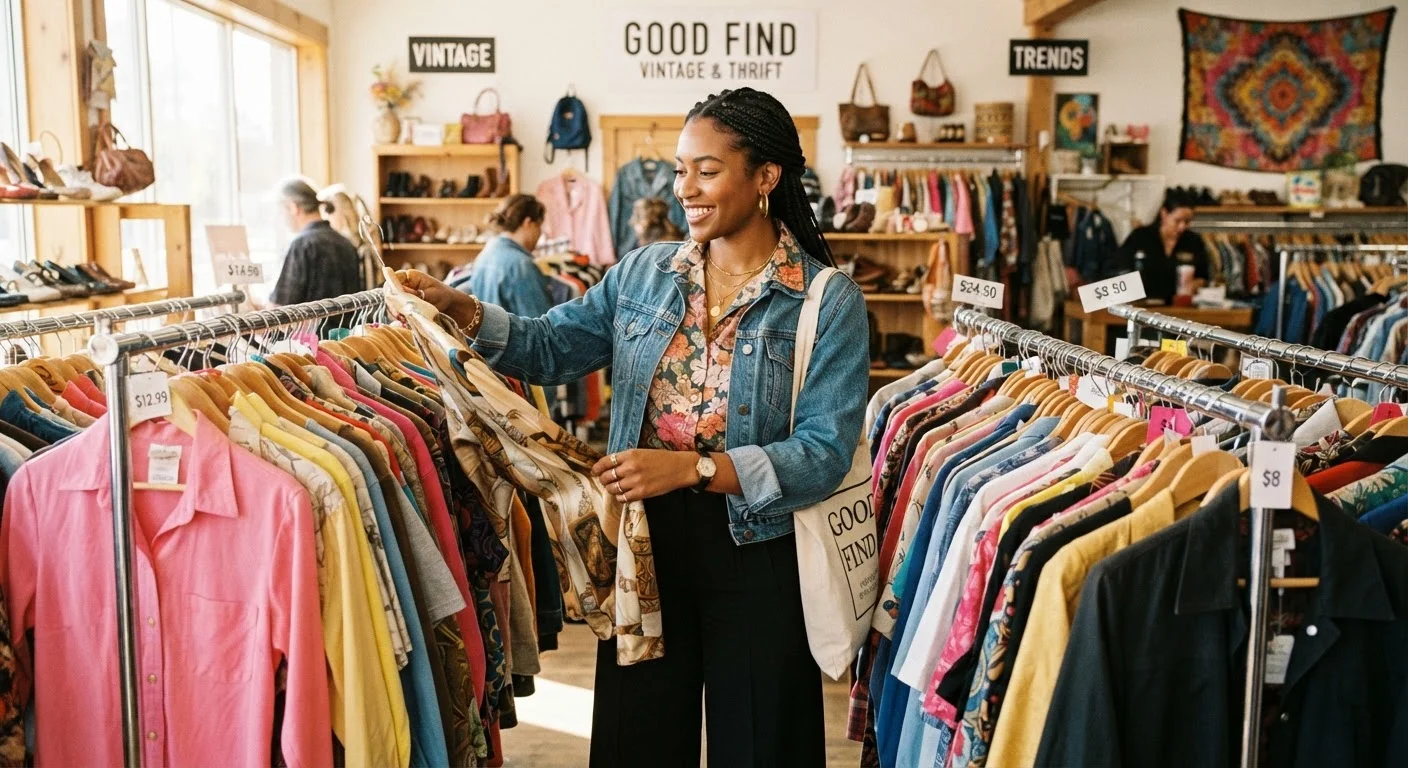
Knowing that price isn't the deciding factor opens up your entire wardrobe strategy. Secondhand shopping, in particular, offers access to well-constructed garments at a fraction of their original retail price. If you're weighing your options, our comparison of thrift shopping vs. fast fashion for everyday American wardrobes breaks down the real trade-offs in cost, durability, and time.
Ultimately, value in clothing — just like in any purchase — is personal. What "value" really means when you're deciding what to buy depends on longevity, how often you'll wear something, and whether it actually works for your life. An expensive piece you wear twice is a worse investment than an affordable one you reach for every week.
Don't Confuse Brand Prestige with Garment Quality
A high price can reflect craftsmanship — but it can just as easily reflect marketing spend, exclusivity positioning, or licensing fees. Before assuming a pricey piece is worth it, check the fabric label, examine the seams, and try it on to assess the fit. Price alone is not a quality guarantee, and treating it as one can lead to expensive wardrobe mistakes.
Dressing well on any budget is genuinely achievable — and it starts with letting go of the myth that the price tag is doing the work for you.