
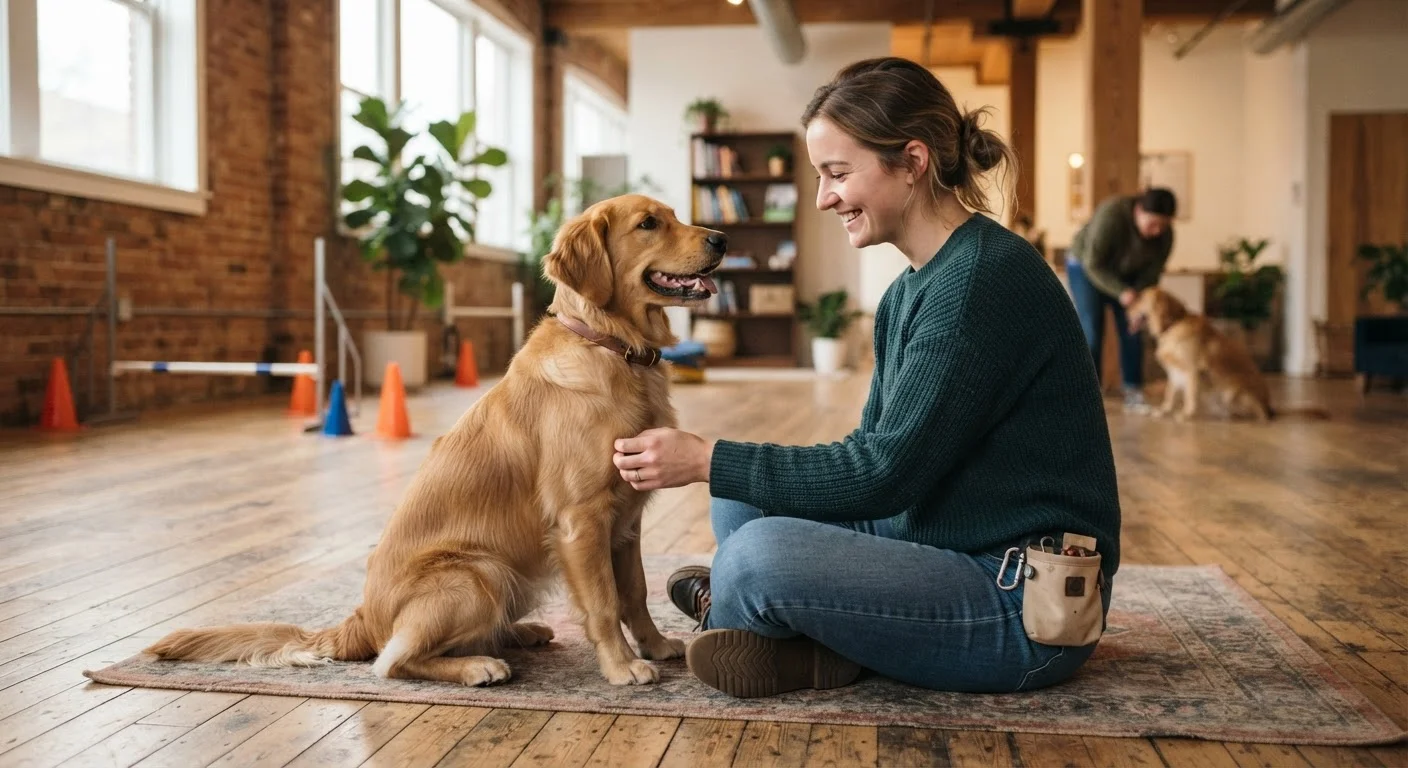
Why Preparation Makes Training Work
Most early training struggles aren't caused by a difficult dog — they're caused by an unprepared owner. Walking into a first session without the right setup is like trying to cook a new recipe without gathering your ingredients first. You'll spend the session searching for things, losing momentum, and frustrating both yourself and your pet.
Good preparation removes friction. When your environment is quiet, your rewards are ready, and you understand what you're aiming for, your pet gets clear, consistent signals — and that's where learning actually happens. This checklist covers everything you should have in place before your first formal training session begins.
If you've recently brought a new dog home, this checklist pairs well with your first week with a new dog guide, which covers routines and boundaries that reinforce what you'll teach here.
Environment Setup
Rewards and Reinforcement
Your Training Plan
Your Readiness
Tools You'll Need Before You Start
You don't need expensive equipment to train effectively, but having the right basics within arm's reach makes a real difference. Fumbling with a treat bag mid-session or stepping over clutter breaks concentration — yours and your dog's.
Treat Pouch
Keeps rewards accessible at your hip so you can deliver them within one to two seconds of the desired behavior.
High-Value Training Treats
Small, soft, aromatic treats your dog genuinely loves provide the motivational fuel that drives learning.
Clicker
Provides a precise, consistent marker sound that tells your dog exactly which behavior earned the reward.
Leash and Flat Collar or Harness
Keeps your dog safely in the training area without physical restraint during early foundation sessions.
Training Log (Notebook or App)
Helps you track which behaviors were practiced, how many repetitions succeeded, and what to adjust next time.
Favorite Toy
Serves as an alternative reward for dogs more motivated by play than by food, and as a session-end celebration.
Avoid Training on an Empty or Full Stomach
A dog that just ate a full meal will have little motivation to work for treats. A dog that's genuinely hungry may be too frantic to focus. Aim to train before a regular meal when your dog is mildly hungry — interested in food but not desperate. Adjust treat portion sizes so the total given during a session doesn't exceed roughly ten percent of their daily caloric intake.
Once your tools are organized and your space is ready, the actual work of training becomes far more straightforward. Think of this as the setup investment that makes every future session run more smoothly.
Common Setup Mistakes to Avoid
Even well-meaning owners make predictable errors before their first session. Being aware of them in advance puts you ahead of the curve.
- Starting in a busy environment. Living rooms with other pets, children, or the TV on are too stimulating for a dog just learning to focus. Begin somewhere quieter.
- Using treats your dog doesn't love. A treat that gets a polite sniff won't motivate much. Test a few options beforehand and use what genuinely excites your pet.
- Training when your dog is overstimulated or exhausted. Right after a walk or a play session, your dog may be too tired to retain new information. Equally, a dog bursting with pent-up energy before any exercise will struggle to settle.
- Setting unclear goals. Trying to teach five behaviors in one session is a recipe for confusion. Decide on one skill per session and stick to it.
Never Use Punishment as a Training Tool
Aversive methods — yelling, leash jerks, or physical corrections — can damage trust and increase fear-based behaviors, making training harder, not easier. Modern, evidence-informed animal training relies on reinforcing desired behaviors rather than punishing unwanted ones. If a behavior isn't improving, change your approach or consult a certified professional trainer before escalating pressure.
Preparation isn't a one-time task. Before each session — not just the first — do a quick mental run-through: space ready, treats portioned, goal identified, phone put away. This habit compounds over time into faster, more reliable results.