
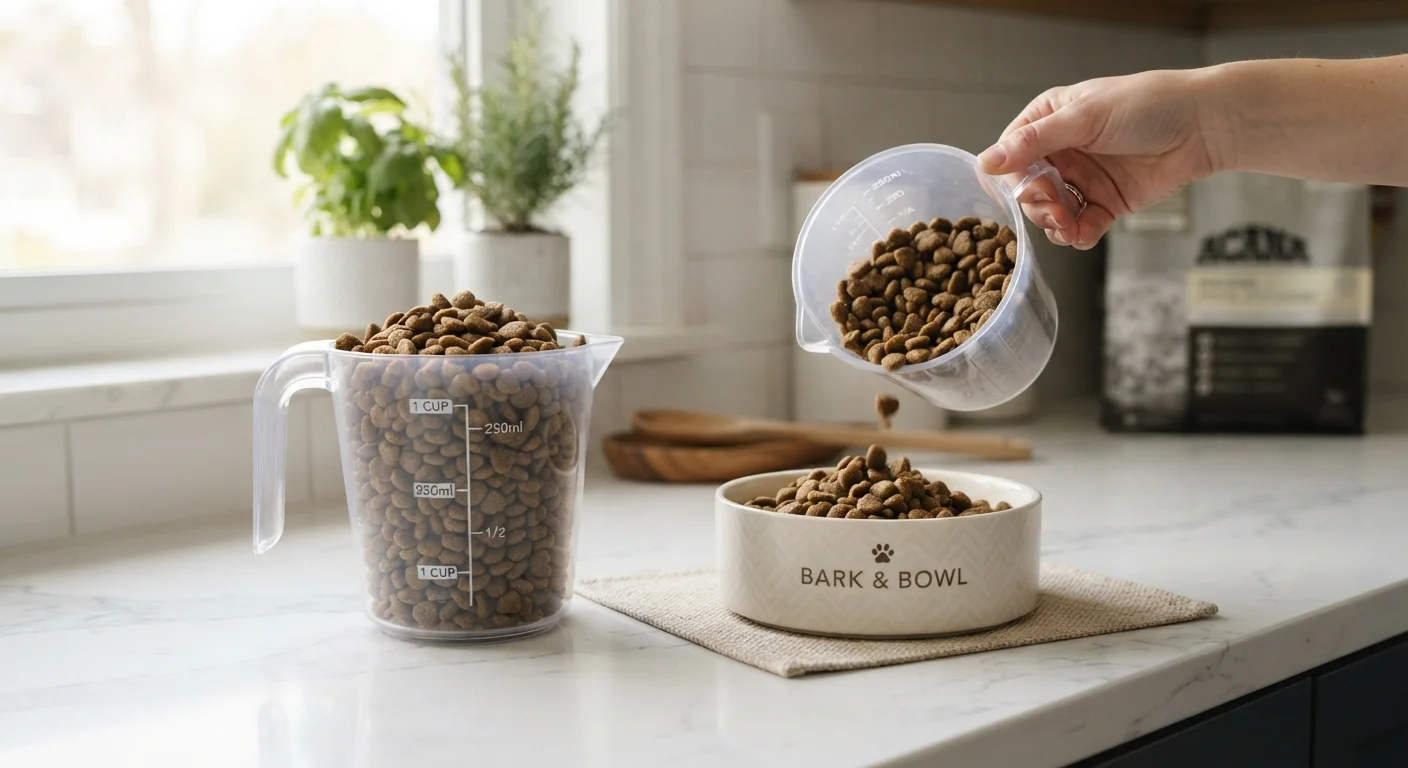
The Hidden Cost of 'Just a Little Extra'
Most pet owners who overfeed aren't being careless — they're being generous. The problem is that companion animals are remarkably good at acting hungry even when they've had plenty. A few extra kibbles per meal, compounded over months, quietly adds up to real weight gain and real health consequences.
Overweight pets face measurably higher risks of joint deterioration, type 2 diabetes, respiratory difficulty, and certain cancers. They also tend to have shorter lifespans. The good news: portion control is one of the most actionable things an owner can manage at home. Understanding where the common errors occur is the first step.
Obesity Is a Medical Condition
Veterinary organizations estimate that a significant proportion of dogs and cats in the United States are overweight or obese. Excess body weight is linked to arthritis, diabetes, heart disease, and shortened lifespan. If your pet is carrying extra weight, speak with your veterinarian about a structured weight-management plan rather than making drastic food cuts on your own.
Mistakes That Lead to Chronic Overfeeding
The errors below aren't rare — they show up in households across every breed, age group, and pet type. Recognizing them is far easier than correcting long-term weight problems.
Treating the feeding guide on the bag as a fixed rule for every pet.
Why it happens: Packaging guidelines are calculated for the average unspayed or unneutered adult pet at moderate activity — a profile that doesn't match most household animals.
Estimating portions by eye rather than using a measuring tool.
Why it happens: Scooping with a coffee mug, solo cup, or even a slightly different-sized measuring cup can add 20–50% more food than intended without anyone noticing.
Forgetting to count treats, toppers, and table scraps as part of daily calories.
Why it happens: Treats feel separate from "real" meals, so owners mentally exclude them — but they can easily account for 10–30% of a small pet's daily calorie intake.
Keeping portion sizes static as a pet ages.
Why it happens: Once a feeding routine is established, it tends to stay that way out of habit — even as a pet's metabolism slows and activity levels drop.
Relying solely on scale weight without assessing body condition.
Why it happens: A number on a scale feels objective, but two pets of identical weight can have very different body compositions — one lean and muscular, one soft and overfat.
To get a fuller picture of what your pet's food actually contains — calorie density, protein ratios, and more — reading a pet food label carefully is a skill worth developing alongside portioning.
How to Calibrate Portions Over Your Pet's Lifetime
A puppy or kitten needs calorie-dense meals to support rapid growth. A spayed adult cat with indoor-only access needs far fewer calories than the same cat did at eight months old. And a dog entering their senior years may need adjustments for both reduced activity and changing nutrient priorities.
~59%
U.S. dogs estimated overweight or obese
According to Association for Pet Obesity Prevention survey data, more than half of American dogs are carrying excess body weight.
~61%
U.S. cats estimated overweight or obese
The same Association for Pet Obesity Prevention surveys indicate cats face an even higher prevalence of excess weight than dogs.
Up to 2 years
Potential lifespan reduction from obesity
Veterinary research has associated sustained obesity in dogs with a meaningful reduction in life expectancy compared to lean counterparts.
The most reliable habit is a scheduled portion review — at minimum once a year, and ideally at each life transition. Track your pet's weight and body condition consistently. An annual pet health checklist can help you notice gradual changes that are easy to miss when you see your animal every day.
If you ever notice shifts in appetite, energy, or coat quality alongside weight changes, don't wait for the annual visit — those can be early signals worth discussing with your veterinarian promptly. Signs your pet is thriving offers a practical baseline for what to watch.
This article is for general informational purposes only and is not a substitute for personalized veterinary advice. Always consult a licensed veterinarian before making changes to your pet's diet or addressing weight concerns.