
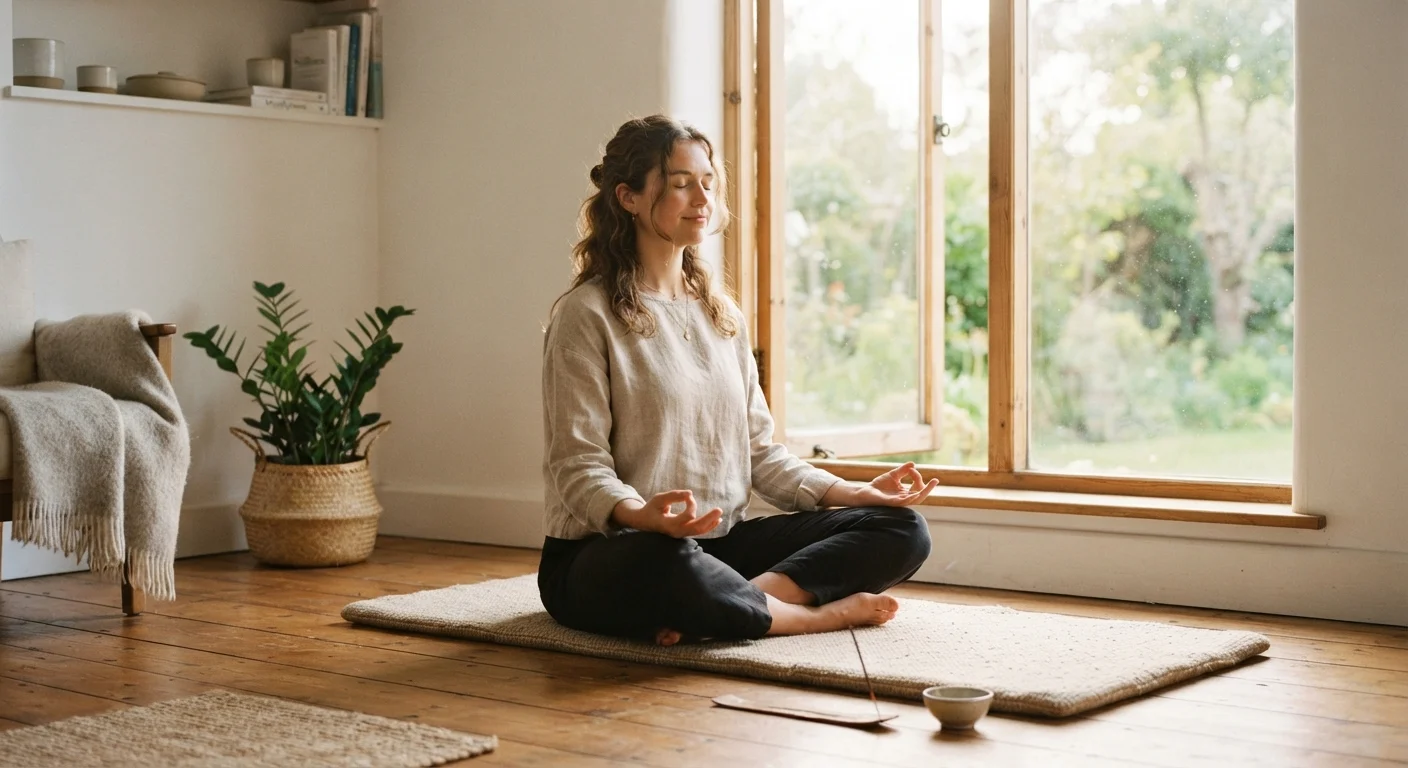
Understanding the Core Difference
The words mindfulness and meditation are frequently used as synonyms, but they describe two distinct things. Mindfulness is a quality of awareness - the intentional, non-judgmental attention to what is happening in the present moment. Meditation, by contrast, is a practice - a deliberate, structured activity you perform for a defined period with a specific method.
Think of mindfulness as a skill, and meditation as one of the primary tools for developing that skill. You can be mindful while washing dishes, listening to a colleague, or walking to your car. You cannot, however, be "meditating" during those moments in the formal sense; meditation typically involves setting aside time, adopting a particular posture, and following a technique such as focused breathing, body scanning, or loving-kindness visualization.
Understanding this distinction matters because it shapes how - and when - you apply each practice in your daily life. For broader context on mental wellness vocabulary, see our guide on common mental health terms and what they actually mean.
| Criterion | Mindfulness | Meditation |
|---|---|---|
| What it is | A quality of present-moment awareness | A structured, time-bound practice |
| When it occurs | Anytime, during any activity | During a dedicated session |
| Requires set-aside time | No | Yes |
| Technique involved | Awareness and non-judgment | Specific method (breath, mantra, scan, etc.) |
| Styles available | Informal or formal | Many (mindfulness, TM, loving-kindness, etc.) |
| Primary goal | Present-moment attentiveness | Train attention, emotion, or awareness |
| Ease of starting | High - no instruction needed | Moderate - guidance helps |
| Evidence base | Strong for stress and well-being | Strong, especially for MBSR and MBCT |
How Each Practice Works in Practice
Mindfulness, as a quality, can be cultivated informally throughout the day. Researchers often describe it as involving two core components: sustained attention to present-moment experience, and an attitude of openness and non-judgment toward whatever arises. You don't need an app, a cushion, or a quiet room - though all of those can help.
Meditation, on the other hand, encompasses a broad range of formal techniques that vary by tradition and goal:
- Mindfulness meditation - sitting quietly and observing breath, body sensations, or thoughts without attachment
- Focused-attention meditation - directing concentration to a single object, sound, or sensation
- Loving-kindness meditation (metta) - silently extending goodwill toward oneself and others
- Body scan meditation - systematically moving awareness through different parts of the body
- Transcendental Meditation (TM) - using a silent mantra; this is a trademarked practice with specific instructor-led training
Each technique develops slightly different mental capacities, which is why practitioners may combine them depending on their goals. Not all meditation styles are mindfulness-based - some focus on visualization, mantra, or movement - which is an important nuance often lost in popular discussions.
8 weeks
Duration of the MBSR program
Mindfulness-Based Stress Reduction, developed at UMass Medical School, is one of the most studied structured mindfulness interventions available.
~43%
US adults who have tried meditation
A 2017 National Health Interview Survey found a significant rise in meditation practice among American adults compared to prior years.
44%
Reduction in depression relapse risk
A meta-analysis published in JAMA Internal Medicine found MBCT was associated with meaningfully reduced relapse rates among those with recurrent depression.
What the Evidence Says
Both practices have been studied extensively, though research quality varies. The strongest evidence supports Mindfulness-Based Stress Reduction (MBSR) - an eight-week structured program developed at the University of Massachusetts Medical School - and Mindfulness-Based Cognitive Therapy (MBCT), which has demonstrated effectiveness in reducing relapse rates among people with recurrent depression, according to multiple systematic reviews published in peer-reviewed journals.
More broadly, research published in journals such as JAMA Internal Medicine and Psychological Medicine suggests that regular mindfulness meditation can be associated with reductions in self-reported anxiety, depression, and pain. However, researchers note that effect sizes vary, study designs differ, and mindfulness practices are not a substitute for clinical treatment when one is needed.
It is also worth noting that meditation is not risk-free for everyone. Some individuals - particularly those with trauma histories or certain mental health conditions - may find intensive meditation practice destabilizing. If you have an existing mental health condition, consulting a qualified healthcare professional before beginning a new practice is advisable. For an overview of when professional support is the right step, see therapy, counseling, and psychiatry: understanding the differences.
Mindfulness and Meditation Are Complementary, Not Competing
Many people find that a regular meditation practice deepens the quality of mindfulness they can access during everyday moments, while informal mindfulness habits make sitting meditation feel more natural. Rather than choosing one over the other, consider them a mutually reinforcing pair. Starting with just a few minutes of breath-focused meditation per day is a manageable, evidence-supported entry point for most adults.
This article is for general informational and educational purposes only and is not a substitute for professional medical or mental health advice. Always consult a qualified healthcare provider with questions about your health or before beginning any new wellness practice.