
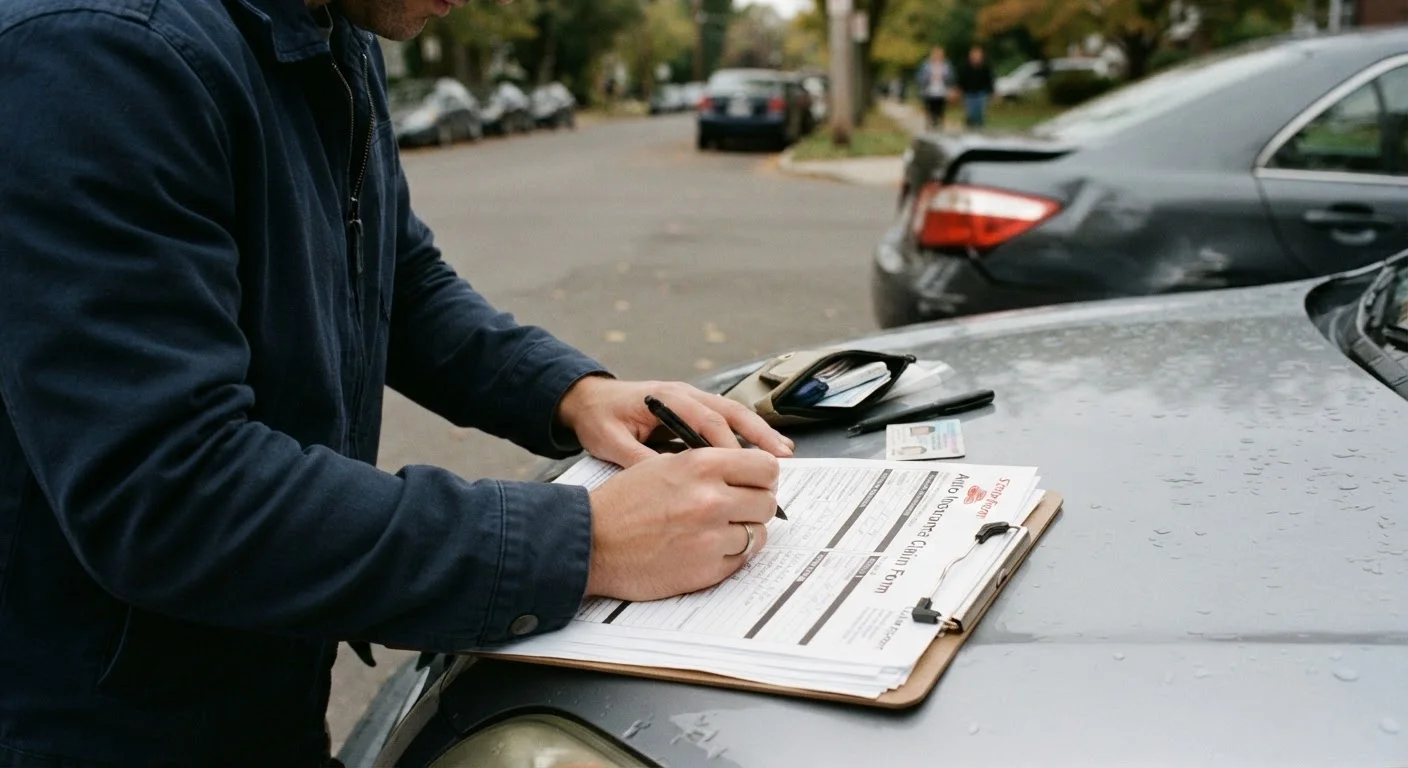
What to Expect When You File a Claim
Filing an auto insurance claim is rarely something drivers practice in advance - which is exactly why the process feels overwhelming when it actually happens. Understanding the general flow before an incident occurs puts you in a much stronger position. At its core, a claim is your formal request for your insurer to fulfill the coverage you've been paying for.
The process typically moves through three phases: reporting (notifying your insurer and providing initial documentation), investigation (an adjuster reviews the damage and evidence), and resolution (repairs are authorized and payment is settled). Timelines vary based on claim complexity, but straightforward single-vehicle claims are often resolved within a few weeks.
It helps to review what coverage you actually carry before you find yourself in this situation. If you're not sure what your policy includes, Auto Insurance Decoded is a solid starting point. And for anything related to car ownership basics - from registration to maintenance - our hub covers the essentials in one place.
What you will need
Step-by-Step: Filing Your Claim
Follow these steps from the scene of the incident through to final resolution. Whether you're dealing with a collision, a weather event, or a theft, the core process is similar - gather evidence, report promptly, and stay organized throughout.
Smartphone or Camera
Capture photos and video of vehicle damage, the scene, road conditions, and any signage.
Insurance ID Card
Provides your policy number and insurer contact details needed to file a claim.
Pen and Notepad (or Notes App)
Record names, badge numbers, contact info, and details exchanged at the scene.
Insurer's Mobile App
Many insurers allow you to start a claim, upload photos, and track status directly from an app.
Ensure Safety and Call 911 if Needed
Before anything else, check whether anyone is injured. If there are injuries, call 911 immediately. Even in minor collisions, a police report creates an official record that can be valuable during the claims process. Move vehicles out of traffic only if it is safe to do so - and if your state law permits it - then turn on hazard lights.
Document the Scene Thoroughly
Take photos and video of all vehicles involved, capturing every angle - damage close-ups, license plates, street signs, traffic signals, skid marks, and road conditions. Photograph any visible injuries (yours, if applicable) and the positions of vehicles before they are moved. The more evidence you gather now, the stronger your claim record will be.
Exchange Information With Other Parties
Collect the following from every other driver involved:
- Full name and contact number
- Driver's license number
- License plate number
- Insurance company name and policy number
- Vehicle make, model, and year
Also collect contact information from any witnesses. Do not share more than your basic insurance and contact details in return.
Notify Your Insurance Company
Contact your insurer as soon as it is safe to do so - ideally the same day. You can call the claims line, use an app, or file online depending on what your insurer offers. Provide the facts of what happened clearly and accurately. You'll be assigned a claim number; write it down and reference it in all future communications.
Work With the Claims Adjuster
Your insurer will assign a claims adjuster - either an employee or an independent contractor - to evaluate the damage. They may inspect your vehicle in person, review photos you submitted, or both. The adjuster determines repair costs and assesses liability based on the evidence. You are entitled to ask the adjuster questions and request a written explanation of their findings.
Arrange Repairs and Understand Your Deductible
Once the claim is approved, repairs can move forward. Your insurer may have a network of preferred repair shops, though in many states you have the right to choose your own. Your deductible - the amount you agreed to pay out of pocket when you bought your policy - will be subtracted from the claim payout. For example, if repairs cost $3,000 and your deductible is $500, your insurer covers $2,500. Unfamiliar with deductibles? The Auto Insurance Glossary defines this and other key terms in plain English.
Follow Up and Keep Records
Track every interaction: save emails, log call dates and the names of representatives you spoke with, and retain all repair invoices and receipts. If your claim involves a dispute - over fault percentage, repair costs, or coverage denial - having a detailed paper trail gives you a basis for a formal appeal. If you believe a denial was improper, ask your insurer for the denial reason in writing, and consider consulting a licensed public adjuster or attorney.
Never Admit Fault at the Scene
Even if you believe you caused the accident, do not apologize or accept liability at the scene. Fault is a legal and insurance determination made after a full review of evidence. Statements made in the moment can be used against you during the claims process and may affect your coverage outcome.
Late Reporting Can Jeopardize Your Claim
Most auto insurance policies include a clause requiring you to report accidents within a reasonable timeframe - sometimes as short as 24 to 72 hours. Waiting too long can give your insurer grounds to deny or reduce your claim. When in doubt, call sooner rather than later.
Know Your Policy Before You Need It
Reviewing your declarations page ahead of time means you won't be reading fine print while stressed after an accident. Our guide to reading your declarations page walks through every section so you know exactly what you have - and what to expect when a claim is filed.
Avoiding common missteps - like underreporting damage or missing deadlines - makes a real difference in outcomes. Our article on where drivers go wrong with auto insurance covers the most frequent errors and how to sidestep them.
This article is for general informational purposes only and does not constitute insurance, legal, or financial advice. Coverage terms, claim procedures, and policyholder rights vary by insurer and by state. Always consult your actual policy documents and speak with a licensed insurance professional for guidance specific to your situation.